Get your free personalized podcast brief
We scan new podcasts and send you the top 5 insights daily.
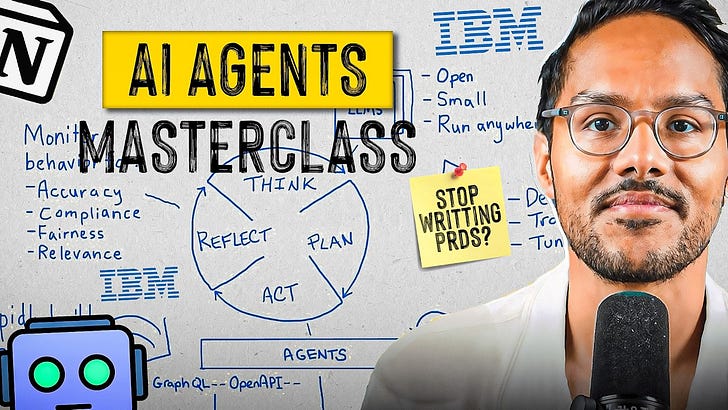
While many see AI for increasing content volume, Riley Brown argues its real power is enabling deeper research for each piece. He believes the sustainable competitive moat is creating higher-quality, well-researched content over a long period, which AI facilitates, rather than simply batching more soulless content.

Related Insights
While AI tools once gave creators an edge, they now risk producing democratized, undifferentiated output. IBM's AI VP, who grew to 200k followers, now uses AI less. The new edge is spending more time on unique human thinking and using AI only for initial ideation, not final writing.
The true power of AI in marketing is not generating more content, but improving its quality and effectiveness. Marketers should focus on using AI—trained on their own historical performance data—to create content that better persuades consumers and builds the brand, rather than simply adding to the noise.

As AI commoditizes content creation, the most valuable asset is unique, proprietary data that LLMs cannot access. Marketing teams that own the research function can generate this first-party data, creating a defensible moat and establishing true thought leadership.

Using AI to generate generic content creates shallow thought leadership. The truly powerful application is using AI as an analytical engine. Feed it your entire body of work—transcripts, articles, notes—to uncover hidden themes, patterns, and core ideas that you've forgotten or couldn't see yourself.

With a majority of internet content now AI-generated, publishing more of the same is a losing strategy. The competitive advantage lies in creating net-new information through original research, proprietary data, and genuine expert insights. Use AI to distribute this unique content, not just to create it.

In a market flooded with generic, AI-generated content, depth has become the key differentiator. Audiences are tired of surface-level posts and now crave thoughtful, opinionated content. This makes original research and first-party data more valuable than broad distribution.

The true power of AI in content isn't generating text, which creates generic content. Instead, use AI as a research partner to analyze existing narratives, identify saturated topics, and generate unique, counter-intuitive angles. This shifts AI's role from a writer to a strategist, ensuring your content is differentiated from the start.

Generative AI allows any marketer to quickly produce mediocre content. This saturation makes buyers more discerning and creates a significant opportunity for brands that invest in genuinely excellent, insightful content to stand out and build trust. Quality, not quantity, becomes the key differentiator.

The most effective AI content strategists don't just prompt and publish. They use AI for the first 70% of the work, then dedicate their time to the final 30%—editing for distinction, adding unique insights, and feeding improvements back into the AI. This creates a brand-specific content engine that improves over time.
Don't use AI to generate generic thought leadership, which often just regurgitates existing content. The real power is using AI as a 'steroid' for your own ideas. Architect the core content yourself, then use AI to turbocharge research and data integration to make it 10x better.