Get your free personalized podcast brief
We scan new podcasts and send you the top 5 insights daily.
Generative AI allows any marketer to quickly produce mediocre content. This saturation makes buyers more discerning and creates a significant opportunity for brands that invest in genuinely excellent, insightful content to stand out and build trust. Quality, not quantity, becomes the key differentiator.

Related Insights
While AI tools once gave creators an edge, they now risk producing democratized, undifferentiated output. IBM's AI VP, who grew to 200k followers, now uses AI less. The new edge is spending more time on unique human thinking and using AI only for initial ideation, not final writing.
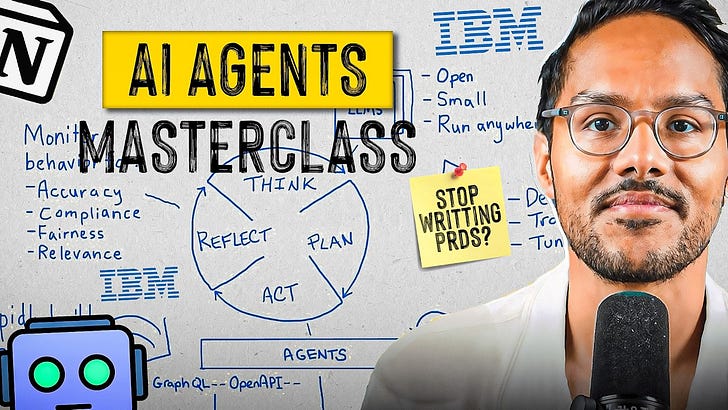
The true power of AI in marketing is not generating more content, but improving its quality and effectiveness. Marketers should focus on using AI—trained on their own historical performance data—to create content that better persuades consumers and builds the brand, rather than simply adding to the noise.

In the age of AI, the new standard for value is the "GPT Test." If a person's public statements, writing, or ideas could have been generated by a large language model, they will fail to stand out. This places an immense premium on true originality, deep insight, and an authentic voice—the very things AI struggles to replicate.

As AI automates content creation, the ultimate differentiator becomes authentic human connection. This means prioritizing "reading the room," sharing personal stories, and even being inefficient to foster genuine relationships. While AI optimizes for output, marketers who optimize for humanity will build more resilient brands.

As AI drives the cost of content creation to zero, the world floods with 'average' material. In this environment, the most valuable and scarce skill becomes 'taste'—the ability to identify, curate, and champion high-quality, commercially viable work. This elevates the role of human curators over pure creators.
![Ari Emanuel - The Anti-AI Bet - [Invest Like the Best, EP.448] thumbnail](https://megaphone.imgix.net/podcasts/c5910280-c4dd-11f0-94be-ab6a7a5865b0/image/1e5a2263eb62fcde200846919e24419a.jpg?ixlib=rails-4.3.1&max-w=3000&max-h=3000&fit=crop&auto=format,compress)
As AI generates endless look-alike content, a brand's ability to create genuine, human-to-human connection is a unique and defensible advantage. This 'vibe' cannot be automated or easily replicated, making it a crucial competitive differentiator in a crowded market.
As AI-generated content creates a sea of sameness, audiences will seek what machines cannot replicate: genuine emotion and deep, personal narrative. This will drive a creator-led shift toward more meaningful, long-form content that offers a real human connection.

As AI devalues simple clicks, marketing focus must shift to building a strong brand that algorithms recognize as authoritative. High-quality, well-structured owned content (like blogs and reports) becomes more critical for discoverability than traditional performance marketing tactics.
As AI floods the internet with generic content, consumers are growing skeptical of corporate voices. This is accelerating a shift in trust from faceless brands to authentic individuals and creators. B2B marketing must adapt by building strategies around these human-led channels, which now often outperform traditional brand-led marketing.

An AI CEO predicts that within two years, AI tools will make content creation instantaneous and nearly free. This will destroy traditional moats like audience loyalty and production quality, as anyone can generate photorealistic content. The market will shift focus from the creator to the individual content piece.
