Get your free personalized podcast brief
We scan new podcasts and send you the top 5 insights daily.
With a majority of internet content now AI-generated, publishing more of the same is a losing strategy. The competitive advantage lies in creating net-new information through original research, proprietary data, and genuine expert insights. Use AI to distribute this unique content, not just to create it.

Related Insights
While AI tools once gave creators an edge, they now risk producing democratized, undifferentiated output. IBM's AI VP, who grew to 200k followers, now uses AI less. The new edge is spending more time on unique human thinking and using AI only for initial ideation, not final writing.
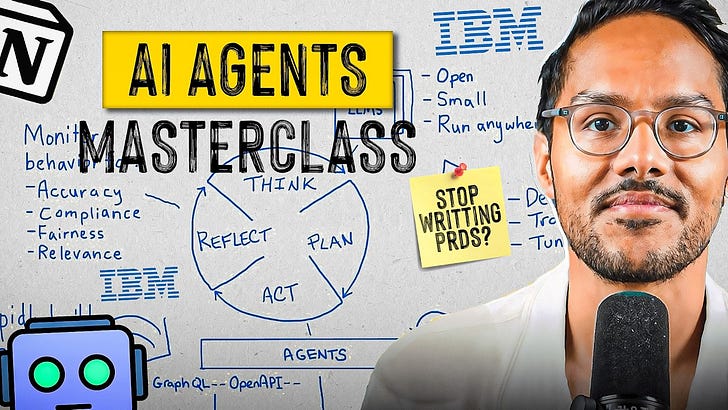
The true power of AI in marketing is not generating more content, but improving its quality and effectiveness. Marketers should focus on using AI—trained on their own historical performance data—to create content that better persuades consumers and builds the brand, rather than simply adding to the noise.

In the age of AI, the new standard for value is the "GPT Test." If a person's public statements, writing, or ideas could have been generated by a large language model, they will fail to stand out. This places an immense premium on true originality, deep insight, and an authentic voice—the very things AI struggles to replicate.

Generative AI has neutralized content volume as a competitive advantage. In fact, inconsistent messaging across many assets can penalize a brand in AI models. This reverses the old SEO playbook, making it critical to focus on fewer, higher-quality pieces with deep expertise and a consistent narrative across all channels.

Since LLMs are commodities, sustainable competitive advantage in AI comes from leveraging proprietary data and unique business processes that competitors cannot replicate. Companies must focus on building AI that understands their specific "secret sauce."

As AI makes building software features trivial, the sustainable competitive advantage shifts to data. A true data moat uses proprietary customer interaction data to train AI models, creating a feedback loop that continuously improves the product faster than competitors.

Generative AI allows any marketer to quickly produce mediocre content. This saturation makes buyers more discerning and creates a significant opportunity for brands that invest in genuinely excellent, insightful content to stand out and build trust. Quality, not quantity, becomes the key differentiator.

When AI can produce limitless content for free, volume ceases to be a competitive advantage. The new differentiator becomes the quality and consistency of a company's unique brand voice and values, making brand governance paramount to content strategy.

Don't use AI to generate generic thought leadership, which often just regurgitates existing content. The real power is using AI as a 'steroid' for your own ideas. Architect the core content yourself, then use AI to turbocharge research and data integration to make it 10x better.
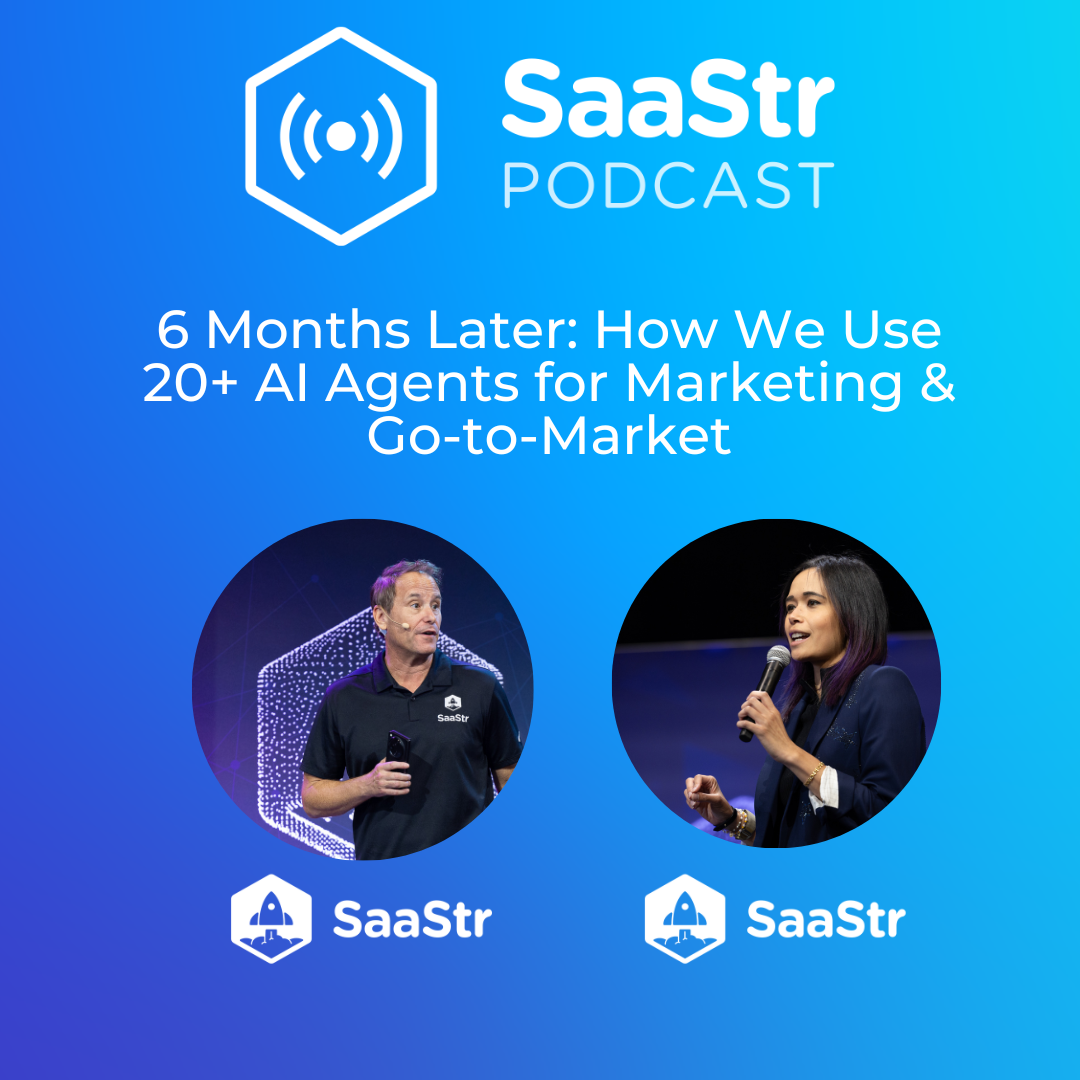
AI cannot replicate your lived experience, personal experiments, or unique perspective. To make your content "AI-proof," lead with your own stories, data, and case studies. Sharing screenshots, income reports, and personal struggles creates content that AI can't remix, making your voice irreplaceable.
