Get your free personalized podcast brief
We scan new podcasts and send you the top 5 insights daily.
A generic disclosure fails to capture the spectrum of AI use, from minor sentence tweaks to full generation. It can cause readers to wrongly assume content is low-quality "AI slop" and not from the author's brain, ultimately damaging credibility more than it provides transparency.

Related Insights
The negative reaction to "AI slop" isn't because the writing is poor. AI often produces above-average content using effective patterns. The problem is that these patterns are now so accessible and widely used that they've become saturated and generic, making the content easy to spot.

Just as documentaries label reenactments to distinguish them from actual footage, publications should label AI-generated articles. Failure to do so misleads the audience about the content's origin and breaks trust.

When automating outreach with Fable, the host found that disclosing the AI's involvement was key. One guest stated he wouldn't have replied otherwise, defining "slop" not as AI-generated content itself, but as AI work deceptively passed off as human. This suggests transparency is the new currency for legitimate AI-assisted communication.

The CEO of Superhuman argues that the threshold for acceptable AI use in writing is situational. AI detection tools should be used not to enforce a universal ban, but to assess if the level of AI generation aligns with the context and the audience's expectations, much like calculator use varies by exam.

Submitting generic, unedited AI-generated text or images is perceived negatively by sophisticated audiences. It signals a lack of effort (lazy), an unawareness of its generic appearance (stupid), or an attempt to mislead (evil). This highlights the new social codes emerging around AI usage.

The "AI-generated" label carries a negative connotation of being cheap, efficient, and lacking human creativity. This perception devalues the final product in the eyes of consumers and creators, disincentivizing platforms from implementing labels that would anger their user base and advertisers.
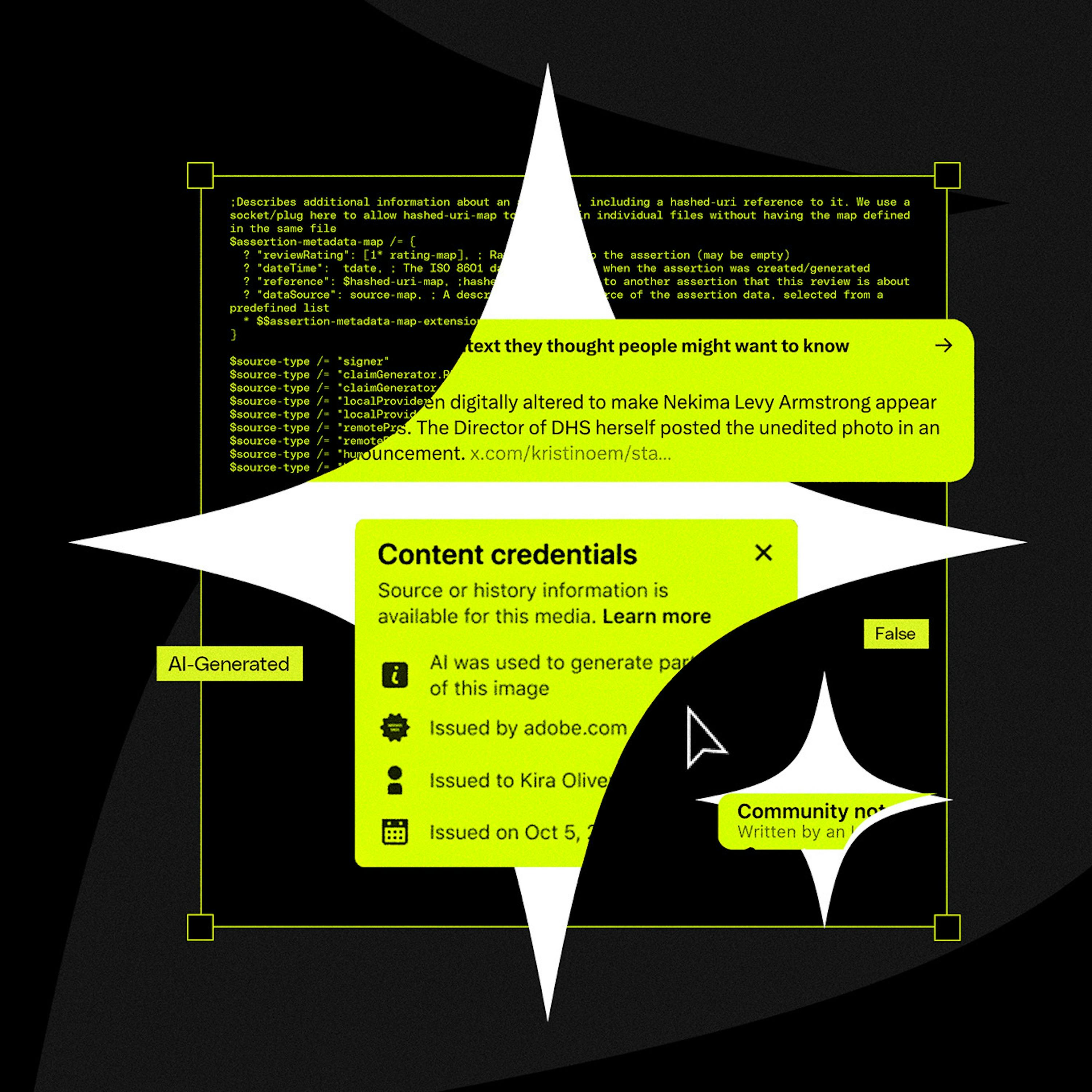
As AI makes content creation ubiquitous, the internet is flooded with shallow, generic "AI slop." Consumers are adept at spotting it, with 59% saying it damages their trust in a brand. This creates a premium for human-crafted, authentic stories.

As AI-generated content becomes ubiquitous, a counter-movement is emerging where creators explicitly state their work is AI-free. This disclosure provides comfort to consumers who have had negative experiences with low-effort AI content. "Human-made" is becoming a valuable differentiator, creating a new premium for authenticity in the creator economy.

In the age of AI, 'slop' is not defined by typos or poor formatting, but by well-structured content that lacks a person's unique insight, critical thinking, and accountability. It's the absence of a real, defensible human author behind the words, a problem reviewers can now easily spot.

A major side effect of mandatory AI watermarking is the potential devaluation of human creativity. When authors use AI for minor tasks like proofreading, their entire work risks being labeled "AI-generated." This could wrongly attribute the core creative effort to the tool, not the person.
