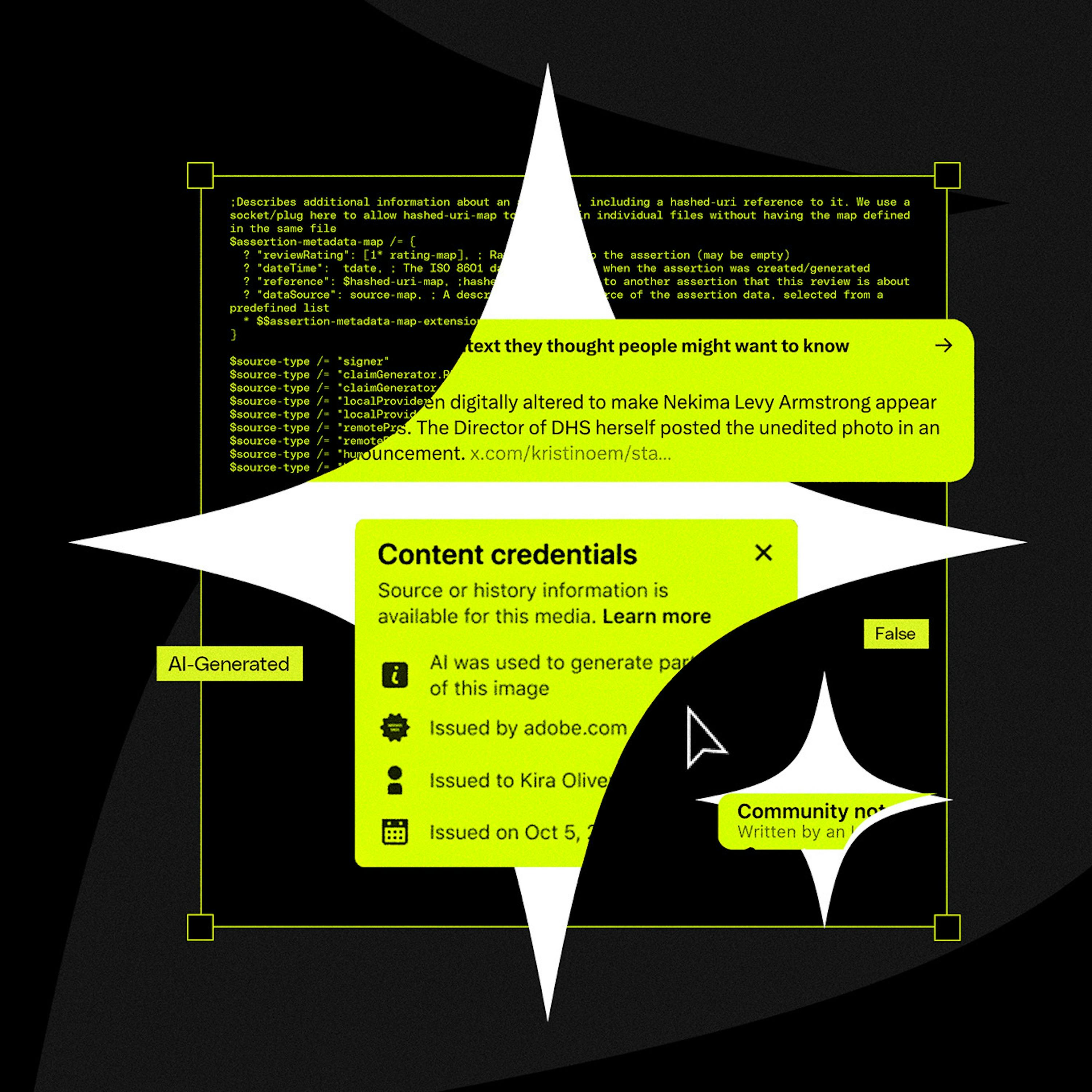
Major tech companies publicly champion their support for the C2PA standard to appear proactive about the deepfake problem. However, this support is often superficial, serving as a "meritless badge" or PR move while they avoid the hard work of robust implementation and ecosystem-wide collaboration.
Companies like Google (YouTube) and Meta (Instagram) face a fundamental conflict: they invest billions in AI while running the platforms that would display AI labels. Aggressively labeling AI content would devalue their own technology investments, creating a powerful incentive to be slow and ineffective on implementation.
The C2PA standard's effectiveness depends on a complete ecosystem of participation, from capture (cameras) to distribution (platforms). The refusal of major players like Apple and X to join creates fatal gaps, rendering the entire system ineffective and preventing a network effect.
A critical failure point for C2PA is that social media platforms themselves can inadvertently strip the crucial metadata during their standard image and video processing pipelines. This technical flaw breaks the chain of provenance before the content is even displayed to users.
Adam Mosseri’s public statement that we can no longer assume photos or videos are real marks a pivotal shift. He suggests moving from a default of trust to a default of skepticism, effectively admitting platforms have lost the war on deepfakes and placing the burden of verification on users.
The "AI-generated" label carries a negative connotation of being cheap, efficient, and lacking human creativity. This perception devalues the final product in the eyes of consumers and creators, disincentivizing platforms from implementing labels that would anger their user base and advertisers.
While camera brands like Sony and Nikon support C2PA on new models, the standard's adoption is crippled by the inability to update firmware on millions of existing professional cameras. This means the vast majority of photos taken will lack provenance data for years, undermining the entire system.
C2PA was designed to track a file's provenance (creation, edits), not specifically to detect AI. This fundamental mismatch in purpose is why it's an ineffective solution for the current deepfake crisis, as it wasn't built to be a simple binary validator of reality.
Attempts to label "AI content" fail because AI is integrated into countless basic editing tools, not just generative ones. It's impossible to draw a clear line for what constitutes an "AI edit," leading to creator frustration and rendering binary labels meaningless and confusing for users.