Get your free personalized podcast brief
We scan new podcasts and send you the top 5 insights daily.
A major side effect of mandatory AI watermarking is the potential devaluation of human creativity. When authors use AI for minor tasks like proofreading, their entire work risks being labeled "AI-generated." This could wrongly attribute the core creative effort to the tool, not the person.

Related Insights
The distinction between AI-assisted and purely human-created content is becoming impossible to draw. Rather than verifying origin, the focus will shift to holding the publisher accountable for the final product's quality and accuracy, regardless of the tools used in its creation.

The legal question of AI authorship has a historical parallel. Just as early photos were deemed copyrightable because of the photographer's judgment in composition and lighting, AI works can be copyrighted if a human provides detailed prompts, makes revisions, and exercises significant creative judgment. The AI is the tool, not the author.

The CEO of Superhuman argues that the threshold for acceptable AI use in writing is situational. AI detection tools should be used not to enforce a universal ban, but to assess if the level of AI generation aligns with the context and the audience's expectations, much like calculator use varies by exam.

Anthropic's move to embed invisible watermarks directly into all AI-generated text to comply with EU regulations has ignited controversy. Developers and users fear this will constrain the model's creativity, degrade output quality for tasks like coding, and set a worrying precedent for content integrity.

Studies show people often prefer AI-generated art based on quality alone, but their preference flips to the human-created version once they know the source. This reveals a deep-seated bias for human effort, posing a significant "Catch-22" for marketers who risk losing audience appreciation if their AI usage is discovered.
The "AI-generated" label carries a negative connotation of being cheap, efficient, and lacking human creativity. This perception devalues the final product in the eyes of consumers and creators, disincentivizing platforms from implementing labels that would anger their user base and advertisers.
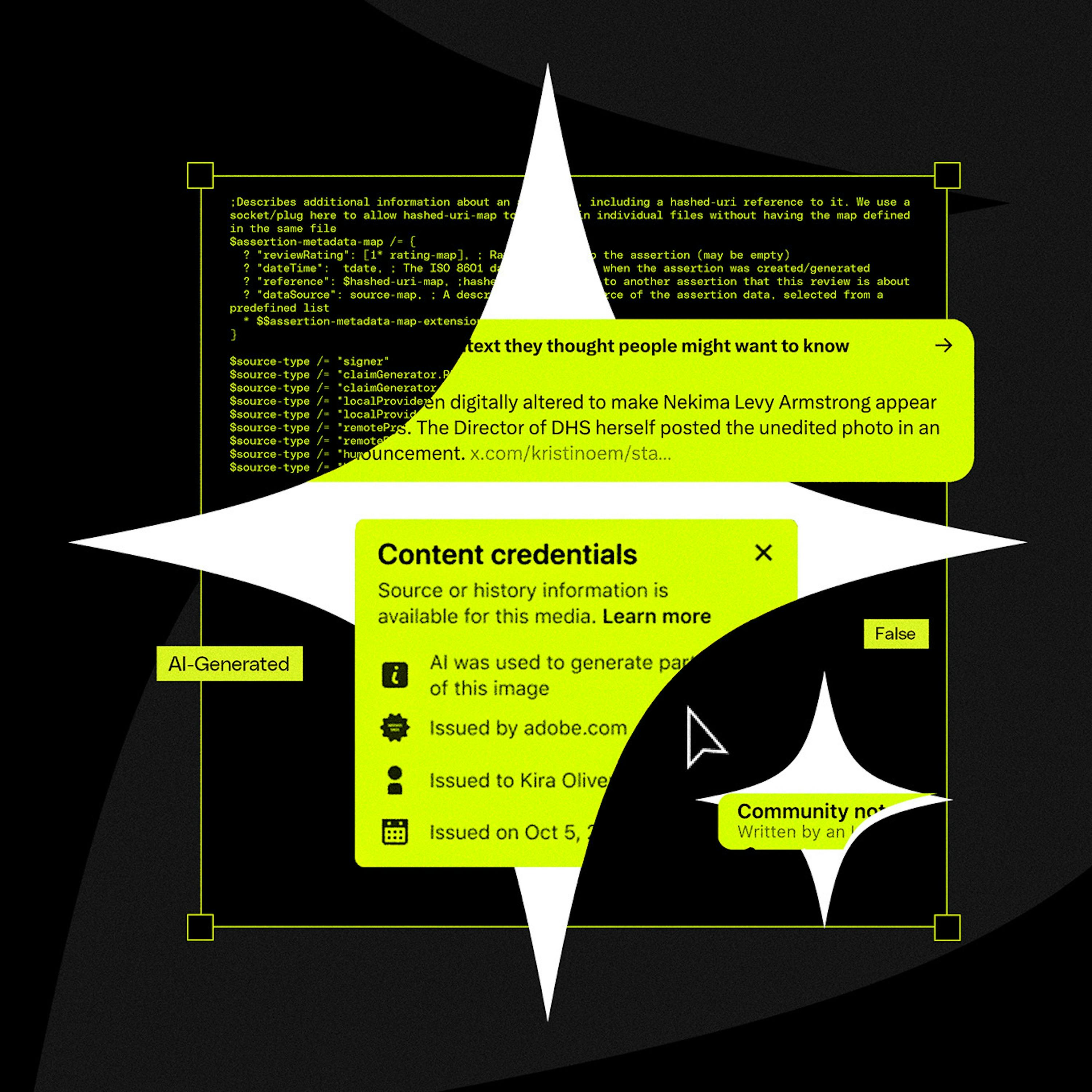
Critics argue that the EU's watermarking rules could unfairly credit AI for work that is merely edited by a model. This could discourage creators from using valuable AI tools, as their entire work might be labeled "AI-generated," diminishing their own contribution and creative ownership.
An AI entrepreneur's viral essay warning about AI's job-destroying capabilities lost some credibility when it was revealed he used AI to help write it. This highlights a central hypocrisy in the AI debate: evangelists and critics alike are leveraging the technology, complicating their own arguments about its ultimate impact.

The act of writing is not just about producing words; it's a rigorous process of structuring thoughts and building knowledge. Offloading this 'hard work' to AI conveniences away the cognitive benefit, turning people from active creators and thinkers into passive observers and editors.

Attempts to label "AI content" fail because AI is integrated into countless basic editing tools, not just generative ones. It's impossible to draw a clear line for what constitutes an "AI edit," leading to creator frustration and rendering binary labels meaningless and confusing for users.