Get your free personalized podcast brief
We scan new podcasts and send you the top 5 insights daily.
Submitting generic, unedited AI-generated text or images is perceived negatively by sophisticated audiences. It signals a lack of effort (lazy), an unawareness of its generic appearance (stupid), or an attempt to mislead (evil). This highlights the new social codes emerging around AI usage.

Related Insights
Using AI to save time on content can backfire if the audience expects authenticity. The value in human-created art, writing, or presentations often lies in the invested energy and personal story, which AI shortcuts can devalue in the customer's eyes.

The primary issue with low-effort AI-generated work is not its poor quality, but how it transfers the cognitive burden of correction and completion to the recipient. This 'masquerades' as finished work but creates interpersonal friction and hidden rework, fundamentally shifting the responsibility for the task's success.

The definition of "AI slop" is evolving from obviously fake images to a flood of perfectly polished, generic, and boring content. As AI makes flattering imagery cheap to produce, authentic, unpolished, and even unflattering content becomes more valuable for creators trying to stand out on platforms like Instagram.

Studies show people often prefer AI-generated art based on quality alone, but their preference flips to the human-created version once they know the source. This reveals a deep-seated bias for human effort, posing a significant "Catch-22" for marketers who risk losing audience appreciation if their AI usage is discovered.

As AI makes creating complex visuals trivial, audiences will become skeptical of content like surrealist photos or polished B-roll. They will increasingly assume it is AI-generated rather than the result of human skill, leading to lower trust and engagement.

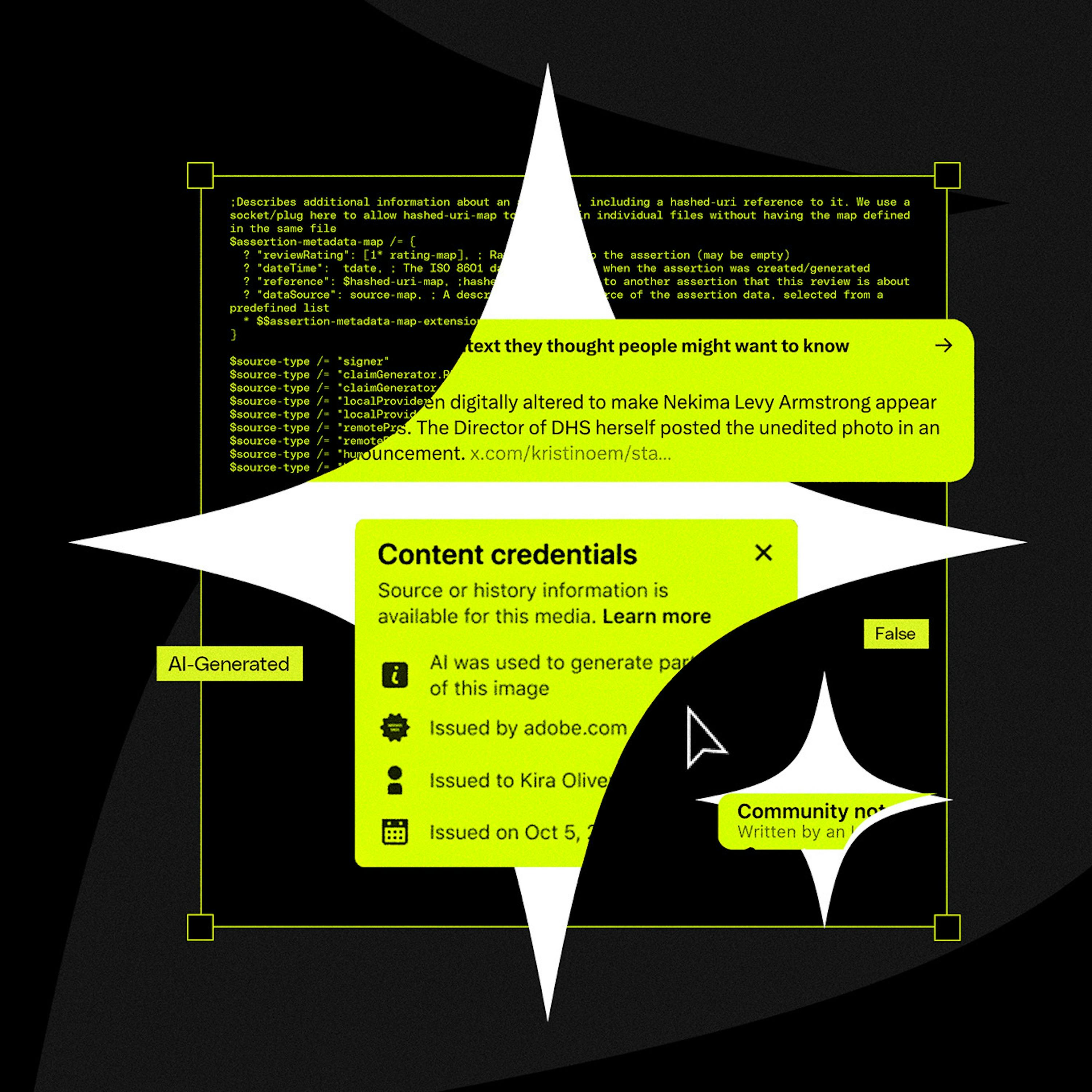
The "AI-generated" label carries a negative connotation of being cheap, efficient, and lacking human creativity. This perception devalues the final product in the eyes of consumers and creators, disincentivizing platforms from implementing labels that would anger their user base and advertisers.
Because AI can generate content in seconds, it is perceived as low-effort. This violates the "labor illusion," where effort signals quality. A study showed that when a poster was labeled "AI-powered" instead of "hand-drawn," purchase intent dropped by 61%. Brands using AI must reframe the narrative around the effort of building the system.

As AI makes content creation ubiquitous, the internet is flooded with shallow, generic "AI slop." Consumers are adept at spotting it, with 59% saying it damages their trust in a brand. This creates a premium for human-crafted, authentic stories.

Research highlights "work slop": AI output that appears polished but lacks human context. This forces coworkers to spend significant time fixing it, effectively offloading cognitive labor and damaging perceptions of the sender's capability and trustworthiness.
The novelty of AI-generated content wears off quickly. As audiences are exposed to more AI outputs (text, images, websites), they rapidly develop a sensitivity to its patterns and templates. What initially seems impressive and polished soon becomes recognizable as low-effort and cheap.
