Get your free personalized podcast brief
We scan new podcasts and send you the top 5 insights daily.
Russia's post-war financial strain and the immense cost of recapitalizing its conventional forces creates a classic setting for the U.S. to pursue arms control agreements that constrain Russia while benefiting the American strategic balance against China.

Related Insights
Russia's offer to re-embrace the dollar is not merely an economic concession but a strategic maneuver. It's designed to appeal to a potential Trump administration by offering a clear win for the U.S., aiming to shift American foreign policy away from its current confrontational posture toward Moscow.

A purely cooperative approach to AI arms control with China is unlikely to work due to their inherent skepticism. A more effective realpolitik strategy may be for the U.S. to advance its AI capabilities so far and fast that China feels compelled to negotiate out of self-interest to avoid being hopelessly behind.

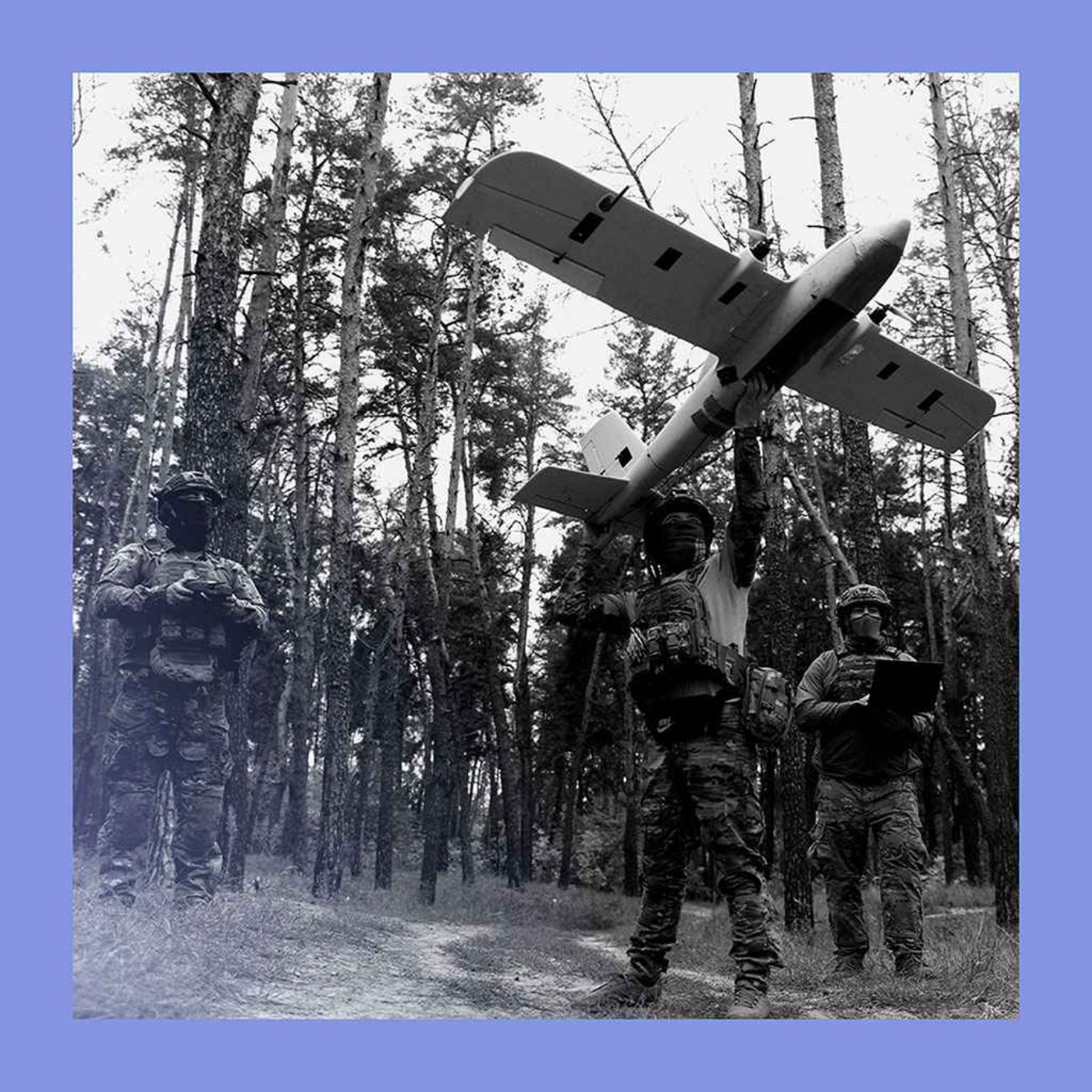
Lacking recent combat experience since 1979, China is seeking high-end military assistance from Russia, specifically drone data and tactical lessons from the Ukraine front line. This transforms its economic and diplomatic support for Russia into a strategic opportunity to modernize its own military understanding.

A swift peace deal in Ukraine might not be the preferred outcome for all its European partners. Some may see a longer conflict as a strategic opportunity to bolster their own military capabilities while Russia is occupied.

China is the biggest winner of the conflict, watching its strategic rival, Russia, "bleed itself away" while remaining bogged down. It also profits financially, as 90% of the components for Ukraine's seven million annual drones are sourced from China, showcasing its critical role in the global supply chain.

Ukraine's most realistic theory of success is not reclaiming all territory militarily, but leveraging its advantages to stabilize the front and inflict unsustainable casualties and economic costs on Russia. This strategy aims to make the war so futile for Moscow that it forces a favorable negotiated settlement.
The invasion has crippled Russia's long-term prospects. It has suffered generational setbacks in economic and demographic development, diminished its global reputation, and triggered a massive military buildup in Europe, worsening its security position.

This strategy involves supplying Ukraine only with defensive systems (like air defense) during peacetime. Offensive capabilities (long-range missiles) would be stockpiled nearby and immediately provided if Russia violates the ceasefire, creating a powerful incentive for compliance.
Unlike China's historical "minimal deterrence" (surviving a first strike to retaliate), the US and Russia operate on "damage limitation"—using nukes to destroy the enemy's arsenal. This logic inherently drives a numbers game, fueling an arms race as each side seeks to counter the other's growing stockpile.

By committing to a multi-year, ~$400 billion funding plan, Europe can turn Ukraine's financial weakness into a strategic advantage. This sustained support would exacerbate Russia's already high financial burden, potentially triggering a banking or inflation crisis and crippling its war machine.