Get your free personalized podcast brief
We scan new podcasts and send you the top 5 insights daily.
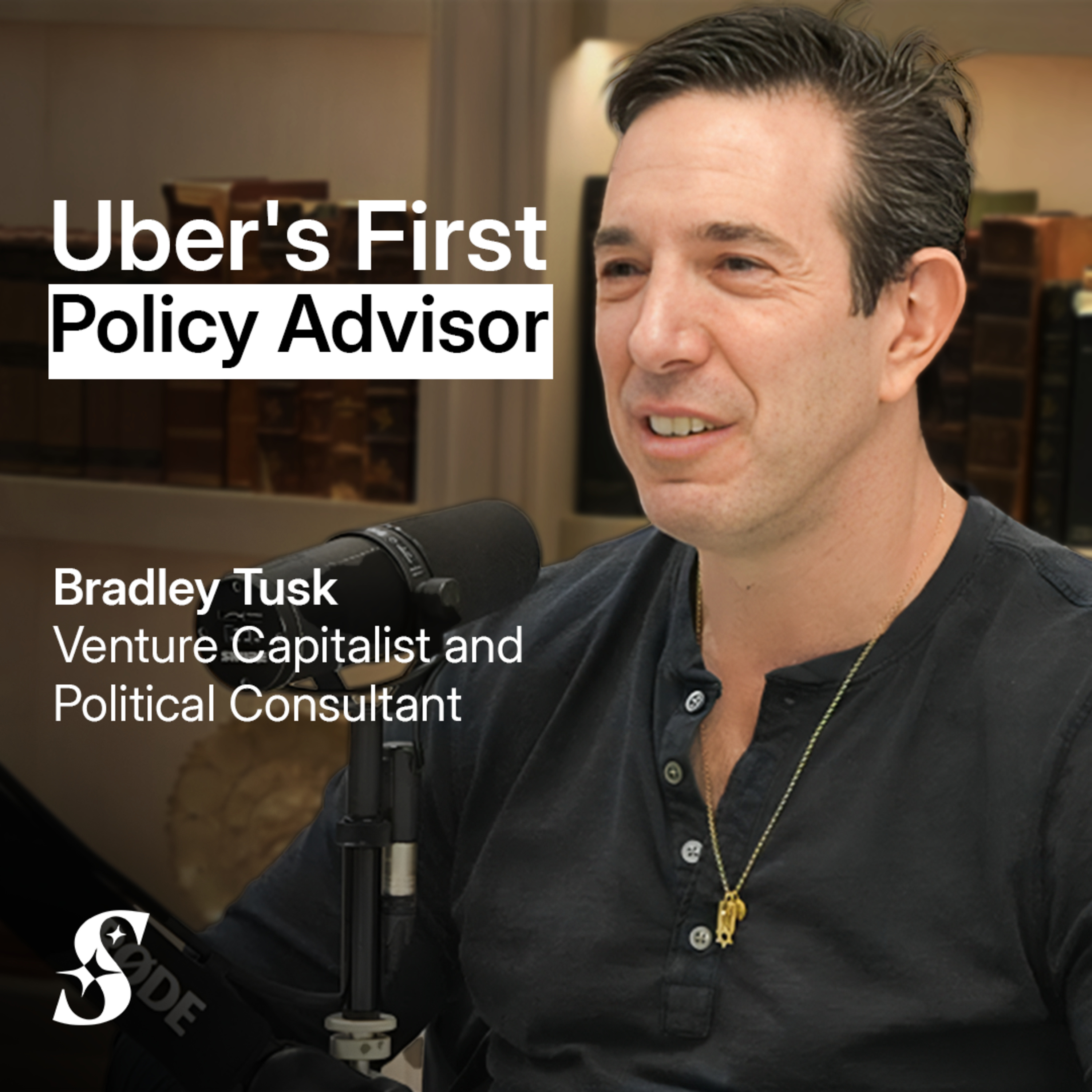
Dubbed "Travis's Law," Uber's core political innovation was turning its passionate customer base into a powerful lobbying force. By building advocacy tools directly into their product, startups can mobilize users to defeat powerful, entrenched incumbents in regulated industries.
Related Insights
In heavily regulated or legally ambiguous industries, a founder's most valuable asset can be political connections. One startup literally used a pitch deck slide showing its co-founder with prominent politicians to signal their ability to influence future legislation in their favor. This represents a stark, real-world "crony capitalism" business strategy.

Facing an aggressive SEC, Coinbase rejected traditional lobbying and instead launched a two-front war: a grassroots campaign mobilizing its 52 million users and a top-down Super PAC with industry allies. This effective playbook is now being copied by AI and other tech sectors.

Prepared realized it couldn't win against GovTech incumbents on their terms of sales relationships and lobbying. Their strategy was to fundamentally shift the competition. By offering a free, easy-to-use product, they forced the purchasing decision to be about technology quality, an arena where they could excel.

The inspiration for Superhuman came from reframing Uber's core value. Its magic wasn't getting from A to B, but the new, productive time it created during a commute. This highlights the need for founders to look beyond a product's function to discover its deeper, more fundamental human benefit, which is often time.

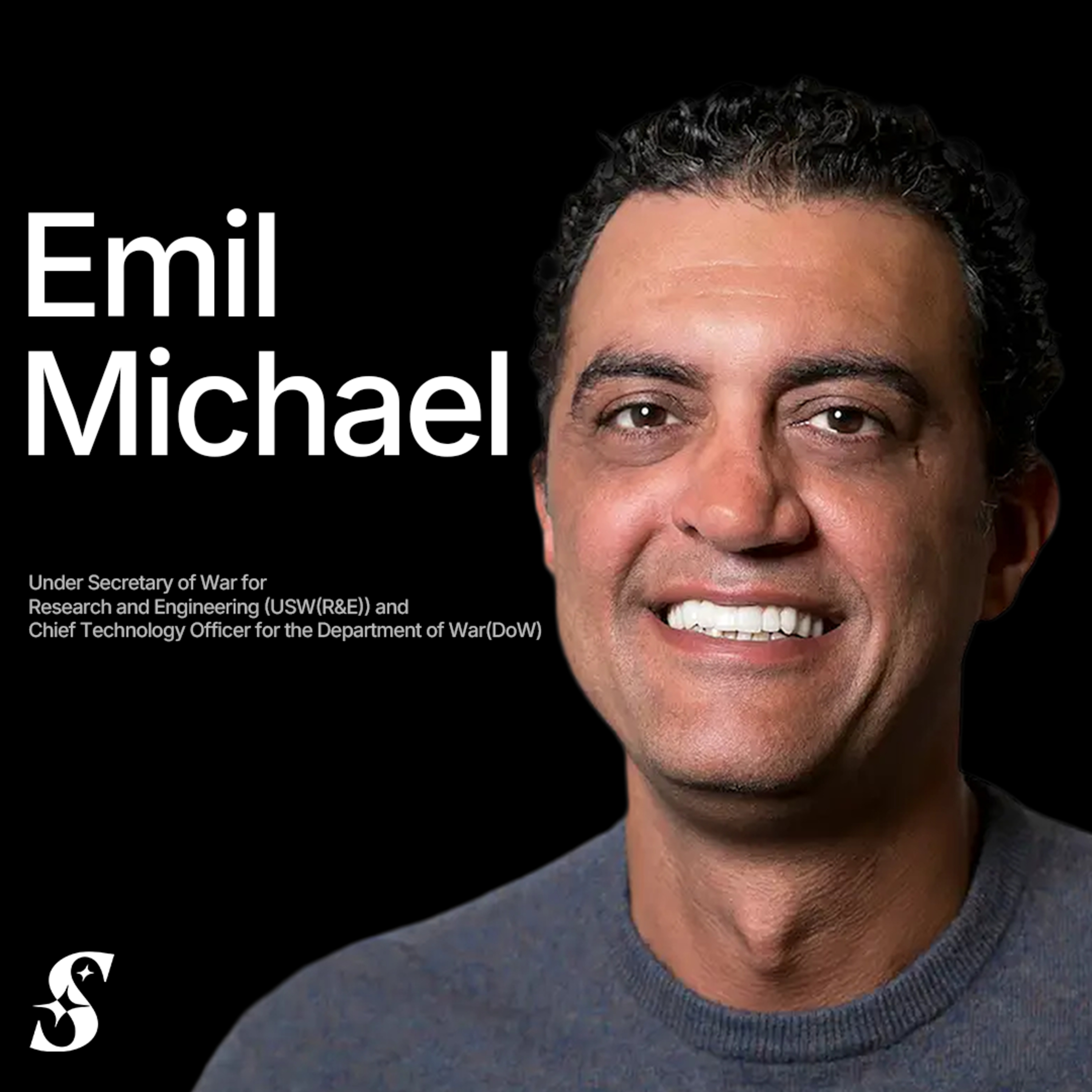
The Under Secretary of War, a former Uber executive, likens his government role to his startup experience. The key parallel is being a "political disruptor" who examines a massive, entrenched bureaucracy like the Department of War with a "clean sheet of paper," questioning existing processes and empowering change from first principles.
AI is not solely a tool for the powerful; it can also level the playing field. Grassroots political campaigns and labor organizers can use AI to access capabilities—like personalized mass communication and safety reporting apps—that were previously only affordable for well-funded, established entities.

Many laws were written before technological shifts like the smartphone or AI. Companies like Uber and OpenAI found massive opportunities by operating in legal gray areas where old regulations no longer made sense and their service provided immense consumer value.

By aggregating millions of users, ZocDoc acts as a collective bargaining unit for patients. It uses its marketplace power to reward providers for patient-friendly behavior (e.g., price transparency, better hours) with better visibility, proving more effective at driving change than punitive government regulations.

Dominant aggregator platforms are often misjudged as being vulnerable to technological disruption (e.g., Uber vs. robo-taxis). Their real strength lies in their network, allowing them to integrate and offer new technologies from various providers, thus becoming beneficiaries rather than victims of innovation.
