Get your free personalized podcast brief
We scan new podcasts and send you the top 5 insights daily.
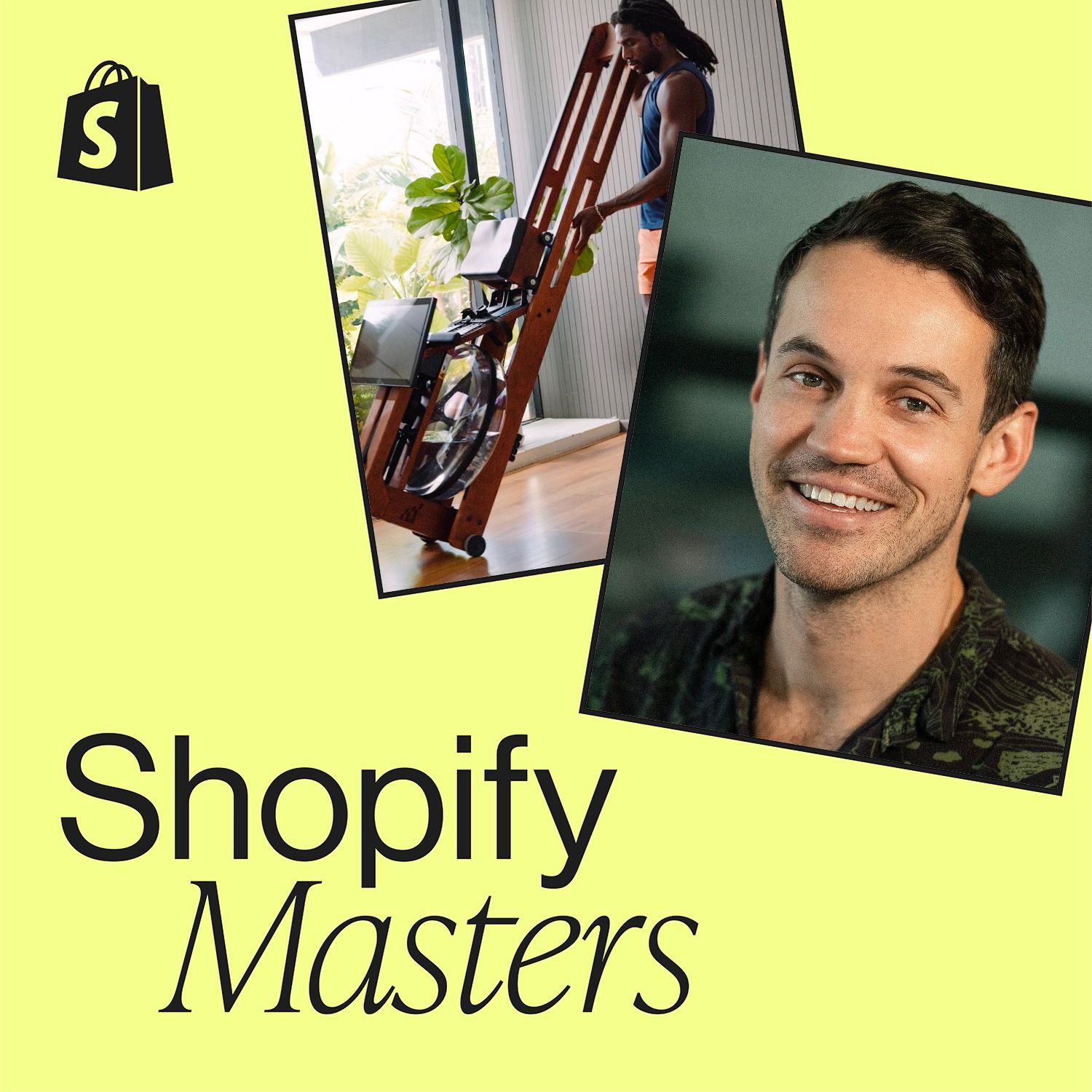
Ergatta had pitched major fitness companies for years with no success. The opportunity for their transformative licensing deal with iFit only arose after the post-COVID market downturn led to a change in CEO. The new leader was more open to innovation and partnerships, demonstrating how industry shifts can unlock previously closed doors.
Related Insights
During its COVID-era pivot, Lifetime replaced its entire sales team with a "concierge" service focused on member experience and ceased all traditional advertising. This counter-intuitive strategy, focused purely on product quality and customer help, led to a doubling of revenue in three years and waitlists at many locations.

Ergatta's "North Star" was never to be a hardware company, but the leading provider of gaming content for all cardio equipment. They built their own rower first to prove the model in a whitespace market. This success enabled their true, more scalable strategy: licensing that proven content to giants like iFit.
When civil war made the government an unsuitable partner, an NGO successfully pivoted by collaborating with the church—the community's new trusted institution. In a tech disruption, companies must similarly identify and partner with new entities that hold customer trust.

Rensprey, a rental software company, grew from $2M to $40M in revenue not through direct sales but through an innovative partnership strategy. Founder Michael Liccarelli created win-win situations for distribution partners, cracking a go-to-market motion that competitors couldn't figure out.
Rejection from Adidas and Puma forced Dick's to partner with an unknown Nike, which became a huge growth driver. Similarly, being strong-armed into selling apparel revealed a highly profitable new category. This shows that external constraints and unwanted demands can accidentally steer a business toward its biggest opportunities.
![Ed Stack: Lessons from Dick’s Sporting Goods [Outliers] thumbnail](https://megaphone.imgix.net/podcasts/2e1ece1e-9418-11f0-a293-fbf26a5641f7/image/c326da117a8c3f34b0eb64d2cab694ad.png?ixlib=rails-4.3.1&max-w=3000&max-h=3000&fit=crop&auto=format,compress)
Launching during a downturn can be advantageous. With less competition, a compelling story can gain significant PR traction. Larroudé's founders leveraged the 2020 pandemic when other brands were silent, mirroring the retail boom that followed the 2008 crisis.

Zak Brown's first move at the struggling McLaren F1 team was to overhaul the leadership team, bringing in fresh blood to create alignment before tackling technical or commercial issues. This established a new, winning culture from the top down.

Kyle York of York IE passed on Adhawk despite loving the founder because of a recent bad experience in the ad tech industry. The founder later pivoted the company into a SaaS platform for the flooring industry (Broadloom) and achieved a great exit, demonstrating that strong founders can escape challenging markets.
By acting as a forward-deployed engineer in the early days, the CTO gained deep customer and sales motion insights. This direct market experience was crucial for his successful transition into the CEO role.

Two founders rejected a $20M acquisition offer they felt was too low. After successfully pivoting their business during the pandemic, they returned to the same buyer and received a doubled offer of $40M with better terms. This shows how patience and focusing on business performance can dramatically improve an exit outcome.
