Get your free personalized podcast brief
We scan new podcasts and send you the top 5 insights daily.
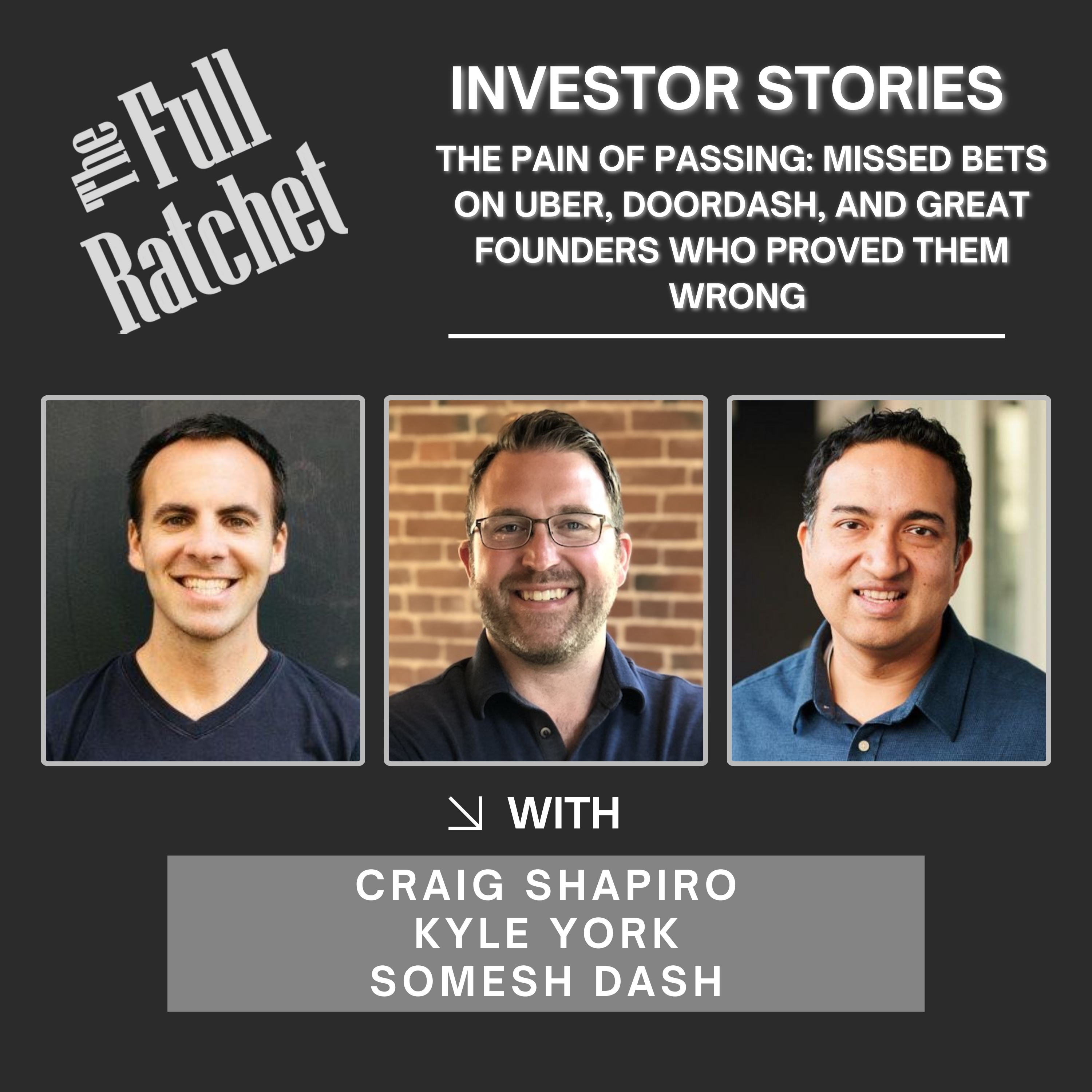
Kyle York of York IE passed on Adhawk despite loving the founder because of a recent bad experience in the ad tech industry. The founder later pivoted the company into a SaaS platform for the flooring industry (Broadloom) and achieved a great exit, demonstrating that strong founders can escape challenging markets.
Related Insights
Founders can waste time trying to force an initial idea. The key is to remain open-minded and identify where the market is surprisingly easy to sell into. Mercor found hypergrowth by pivoting from general hiring to serving the intense, specific needs of AI labs.
Duolingo's first investors admitted they didn't believe in the education market, which they considered a bad business. They invested solely because founder Luis von Ahn had a previous successful exit to Google, demonstrating that a founder's track record can be more persuasive to early VCs than the business idea itself.

Investors often reject ideas in markets where previous companies failed, a bias they call "scar tissue." This creates an opportunity for founders who can identify a key change—like new AI technology or shifting consumer behavior—that makes a previously impossible idea now viable.

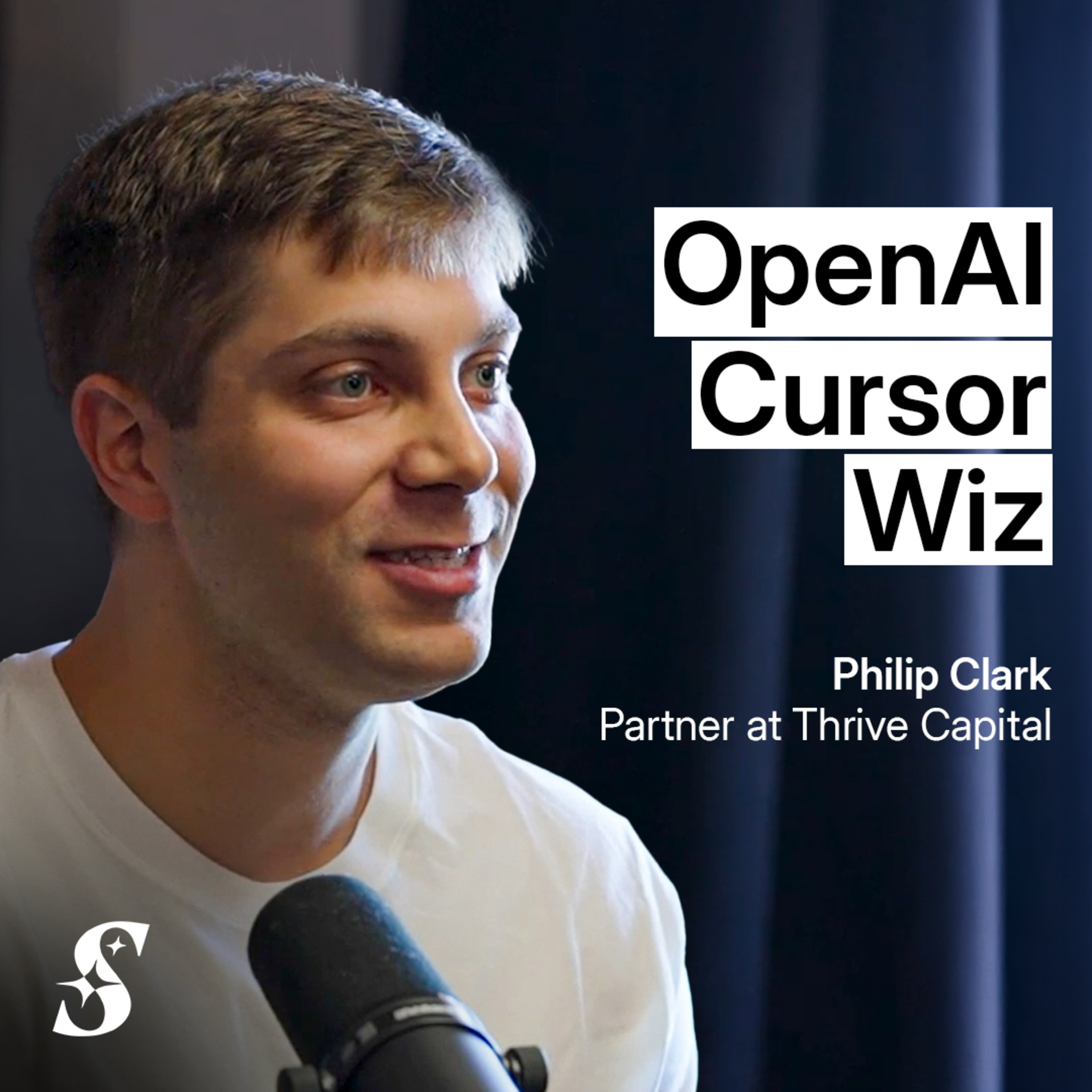
When meeting Cursor's founder, the investor felt an "electric energy" even as the founder was pivoting away from his original idea. This highlights that for elite early-stage investors, the founder's intrinsic drive and potential are the constant to bet on, as ideas will inevitably change.
Founders must have conviction, as even their most sophisticated investors can fundamentally misjudge a bold strategic shift. A Sequoia Capital partner admits their own investors strongly opposed a pivotal move into logistics, demonstrating that founder vision must sometimes override expert consensus.

In dynamic markets like AI, where technology and business models evolve rapidly, the founding team's quality ('the jockey') becomes more critical than the initial business plan ('the horse'). The ability of a small, talented team to pivot and execute on new opportunities is the key determinant of success.

A truly exceptional founder is a talent magnet who will relentlessly iterate until they find a winning model. Rejecting a partnership based on a weak initial idea is a mistake; the founder's talent is the real asset. They will likely pivot to a much bigger opportunity.

In a fast-moving category like AI coding, platform features are fleeting. The more durable factor is the founding team's vision and ability to execute. Users should follow the founders of these companies, as choosing a tool is ultimately a long-term bet on a person's leadership and trajectory.
A great founder cannot salvage a dead market. Success is a multiplication of founder skill, product viability, and market hunger. If any of these factors, especially the market, scores near zero, the total outcome will be near zero, regardless of how strong the other components are.

Early-stage founders may face rejection because a VC has a pre-existing bias against their market. A Buildots founder was told "I'm not going to invest in construction" but was offered a $4M check to pivot to cybersecurity, demonstrating some investors have hard "no-go" zones.
