Get your free personalized podcast brief
We scan new podcasts and send you the top 5 insights daily.
By acting as a forward-deployed engineer in the early days, the CTO gained deep customer and sales motion insights. This direct market experience was crucial for his successful transition into the CEO role.

Related Insights
Snowflake hired its first salesperson pre-revenue not to sell, but to get the product into customers' hands to break it. This person acted as a de facto product manager, gathering critical feedback that led to a core architectural change, proving the value of a GTM hire before product-market fit.

Effective leadership in a fast-moving space requires abandoning the traditional org chart. The CEO must engage directly with those closest to the work—engineers writing code and salespeople talking to customers—to access unfiltered "ground truth" and make better decisions, a lesson learned from Elon Musk's hands-on approach.
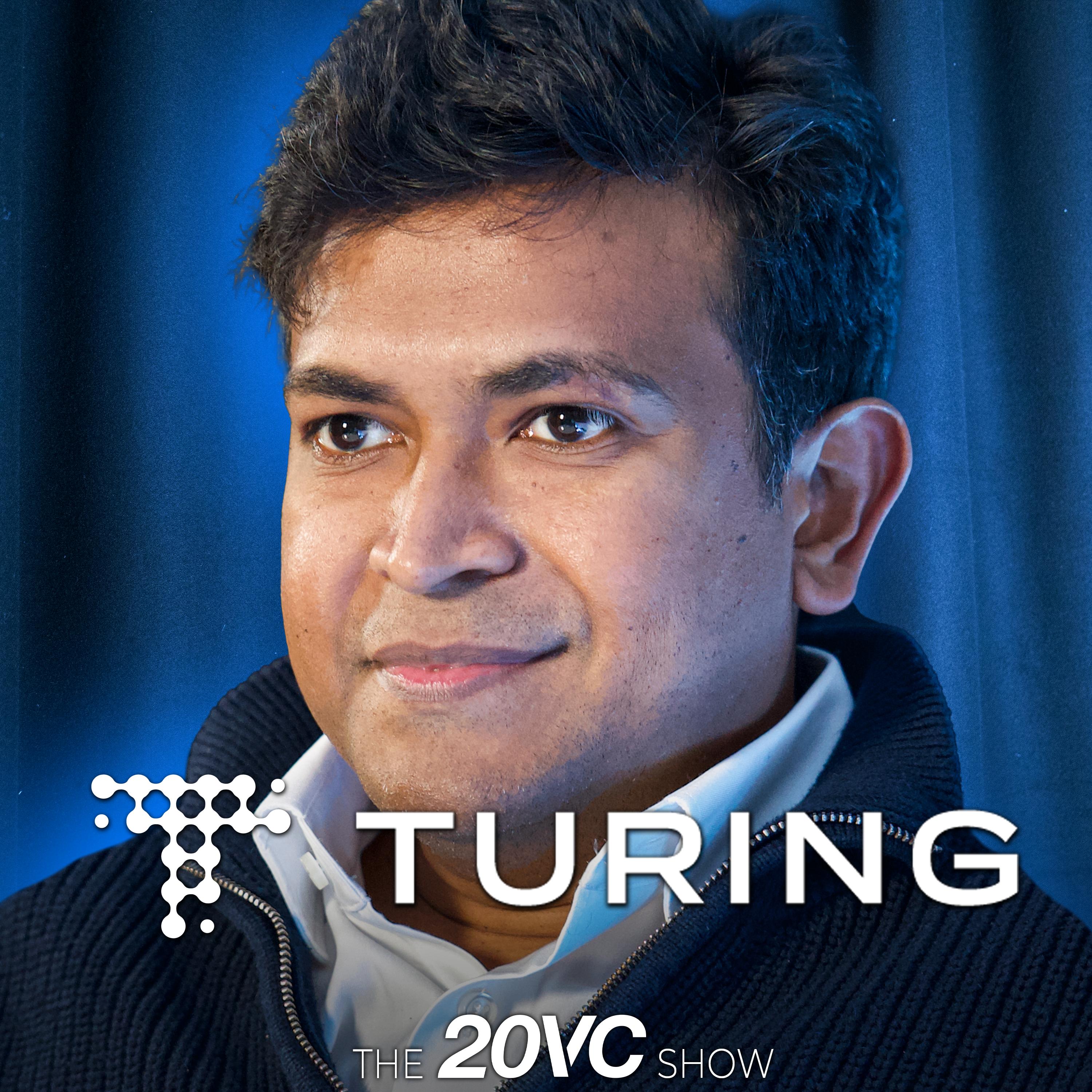
As a technical founder, Sanjit Biswas initially avoided sales. He embraced it only after reframing it as a systems engineering problem—a necessary challenge to solve in order to get his product out into the world and achieve real impact.

To move from engineering to product, don't just ask for the role. Proactively demonstrate PM skills by systemizing learnings from customer interactions. Starting an internal 'customer insight newsletter' based on your debugging work proves your value and builds an undeniable case for the transition.

To scale his company Exit Five, the founder (the "Visionary") promoted his COO to CEO (the "Integrator"). This structure, from the book *Traction*, allows the creator to focus on ideas and content while the operator runs the business, manages the team, and implements processes.

The pivot from a pure technology role (like CTO) to product leadership is driven by a passion shift. It's moving from being obsessed with technical optimization (e.g., reducing server costs) to being obsessed with customer problems. The reward becomes seeing a customer's delight in a solved problem, which fuels a desire to focus entirely on that part of the business.

To build effective GTM automation, hire people who understand both the technology and the sales process. Vercel found success by transitioning its technical sales engineers—who were already former developers—into GTM Engineer roles. This ensures automated workflows are grounded in proven, real-world sales best practices.

An engineering background provides strong first-principles thinking for a CEO. However, to effectively scale a company, engineer founders must elevate their identity to become a specialist in all business functions—sales, policy, recruiting—not just product.

The founder hired an experienced CEO and then rotated through leadership roles in different departments (brand, product, tech). This created a self-designed, high-stakes apprenticeship, allowing him to learn every facet of the business from experts before confidently retaking the CEO role.

To transition from founder to CEO, Unbound Merino's co-founder admitted his own uncertainty and directly asked his top executive what she needed from him to consider him a great CEO. This act of vulnerability built trust and provided a clear path for his leadership development.