Get your free personalized podcast brief
We scan new podcasts and send you the top 5 insights daily.
Launching during a downturn can be advantageous. With less competition, a compelling story can gain significant PR traction. Larroudé's founders leveraged the 2020 pandemic when other brands were silent, mirroring the retail boom that followed the 2008 crisis.

Related Insights
Instead of discounting old inventory, Larroudé offers a pre-order discount on new collections, similar to an early-bird airline ticket. This "direct-to-demand" model incentivizes customers to commit early, which funds production, eliminates excess inventory risk, and improves the brand's cash flow and profitability.
The best time to launch a company is at the bottom of a recession. Key inputs like talent and real estate are cheap, which enforces extreme financial discipline. If a business can survive this environment, it emerges as a lean, resilient "fighting machine" perfectly positioned to capture upside when the market recovers.
Many brands retreat to safety during turmoil. However, a true existential crisis can be a unique opportunity, forcing teams to abandon failing playbooks and embrace the unorthodox, high-risk creative ideas that would otherwise be rejected by the system.

When competing against a resourceful incumbent, a startup's key advantage is speed. Bizzabo outmaneuvered its rival during the pandemic by launching a virtual solution in weeks, not months. This agility allows challenger brands to seize market shifts that larger players are too slow to address.

During economic downturns, competitors retreat and cut discretionary spending. This is the precise moment to increase marketing efforts. Organic social media content creation costs $0, making it the perfect offensive strategy to gain market share from defensive, fearful rivals.

Larroudé's co-founders identify their dual Brazilian-American citizenship as a key "lucky" advantage. This allowed them to understand the US consumer market while expertly navigating Brazil's massive footwear manufacturing industry. Founders should seek opportunities where their personal history provides an edge no competitor can replicate.
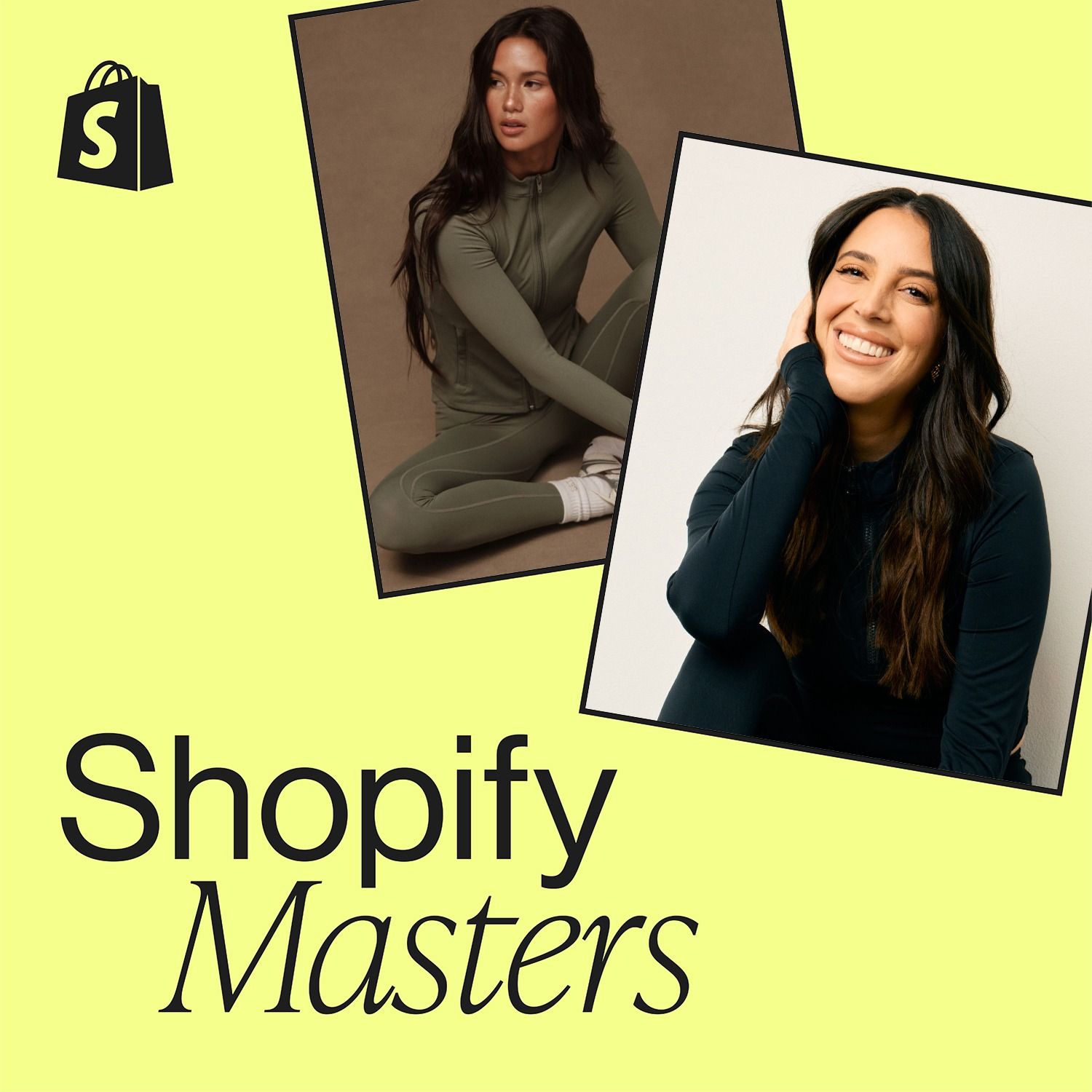
For founders without a large marketing budget, building in public isn't optional. Lindsay Carter attributes Set Active's initial hype to sharing behind-the-scenes content on her personal social media. She argues that consumers want to root for the underdog, and showing the story—failures and all—is the most effective way to build a loyal following from scratch.
Faced with a $25k event sponsorship, GoProposal's founder realized he could hire a full-time videographer for the same price. This decision, driven by scarcity, led to a more durable content engine that proved invaluable when the pandemic hit. A lack of resources forces creative, high-leverage thinking.

Despite terrible market timing (a pandemic, one week before a presidential election), Bobbi Brown launched Jones Road Beauty on the specific day her non-compete ended. This decision was driven by the deep personal motivation of regaining her freedom, proving that powerful intrinsic drivers can override conventional business logic.

With 58% of consumers worried about finances, over 40% are constantly hunting for deals on websites they've never visited before. This sustained deal-seeking behavior creates a massive, ongoing opportunity for challenger brands to capture market share from established incumbents whose customers are now actively shopping around.