Get your free personalized podcast brief
We scan new podcasts and send you the top 5 insights daily.
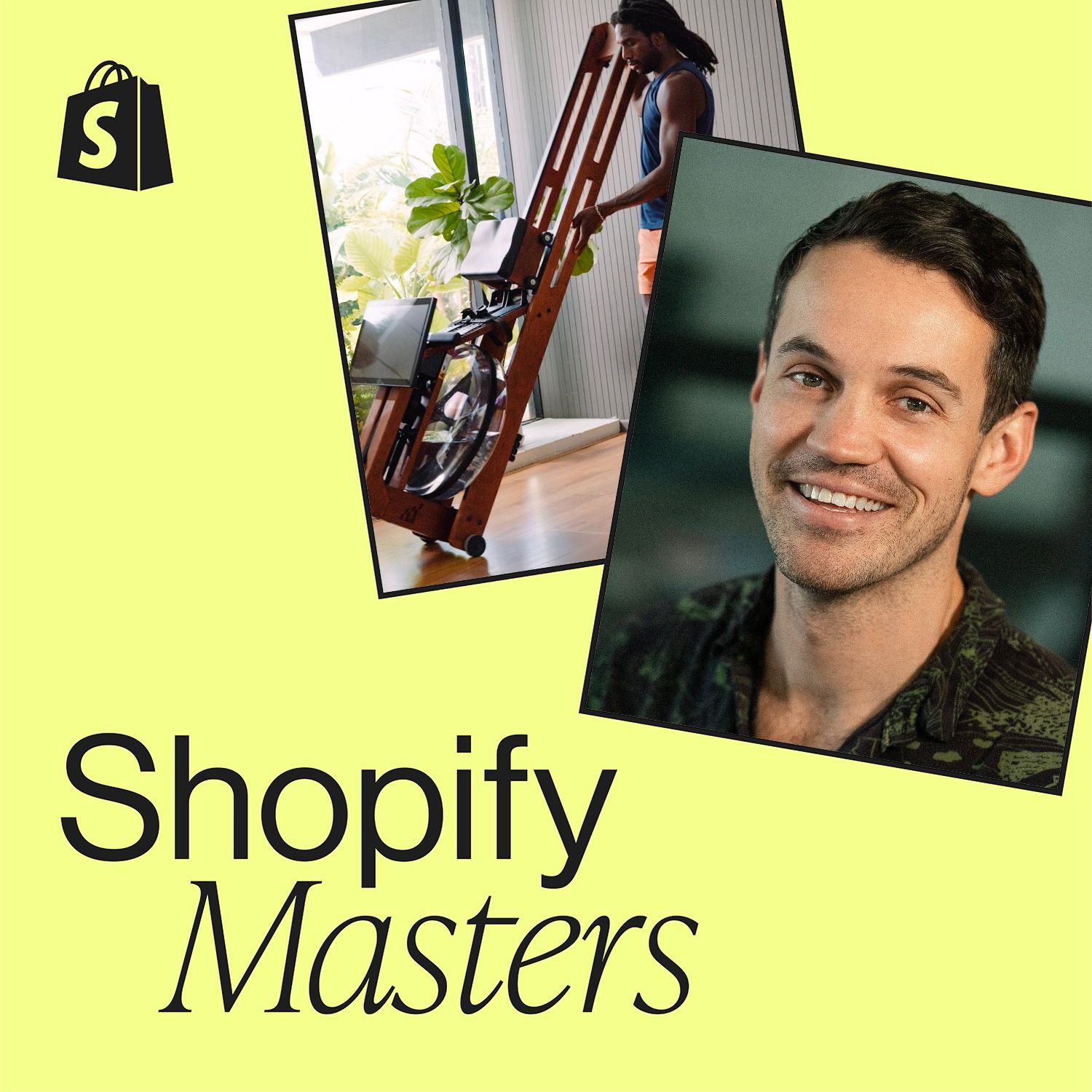
Ergatta's "North Star" was never to be a hardware company, but the leading provider of gaming content for all cardio equipment. They built their own rower first to prove the model in a whitespace market. This success enabled their true, more scalable strategy: licensing that proven content to giants like iFit.
Related Insights
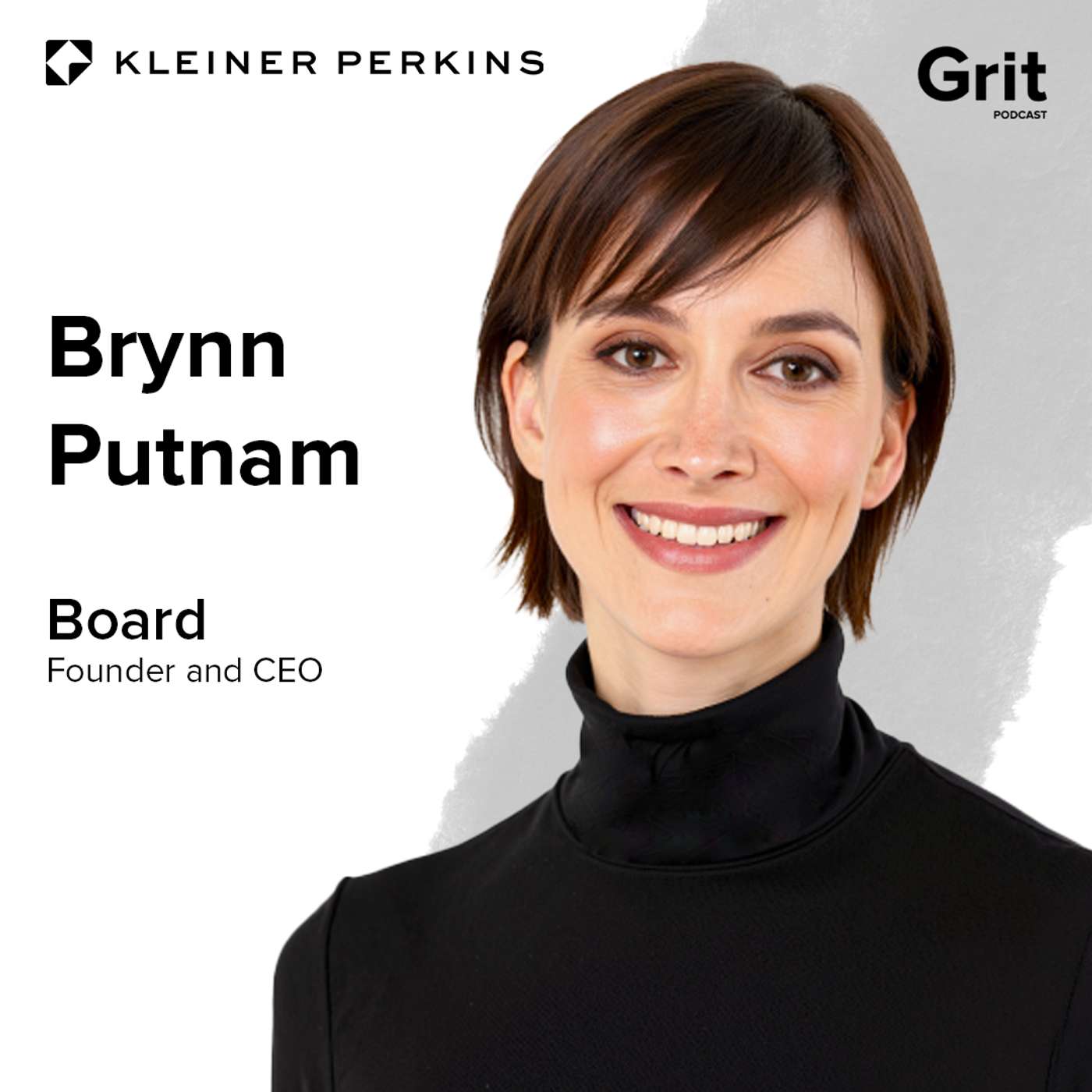
Before raising venture capital for Mirror, founder Bryn Putnam bootstrapped the initial year of R&D using profits from her four successful fitness studios. This provided non-dilutive capital and a safety net, allowing her to explore the high-risk hardware concept without immediate investor pressure.
A company with modest growth experimented with niche content for a small user segment, revealing a massive, underserved market. This led to a second, separate app that quickly surpassed the original product's revenue and drove hyper-growth, challenging the "focus on one thing" dogma.

While competitors tried to build a social network and a recording tool simultaneously, Metal focused exclusively on creating the best video capture tool. By solving a critical user pain point first, they achieved massive scale (tens of millions of users), which they then leveraged to bootstrap a thriving social network on top of existing user behavior.

Instead of building a consumer brand from scratch, a technologically innovative but unknown company can license its core tech to an established player. This go-to-market strategy leverages the partner's brand equity and distribution to reach customers faster and validate the technology without massive marketing spend.

Initially a hardware company, SkillVari's supply chain collapsed during the pandemic, sending revenue to zero. This crisis forced a pivot to a software-first model, allowing customers to buy off-the-shelf Meta or Pico headsets and load the software, creating a more scalable and resilient business.

While Peloton uses gamification (streaks, leaderboards), Ergatta built actual games with avatars and opponents. This strategy targeted an underserved psychographic of introverted, competitive users who research showed were not motivated by class-based fitness. The deeper engagement of true gaming created a strong product-market fit.
Success isn't linear. Mobile gaming giant Supercell didn't start with mobile games, and drone delivery firm ZipLine began with a robotic toy. This shows that foundational failures in one area can be the necessary learning experiences that lead to market-defining success in another.

Ergatta had pitched major fitness companies for years with no success. The opportunity for their transformative licensing deal with iFit only arose after the post-COVID market downturn led to a change in CEO. The new leader was more open to innovation and partnerships, demonstrating how industry shifts can unlock previously closed doors.
Shower Spa first targeted the mobility-challenged market, establishing strong product-market fit with a clear need. This focused entry point, like Peloton's for serious cyclists, builds a loyal base before expanding into the broader luxury and wellness markets.
To launch their high-ticket rower, Ergatta's founders focused on their core strengths: software and marketing. They consciously decided hardware manufacturing was "off-piste" from their strategy. Instead of hiring a co-founder for this, they used expert advisors, allowing them to stay capital-efficient and focused on creating value through content.