Get your free personalized podcast brief
We scan new podcasts and send you the top 5 insights daily.
Breaking from typical 'Global South' alignment, India has adopted a pragmatic, realpolitik approach to the Iran conflict. It has not condemned the US-Israeli attacks, reflecting a strategic calculation that its future economic interests lie with the technological power of Israel and the capital of the Gulf states, not a destabilizing Iran.

Related Insights
US tariffs, specifically a 50% tariff on India, have pushed Prime Minister Modi to publicly reinforce ties with Russia's Putin. This geopolitical shift is not just based on historical allegiance but is a direct strategic reaction to US economic pressure, demonstrating how "America First" policies can unintentionally benefit adversaries.
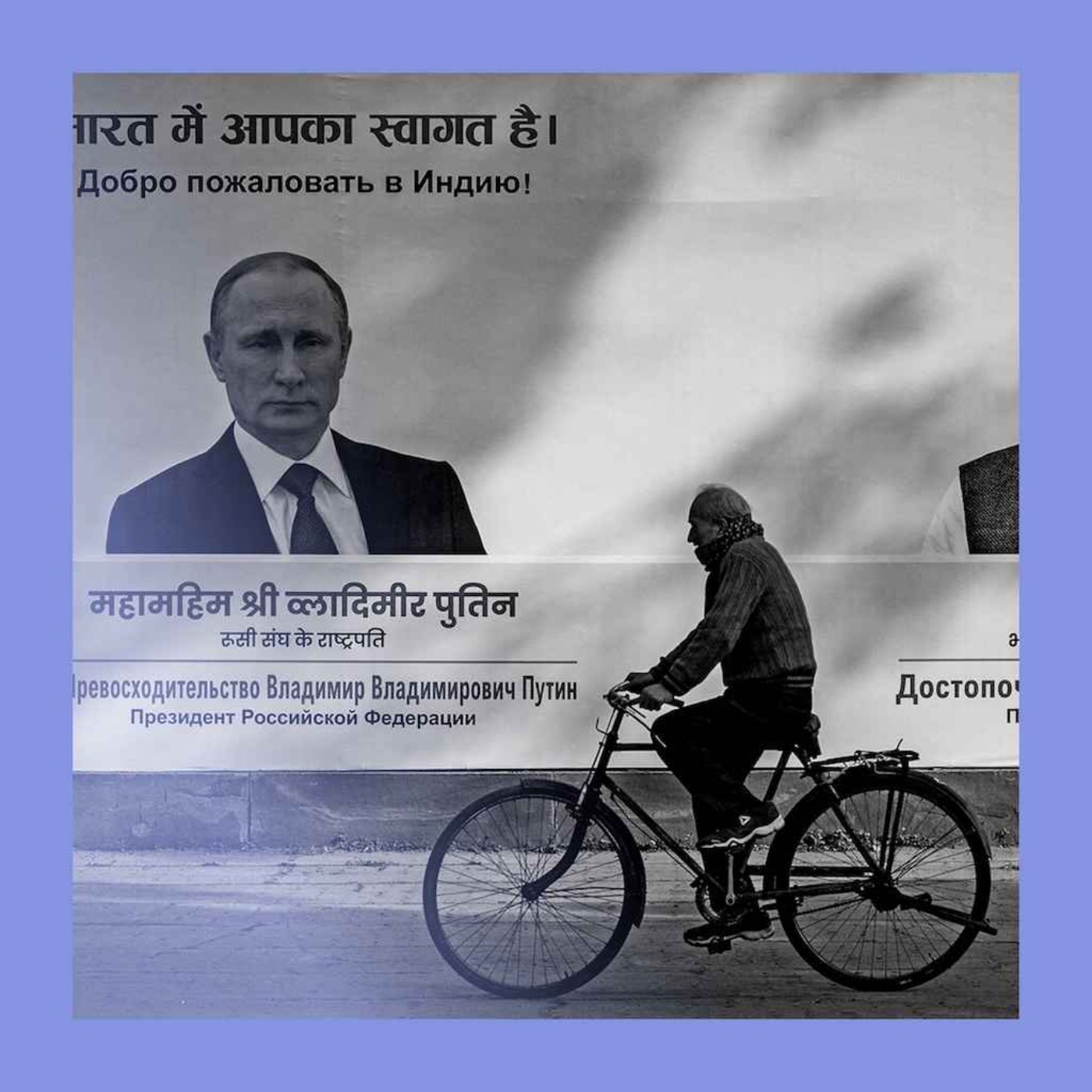
The U.S. is undoing 25 years of bipartisan work by pushing India away with punitive tariffs. This is a massive strategic blunder, as India is the only country with the population and industrial scale to serve as a viable supply chain alternative to China, making it a critical geopolitical partner.

Countries like the UAE and Saudi Arabia are ambivalent about US military action. Their primary fear is not a full-scale war, but a limited 'hit-and-run' strike where the US attacks and then diverts attention, leaving them 'naked and vulnerable' to Iranian retaliation without a long-term American security presence.
Beyond the immediate conflict, Israeli strategists see a long-term opportunity. If the current regime falls, they hope to restore the strong alliance that existed with non-Arab Iran before the 1979 Islamic Revolution, which was based on shared regional interests.

Contrary to his hawkish reputation, Benjamin Netanyahu is deliberately lowering Israel's profile regarding Iran's internal protests. This strategic silence aims to prevent the embattled Iranian regime from feeling cornered and launching a preemptive attack out of paranoia.
Middle powers like India are not picking a side but are 'multi-aligned,' partnering with the US on tech, Russia on arms, and China on other initiatives. This creates a fluid, complex system of shifting, issue-specific coalitions rather than two fixed blocs.

The US decision to sell its most advanced fighter jets to Saudi Arabia marks a significant shift in regional military dynamics. This move worries Israel, which relies on its technological military edge to maintain its status as a regional power, signaling a potential realignment of power in the Middle East.
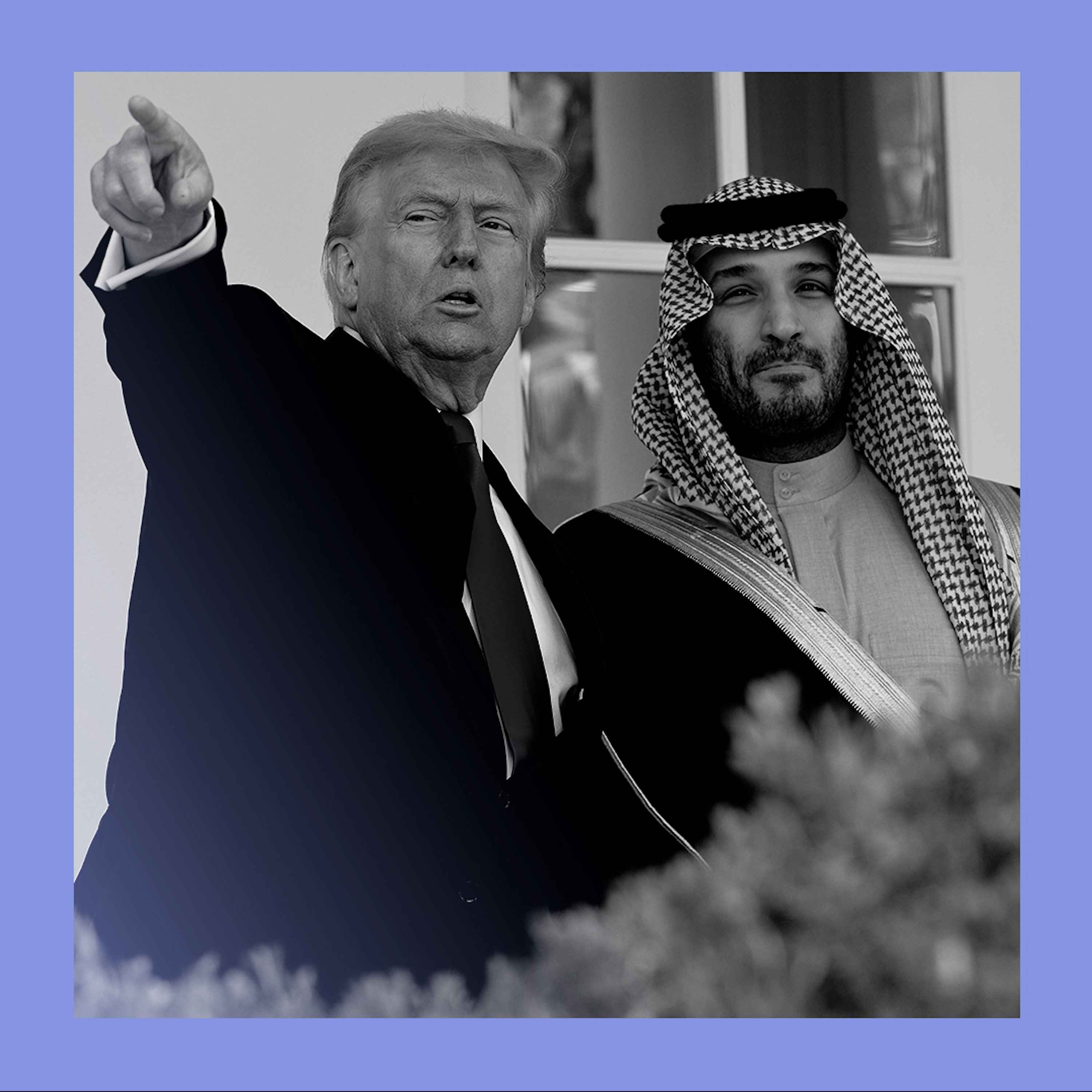
Iran's attempt to sow regional instability by attacking nine Arab countries backfired. Instead of creating chaos, these militarily insignificant 'pinprick' attacks eliminated neutrality and pushed Gulf states to fully support the US-Israeli mission against Iran, viewing it as a necessary response.
The future world order hinges on the alignment of the Global South. Alexander Stubb argues that Western powers must use "values-based realism" and "dignified foreign policy" to win over key nations like India, Brazil, and South Africa to a rules-based system, as they are the decisive players in the struggle.

A cynical but plausible US strategy is to provoke conflicts, like with Iran, and then withdraw. This forces regional allies such as Saudi Arabia and the UAE to manage the fallout by purchasing billions in American weaponry, creating a forced market for the defense industry.
