Get your free personalized podcast brief
We scan new podcasts and send you the top 5 insights daily.
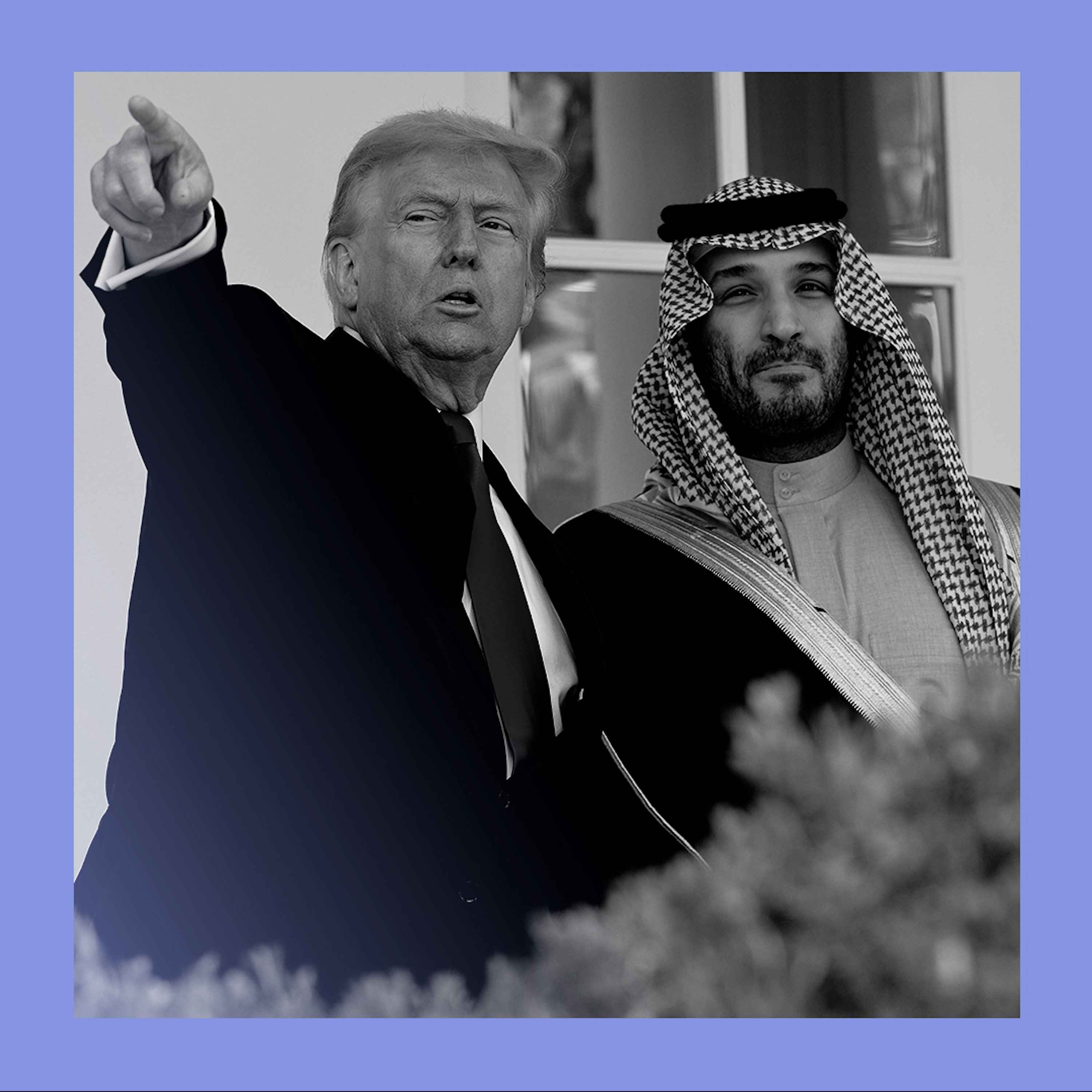
The US decision to sell its most advanced fighter jets to Saudi Arabia marks a significant shift in regional military dynamics. This move worries Israel, which relies on its technological military edge to maintain its status as a regional power, signaling a potential realignment of power in the Middle East.
Related Insights
The conflict in Ukraine exposed the vulnerability of expensive, "exquisite" military platforms (like tanks) to inexpensive technologies (like drones). This has shifted defense priorities toward cheap, mass-producible, "attritable" systems. This fundamental change in product and economics creates a massive opportunity for startups to innovate outside the traditional defense prime model.

The nearly trillion-dollar US defense budget is misleading. The vast majority is locked into fixed costs like salaries, facilities, and sustaining legacy systems. The actual procurement budget for new technology is at a historic low as a percentage of GDP, constraining modernization.

The United States' greatest strategic advantage over competitors like China is its vast ecosystem of over 50 wealthy, advanced, allied nations. China has only one treaty ally: North Korea. Weakening these alliances through punitive actions is a critical foreign policy error that erodes America's primary source of global strength.

Beyond the US and China, Saudi Arabia is positioned to become the third-largest AI infrastructure country. The national strategy leverages its abundance of land and power not just for oil exports, but to lead the world in "energy exports via tokens," effectively selling compute power globally.

Massive backlogs for critical US military hardware are making America an unreliable supplier. This strategic vulnerability is pushing allied nations to develop their own defense industrial bases, creating a huge market for companies like Anduril that can co-develop and establish local production.
Restricting allies like the UAE from buying U.S. AI chips is a counterproductive policy. It doesn't deny them access to AI; it pushes them to purchase Chinese alternatives like Huawei. This strategy inadvertently builds up China's market share and creates a global technology ecosystem centered around a key U.S. competitor.
Facing a steep decline in its share of India's defense imports from over 70% to 35%, Russia is offering full technology transfers with its military hardware, like the Su-57 fighter jet. This strategic incentive, which Western suppliers have not provided, is designed to reverse India's drift towards American, French, and Israeli equipment.

Regional stability is an economic necessity for oil-rich nations. Peace allows them to accelerate monetization of their finite oil reserves and reinvest the capital into diversified, future-proof economies like AI and tourism before alternative energy devalues their primary asset.

Countries are rapidly increasing defense spending due to global instability and the US's shifting role. Massive backlogs for US equipment, like a reported 15-year wait for Patriot missiles, are forcing allies to invest in domestic production and R&D for assured supply.

The US military's 30-year strategy, born from the Gulf War, of relying on small numbers of technologically superior weapons is flawed. The war in Ukraine demonstrates that protracted, industrial-scale conflicts are won by mass and production volume, not just technological sophistication.