Get your free personalized podcast brief
We scan new podcasts and send you the top 5 insights daily.
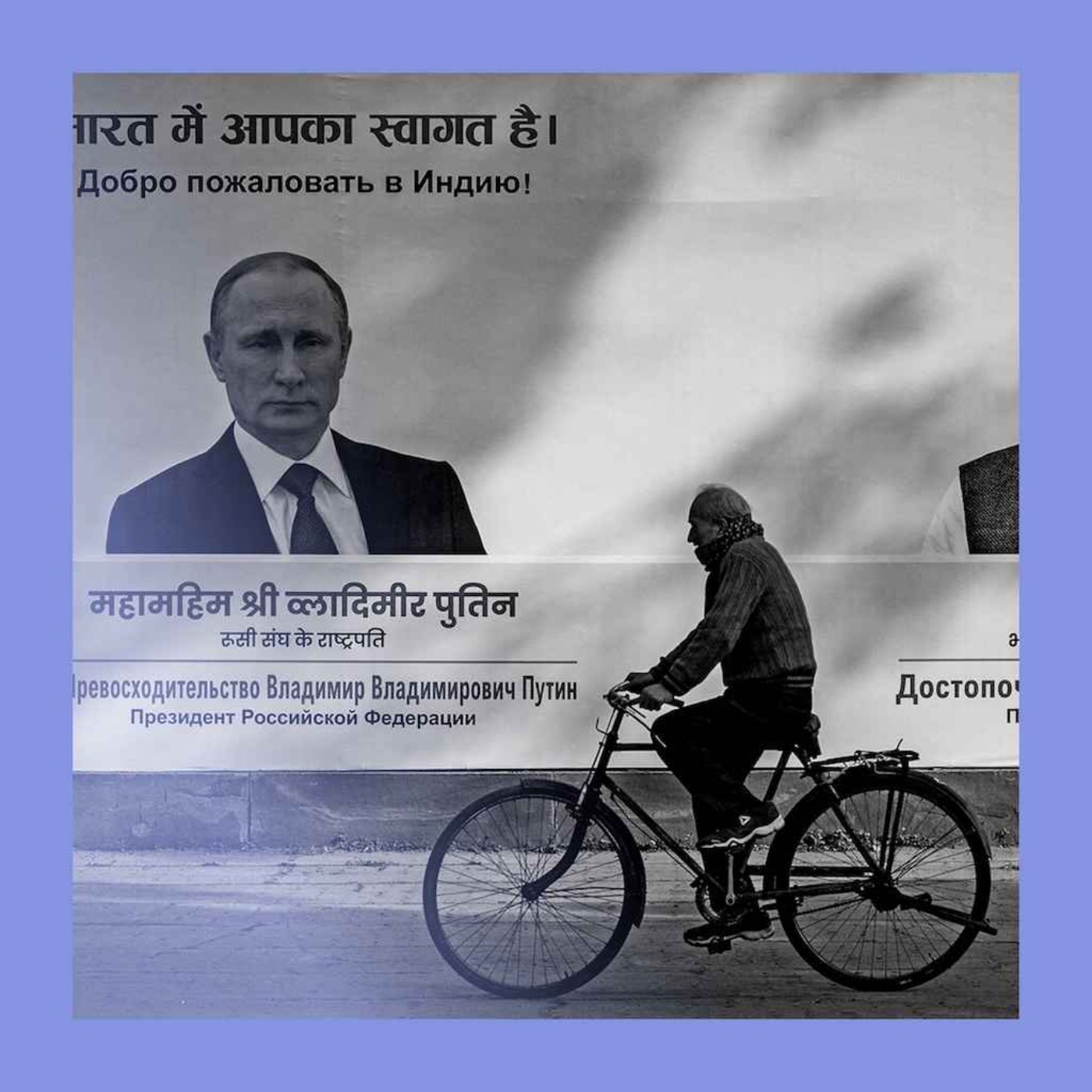
US tariffs, specifically a 50% tariff on India, have pushed Prime Minister Modi to publicly reinforce ties with Russia's Putin. This geopolitical shift is not just based on historical allegiance but is a direct strategic reaction to US economic pressure, demonstrating how "America First" policies can unintentionally benefit adversaries.
Related Insights
China's renewed commitment to the previously stalled Power of Siberia 2 gas pipeline is a direct geopolitical response to the U.S. using trade and energy as weapons. This move signals a strategic pivot to reduce its energy dependency on the Western Hemisphere amid escalating trade tensions.

The current US-India tariff situation is a stable deadlock. The US can easily replace Indian imports, and India can absorb the minor GDP impact (30-80 basis points). This lack of urgency on either side suggests a prolonged standoff rather than a quick resolution.

The U.S. is undoing 25 years of bipartisan work by pushing India away with punitive tariffs. This is a massive strategic blunder, as India is the only country with the population and industrial scale to serve as a viable supply chain alternative to China, making it a critical geopolitical partner.

Contrary to its goals, the U.S. trade war has resulted in self-isolation. Data shows the U.S. is the only country buying less from China, while U.S. allies and developing nations have increased their trade, leading to a record $1 trillion surplus for China. This highlights a strategic miscalculation in U.S. foreign trade policy.

Middle powers like India are not picking a side but are 'multi-aligned,' partnering with the US on tech, Russia on arms, and China on other initiatives. This creates a fluid, complex system of shifting, issue-specific coalitions rather than two fixed blocs.

Unlike previous administrations that used trade policy for domestic economic goals, Trump's approach is distinguished by his willingness to wield tariffs as a broad geopolitical weapon against allies and adversaries alike, from Canada to India.
Facing significant US tariffs and global trade headwinds, India is pivoting inward. The government is implementing a three-pronged stimulus—cutting household taxes, central bank interest rates, and consumption taxes—to boost domestic demand and insulate its economy from external shocks.
Facing a steep decline in its share of India's defense imports from over 70% to 35%, Russia is offering full technology transfers with its military hardware, like the Su-57 fighter jet. This strategic incentive, which Western suppliers have not provided, is designed to reverse India's drift towards American, French, and Israeli equipment.
Far from being a precise tool against China, recent US tariffs act as a blunt instrument that harms America's own interests. They tax raw materials and machine tools needed for domestic production and hit allies harder than adversaries. This alienates partners, disrupts supply chains, and pushes the world towards a 'World Minus One' economic coalition excluding the US.

Contrary to popular belief, tariffs can be disinflationary by forcing foreign producers to absorb costs to maintain volume. They also function as a powerful national security tool, compelling countries to negotiate on non-trade issues like fentanyl trafficking by threatening their core economic models.