Get your free personalized podcast brief
We scan new podcasts and send you the top 5 insights daily.
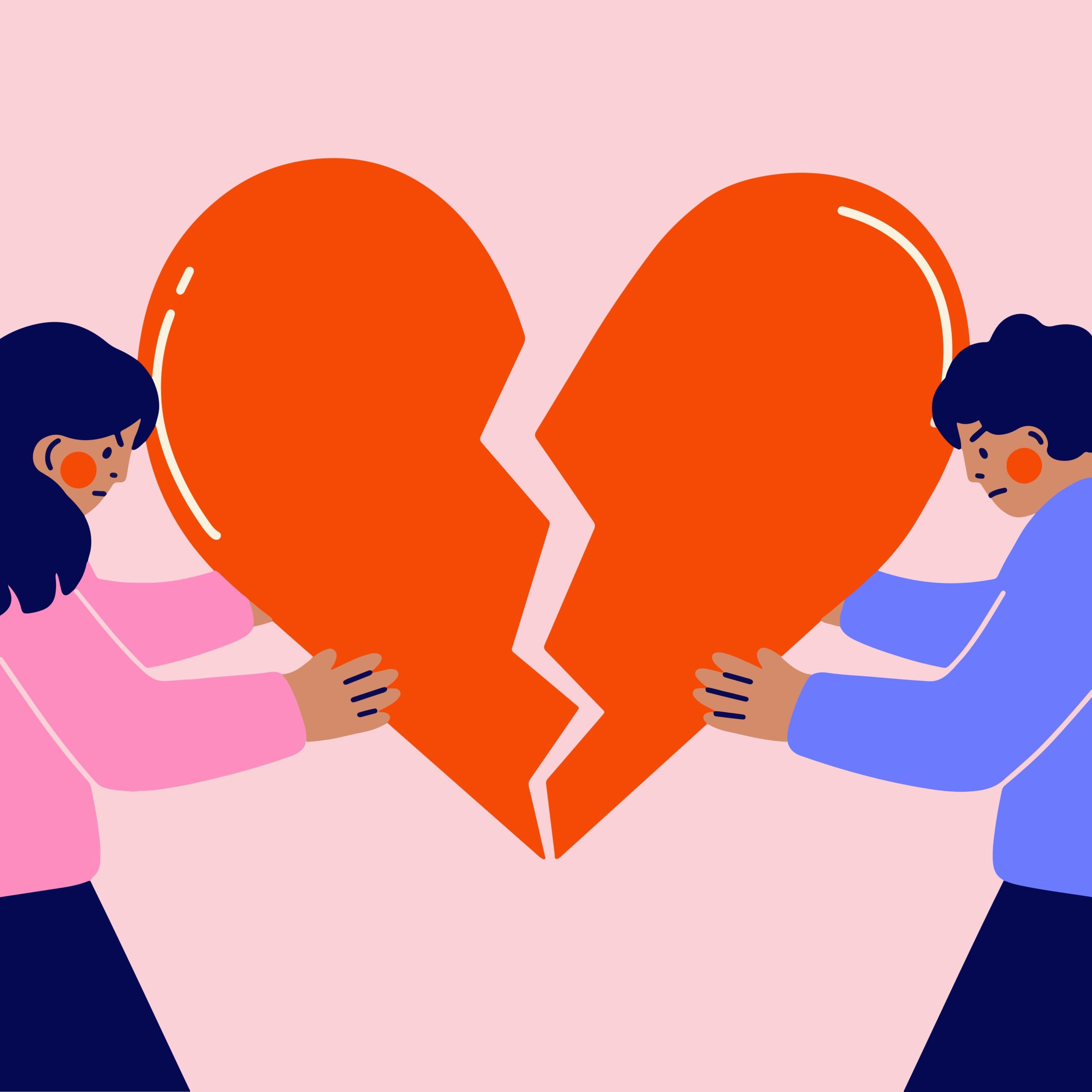
Believing a partner 'makes you happy' creates a dangerous codependency. By giving them the power to create your joy, you also give them the power to create your sadness and depression. True partnership requires bringing your own happiness into the relationship.

Related Insights
Happiness studies reveal that fulfillment comes from the active process of caring for others. The happiest individuals are not those who are the passive recipients of the most affection, but rather those who actively cultivate deep, meaningful relationships where they can give love.

Insisting a partner must change for you to be happy creates a state of "self-justifying passivity." You become trapped waiting for them, rather than reclaiming your power to improve the relationship by being the one who moves first towards understanding.
This seemingly innocent phrase can be deeply damaging, as it implies a woman's happiness was achieved independently of, or even despite, her partner. It erases his supportive role—even passive support like giving space—and makes him feel excluded from her victories rather than a contributor to them.

Many fear setting boundaries will push a partner away. Reframe it: boundaries protect the relationship's health and longevity. By voicing a need, you are advocating for the connection itself, filtering out those who can't meet your needs and preventing your own resentment from building.

The surest path to an unhappy marriage is building a relationship where you are constantly playing a character to win the other person over. A true partnership is found when someone loves you for your authentic self, flaws and all.

An obsessive attachment to another person is not about the qualities of that person (the "drug"). It is a symptom of deeper internal issues and traumas. The relationship is merely the mechanism you are using to cope with your own pain, creating a cycle of dependency.

A key source of conflict is the implicit belief that partners should just know how we feel without being told. This leads to disappointment when they inevitably fail, causing resentment and stonewalling. Acknowledging this tendency is the first step to fixing it.

Therapist Nedra Glover-Tawwab reframes codependency not as an inherently bad trait, but as a spectrum of behavior. It can be a form of love or necessary support. The key is managing it with strong boundaries and cultivating other healthy relationships to prevent burnout.

A relationship is not the key to personal happiness; it should be an expansion of it. You must first become a healthy, whole person on your own. Seeking a relationship to fix your problems is a flawed premise, as two dysfunctional people coming together only creates more dysfunction.

The root cause of most relationship issues is not the other person, but your own inability to handle difficult emotions like stress, disappointment, or hurt. Instead of processing these feelings internally, you expel them onto your partner through blame, a harsh tone, or withdrawal. Healing begins with regulating your own emotional state.