Get your free personalized podcast brief
We scan new podcasts and send you the top 5 insights daily.
Founders who fear their team won't perform to their standard become a permanent bottleneck. To scale, you must empower your team to make decisions and accept that small mistakes will happen. The leader's job is to create systems that prevent catastrophic failures but allow for minor "fender benders" as part of the learning process.

Related Insights
Former SpaceX CIO Ken Venner advises that process should evolve with company size. Early on, trust smart people with minimal systems. As you grow to hundreds and then thousands, you need more process, but it must enable, not constrain. The goal is to provide information and track actions without stunting growth.
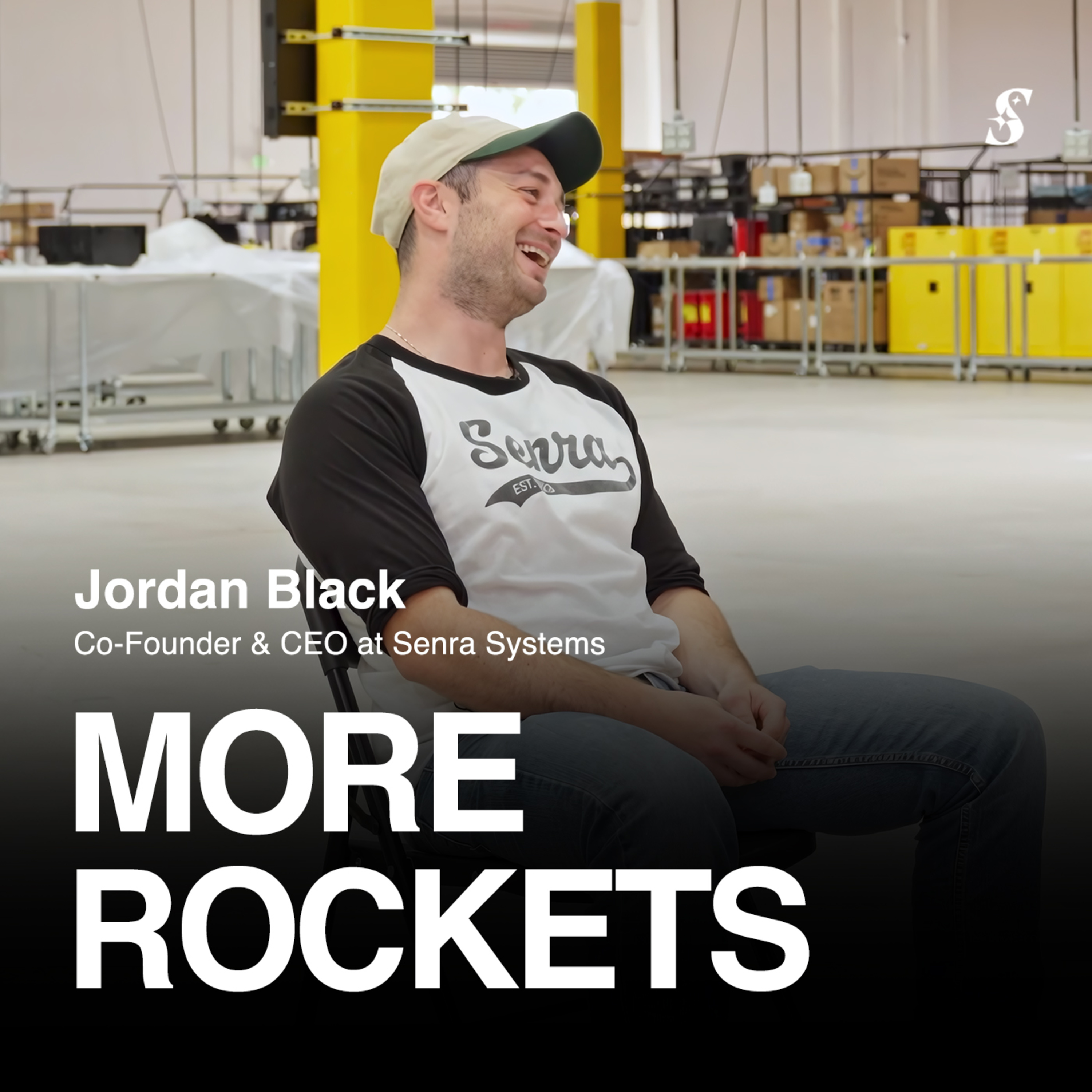
The instinct for a hands-on leader is to fix every problem themselves, which doesn't scale. Growing requires developing the intuition to distinguish between critical issues (glass balls) and less important ones (rubber balls) that can temporarily fail, freeing up time for higher-leverage tasks.

To scale beyond being a bottleneck, leaders must let their team make small mistakes. Allowing for minor, recoverable errors ("fender benders") builds decision-making skills and autonomy, which prevents the catastrophic failures ("train wrecks") that occur when a team is overly dependent on its leader.
To accelerate growth for talented individuals, give them responsibility where their failure rate is between one-third and two-thirds. Most corporate roles are over-scaffolded with a near-zero chance of failure, which stifles learning. High potential for failure is a feature, not a bug.

To foster growth and create a self-sufficient organization, leaders should grant designers extreme ownership rather than directing their work. This forces them to make hard decisions, which is the fastest way to become a better designer.

The same traits that create initial success—total control, working the hardest, making every call—are the ones that trap the business and prevent it from scaling. To grow, a leader must evolve from a technician doing the work to a coach building the people who do the work.

The very traits that help a founder succeed initially—doing everything themselves, obsessing over details—become bottlenecks to growth. To scale, founders must abandon the tools that got them started and adopt new ones like delegation and trust.

Stephen Ellsworth advises founders to delegate tasks when they have only 50-60% confidence that the person will succeed. Waiting for 100% certainty creates a bottleneck and prevents scaling. This lower threshold empowers the team and frees up the founder's time, even if the initial outcome isn't perfect.

Founders often fear scaling a service business because they believe only they can provide the 'personal touch.' This is an ego-driven bottleneck. The correct approach is to hire, accept that mistakes will happen, fire underperformers, and use sincere apologies and refunds to repair client relationships. Service failures are a predictable cost of scaling.

The initial startup phase is about survival and discovering product-market fit by challenging assumptions. To scale, founders must transition from making every decision by instinct to building systems and processes that empower the team to make good decisions without them. The initial playbook becomes a liability.
