Get your free personalized podcast brief
We scan new podcasts and send you the top 5 insights daily.
By refusing to bend to pressure, the Cuban government forces the US into a difficult position: either back down or escalate to a full-scale invasion, a politically unpalatable option the US wants to avoid.

Related Insights
An expert assesses a 70-80% probability that Cuba will cut a deal with the Trump administration, similar to Venezuela's. Lacking a foreign patron like the USSR or Chavez-era Venezuela, the Cuban regime is motivated by economic desperation to make a pragmatic deal, trading alignment for relief from US sanctions to maintain power.

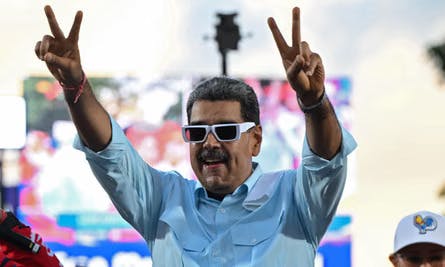
Authoritarian leaders who publicly mock or dismiss threats risk triggering a military response driven by personal pride. Venezuelan President Maduro's televised dancing was reportedly perceived by the Trump administration as calling their bluff, demonstrating how avoiding the appearance of being a 'chump' can become a primary motivator for military action.
Despite a strong sense of nationalism, suffering in Cuba has become so profound that many citizens now see American intervention as the only path to change. Their desperation for a resolution outweighs their historical opposition to foreign involvement, viewing it as a "get it over and done with" scenario.

Nations whose leadership faces an existential threat (e.g., being overthrown and killed) will not capitulate to standard economic or military pressure. Their only perceived path is to escalate and push forward, rendering traditional negotiation leverage ineffective.

Despite facing extreme economic scarcity, crippling power outages, and decades of US pressure, the Cuban government's collapse is not imminent. Analysts warn against underestimating the regime's staying power, citing its highly disciplined organization and a core of revolutionaries who have defied predictions of their demise.
Venezuela's remaining leadership can adopt a strategy of "playing for time." By appearing cooperative while delaying substantive changes, they can wait for events like the US midterms to increase domestic political pressure on the administration, making sustained intervention unpopular and difficult to maintain. The weaker state's best defense is the superpower's internal clock.
By demonstrating a willingness to take extraordinary unilateral action, the U.S. makes previously outlandish threats—like those concerning Cuba or Greenland—seem newly credible. This strategic ambiguity creates leverage and increases U.S. bargaining power globally.
The goal was to give Cubans a taste of economic freedom and normality, creating internal pressure for change that would overwhelm the government's capacity to control the pace of reform. It was a strategy of 'corrosive normality'.
The US strategy in Cuba may not be to oust the Castro family entirely, but to replace the current president while leaving the core power structure and even Castro relatives intact. This mirrors the approach in Venezuela, suggesting a pragmatic rather than purely ideological goal.
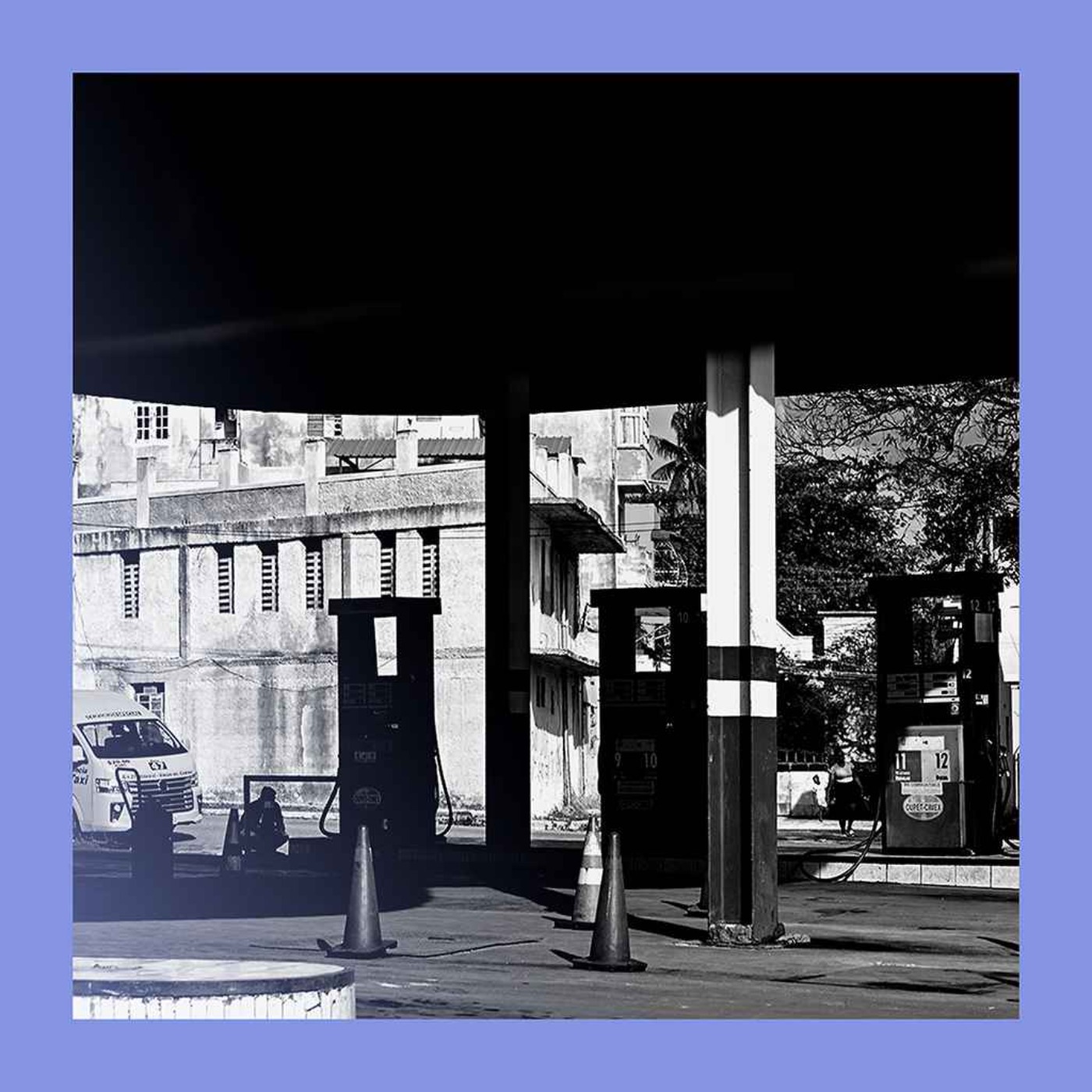
Cuba's infrastructure and military are already in such poor shape that aerial attacks would have limited impact. The regime could simply absorb the damage, leading to a stalemate and increased suffering for the population without any political change.