Get your free personalized podcast brief
We scan new podcasts and send you the top 5 insights daily.
By demonstrating a willingness to take extraordinary unilateral action, the U.S. makes previously outlandish threats—like those concerning Cuba or Greenland—seem newly credible. This strategic ambiguity creates leverage and increases U.S. bargaining power globally.

Related Insights
Trump's erratic approach isn't random; it's a strategy to create chaos and uncertainty. This keeps adversaries off-balance, allowing him to exploit openings that emerge, much like a disruptive CEO. He is comfortable with instability and uses it as a tool for negotiation and advantage.

The U.S. operation to capture Maduro serves as a real-world case study for China's potential 'decapitation' strike against Taiwan. China has already rehearsed such scenarios in mock-ups of Taipei's presidential palace. This event demonstrates the feasibility of a quick, surgical strike, which is more aligned with the CCP's goals than a costly amphibious invasion.
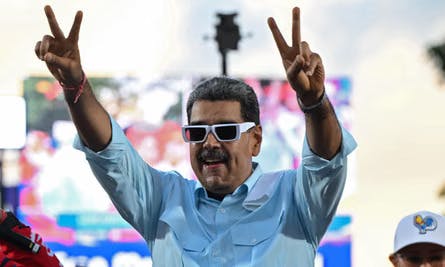
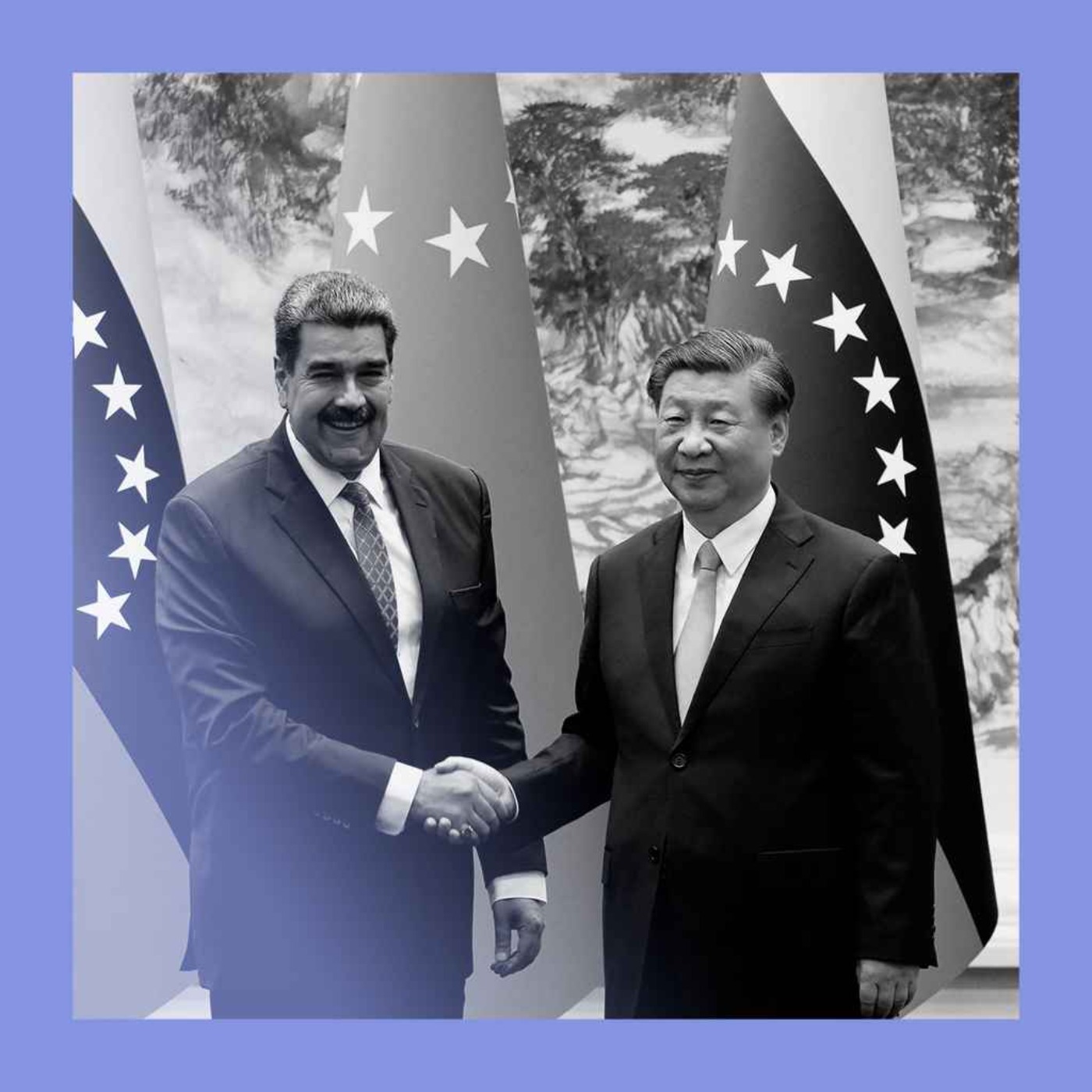
The American action in Venezuela was likely a strategic message to other nations, particularly in Latin America, that an alliance with China does not guarantee protection from US intervention and may carry unforeseen downsides.
Authoritarian leaders who publicly mock or dismiss threats risk triggering a military response driven by personal pride. Venezuelan President Maduro's televised dancing was reportedly perceived by the Trump administration as calling their bluff, demonstrating how avoiding the appearance of being a 'chump' can become a primary motivator for military action.
Despite the public focus on oil, the primary goal of removing Maduro was likely to demonstrate U.S. primacy in the Western Hemisphere. The action serves as a strong signal that the U.S. is willing to act aggressively to enforce its influence in the region.
Trump's 'hokey pokey' with tariffs and threats isn't indecisiveness but a consistent strategy: make an agreement, threaten a severe and immediate penalty for breaking it, and actually follow through. This makes his threats credible and functions as a powerful deterrent that administrations lacking his perceived volatility cannot replicate.

The U.S. intervention in Venezuela reflects a broader domestic trend of fast, unilateral policymaking via executive authority. This pattern bypasses congressional consensus-building, heightening policy uncertainty and systemic risk premiums for investors across all sectors.

The U.S. intervention in Venezuela demonstrates its willingness to act decisively in the Western hemisphere. This display of power provides the U.S. with increased leverage in USMCA trade negotiations, enabling it to push Mexico harder on limiting Chinese investment and influence.
While the operation occurred in Venezuela, its primary psychological impact may be on Iran. The Iranians are reportedly "terrified," viewing the successful removal of a hostile leader as a direct threat and a plausible preview of future U.S. action against them.
The conflict is not primarily about oil or drugs, but a strategic move to reassert U.S. dominance in the Western Hemisphere. As China solidifies its influence in the East, the U.S. is 'drawing a line' to counter China's partnerships (like with Venezuela) in its own sphere of influence.