Get your free personalized podcast brief
We scan new podcasts and send you the top 5 insights daily.
By connecting to services like G Suite, users can query their personal data (e.g., 'summarize my most important emails') directly within the LLM. This transforms the user interaction model from navigating individual apps to conversing with a centralized AI assistant that has access to siloed information.

Related Insights
Instead of switching between ChatGPT, Claude, and others, a multi-agent workflow lets users prompt once to receive and compare outputs from several LLMs simultaneously. This consolidates the AI user experience, saving time and eliminating 'LLM ping pong' to find the best response.
In an AI-driven ecosystem, data and content need to be fluidly accessible to various systems and agents. Any SaaS platform that feels like a "walled garden," locking content away, will be rejected by power users. The winning platforms will prioritize open, interoperable access to user data.
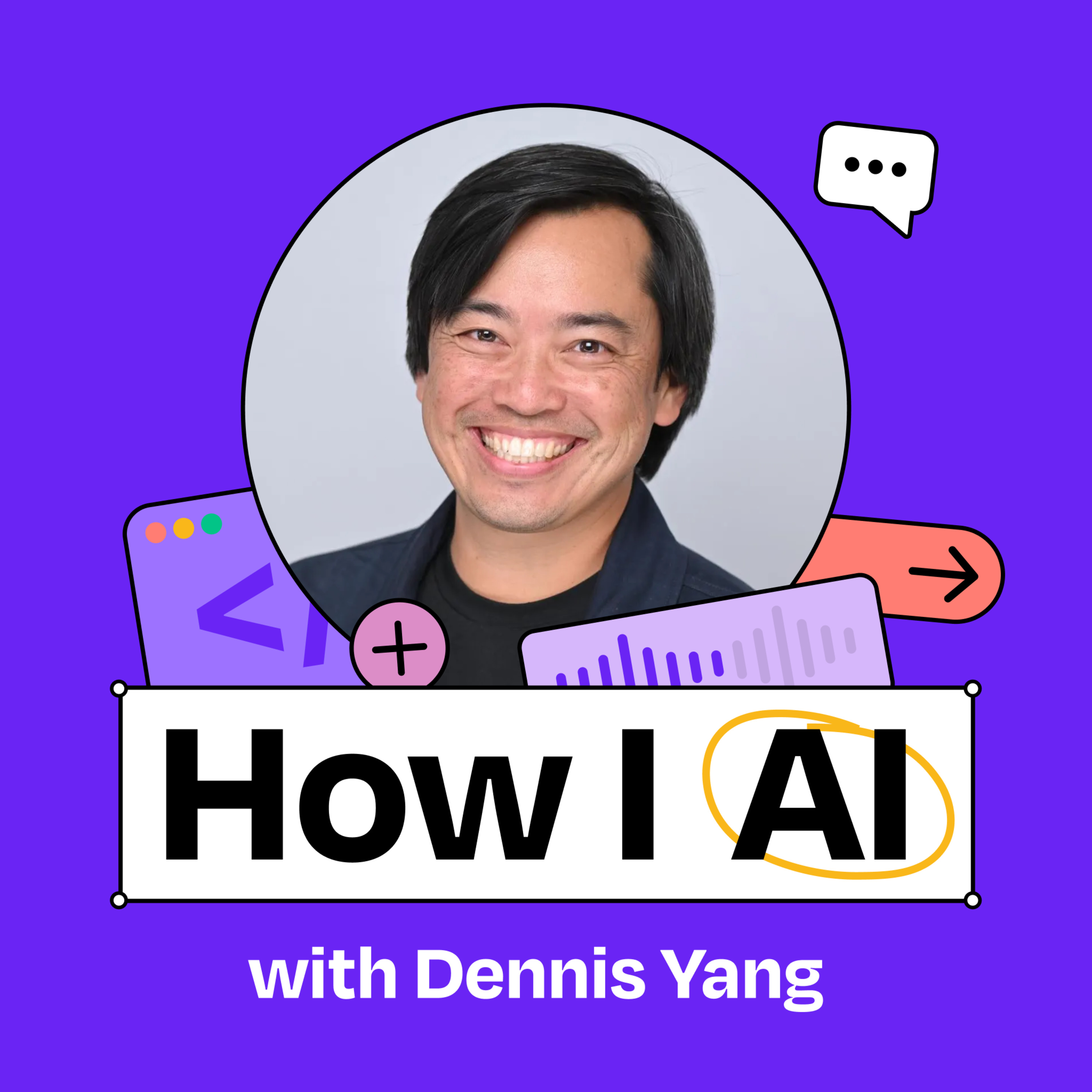
Simply offering the latest model is no longer a competitive advantage. True value is created in the system built around the model—the system prompts, tools, and overall scaffolding. This 'harness' is what optimizes a model's performance for specific tasks and delivers a superior user experience.

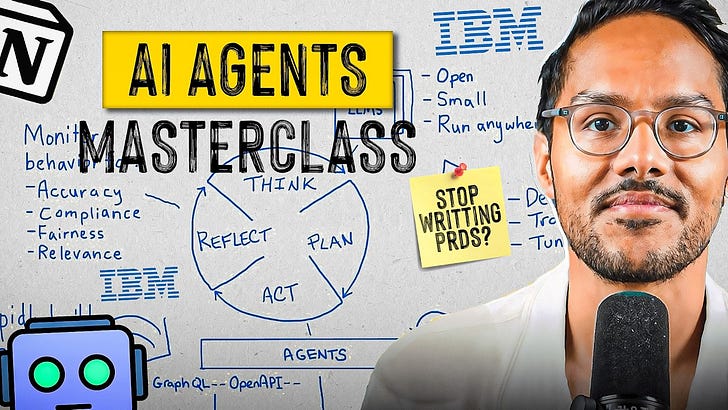
According to IBM's AI Platform VP, Retrieval-Augmented Generation (RAG) was the killer app for enterprises in the first year after ChatGPT's release. RAG allows companies to connect LLMs to their proprietary structured and unstructured data, unlocking immense value from existing knowledge bases and proving to be the most powerful initial methodology.
Overwhelmed by Slack messages and internal documents? Build a Zapier agent connected to your company's knowledge base. Feed it your job description and current projects, and the agent can proactively scan all communications and deliver a weekly summary of only the updates relevant to your specific role.
While ChatGPT still dominates (90% usage), Google Gemini has surged from 33% to 51% adoption in just one year. This rapid growth is likely driven by its deep integration into the Google Workspace ecosystem that businesses already use and pay for.

Before diving into SQL, analysts can use enterprise AI search (like Notion AI) to query internal documents, PRDs, and Slack messages. This rapidly generates context and hypotheses about metric changes, replacing hours of manual digging and leading to better, faster analysis.
Generic AI tools provide generic results. To make an AI agent truly useful, actively customize it by feeding it your personal information, customer data, and writing style. This training transforms it from a simple tool into a powerful, personalized assistant that understands your specific context and needs.

Salesforce's Chief AI Scientist explains that a true enterprise agent comprises four key parts: Memory (RAG), a Brain (reasoning engine), Actuators (API calls), and an Interface. A simple LLM is insufficient for enterprise tasks; the surrounding infrastructure provides the real functionality.

Go beyond the native summaries in conversation intelligence tools like Gong. Copy and paste the full transcript of a sales call into a generative AI like ChatGPT and ask for deeper insights, hidden objections, or recommended next steps. This cross-platform workflow can reveal nuances that a single tool might miss.
