Get your free personalized podcast brief
We scan new podcasts and send you the top 5 insights daily.
While fundraising in a collapsing market, Turbine's CEO faced immense pressure to pivot from a platform to a traditional biotech model. He credits their survival and success to sticking to their core vision, managing cash aggressively, and having the mental resilience to resist deviating.

Related Insights
During capital-constrained periods, founders must be ruthless in their focus. Every dollar and hour should go towards "killer experiments"—those that directly accrue value and hit the specific milestones required for the next fundraising round. "Cool science" that doesn't advance these goals is a luxury companies can't afford.
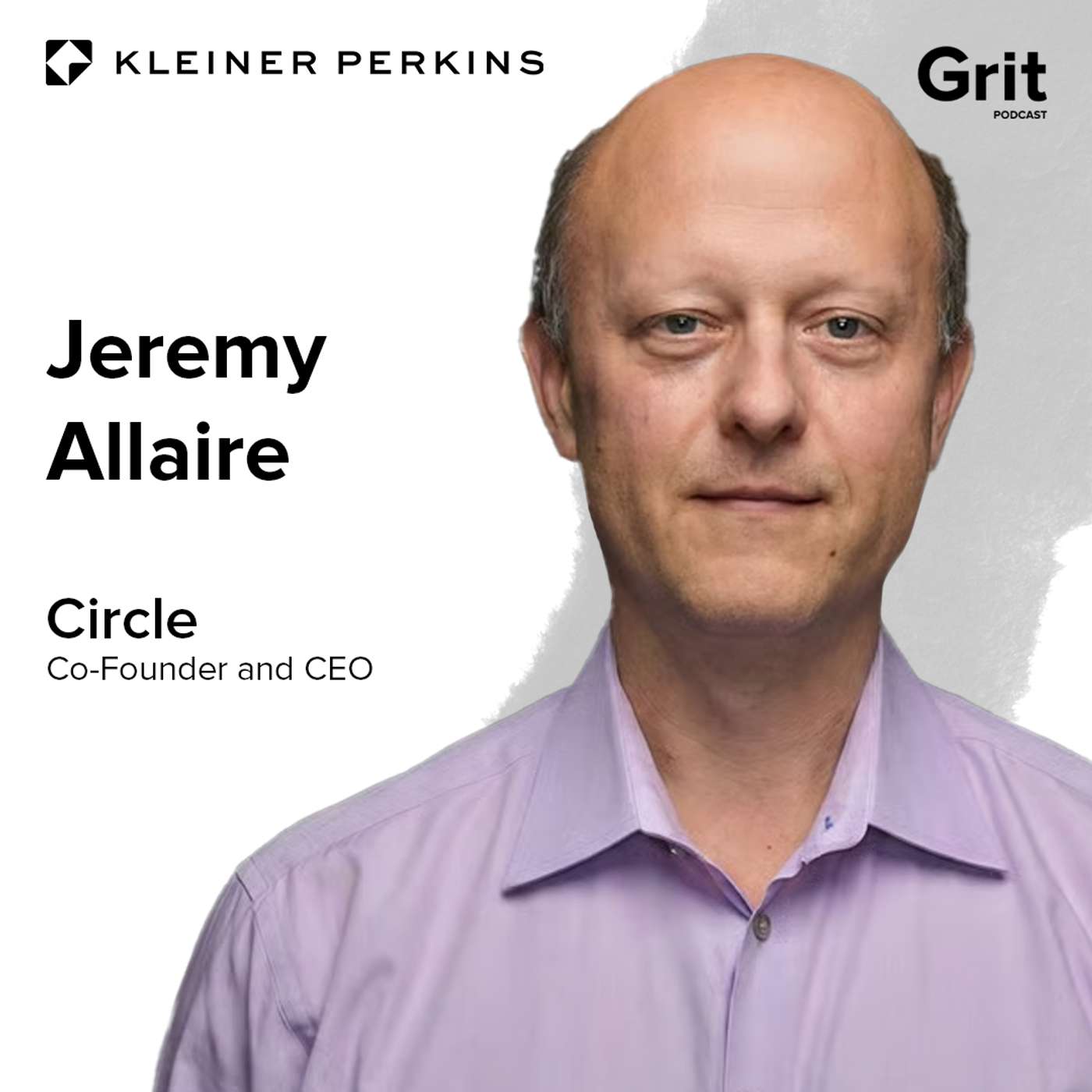
Facing a potential shutdown in 2019, Jeremy Allaire made the brutal decision to sell off non-core business units and reduce headcount from 450 to 59. This extreme focus on the core USDC product, despite the pain, saved the company and fueled its subsequent explosive growth.
While a challenging fundraising market seems negative, it forces startups to operate with discipline. Unlike in frothy markets where companies expand based on hype, the current climate rewards tangible results. This compels a lean structure focused on high-value projects, creating a healthier long-term business model.

While scientific acumen is valuable, the most critical trait for a biotech CEO is perseverance. The role involves weathering constant challenges where everyone—the board, investors, employees—can seem to be against you. An unwavering focus on the patient mission is essential to push through.

Instead of chasing trends or pivoting every few weeks, founders should focus on a singular mission that stems from their unique expertise and conviction. This approach builds durable, meaningful companies rather than simply chasing valuations.

When faced with an existential cost crisis, Ather's founder explored two pivots: a cheaper product and a software platform model. Both were dead ends. The ultimate solution was to resist the distraction of pivoting, stay the course, correct pricing, and fix the core operational issues of the original product.
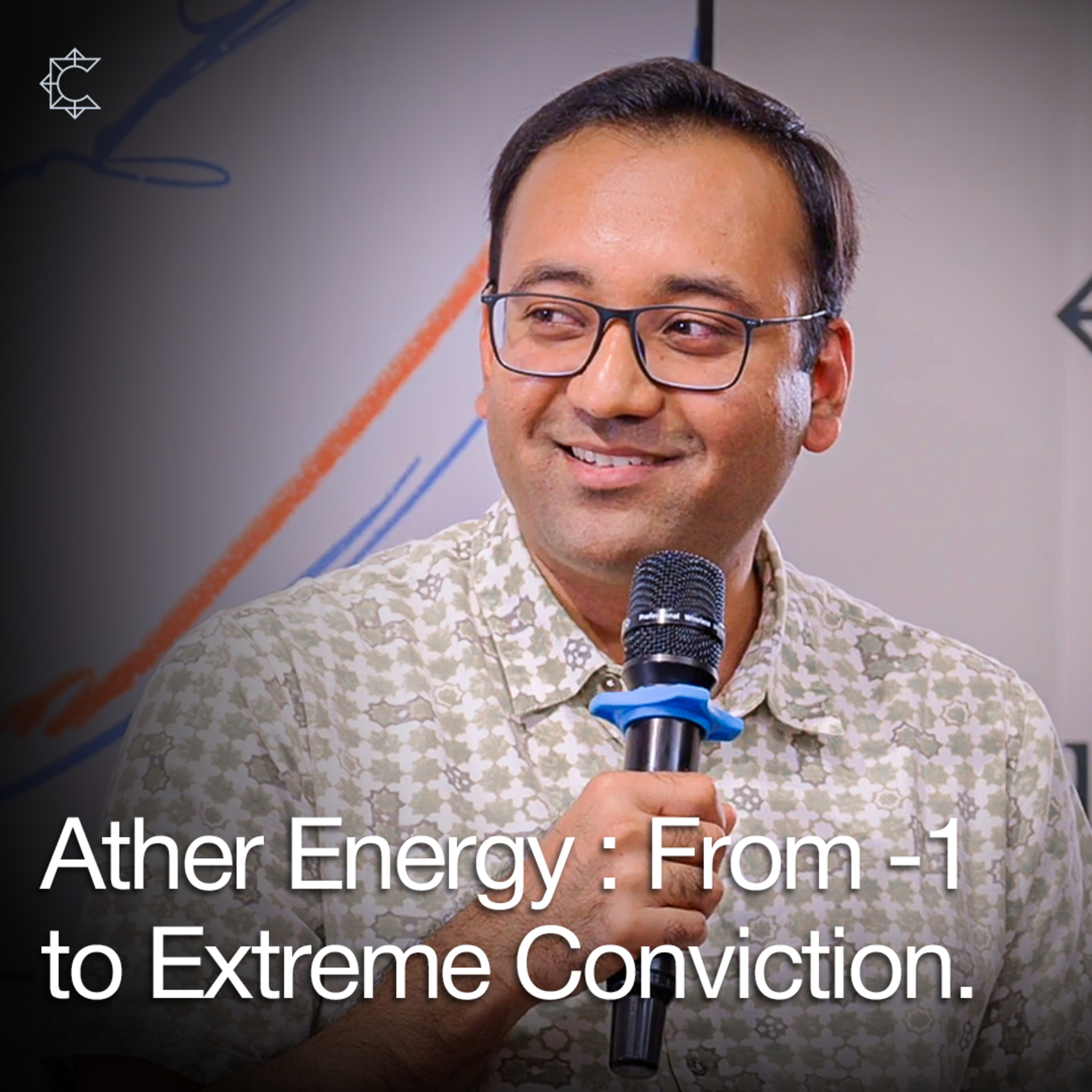
After personal tragedies caused a seed round to collapse, the founder's openness with investors and decision to self-fund the company demonstrated extreme resilience. This convinced his team to stay and even brought back previous investors, showcasing that founder conviction is a powerful signal.

VCs can handle pivots and financial struggles. Their primary nightmare is a founder who quits. A startup's ultimate survival hinges on the founder's psychological resilience and refusal to give up, not just market or product risk.

Beyond scientific knowledge, the most effective biotech CEOs possess a specific set of traits. They must be decisive, maintain ruthless capital discipline (even for small amounts), and consistently demonstrate strategic clarity, especially when facing the immense pressure inherent in the industry.

The willingness to start a company when capital is scarce and the macro environment is challenging is a powerful filter. It selects for founders with deep, intrinsic motivation ("a fire"), leading to a higher hit rate for investors who back them.