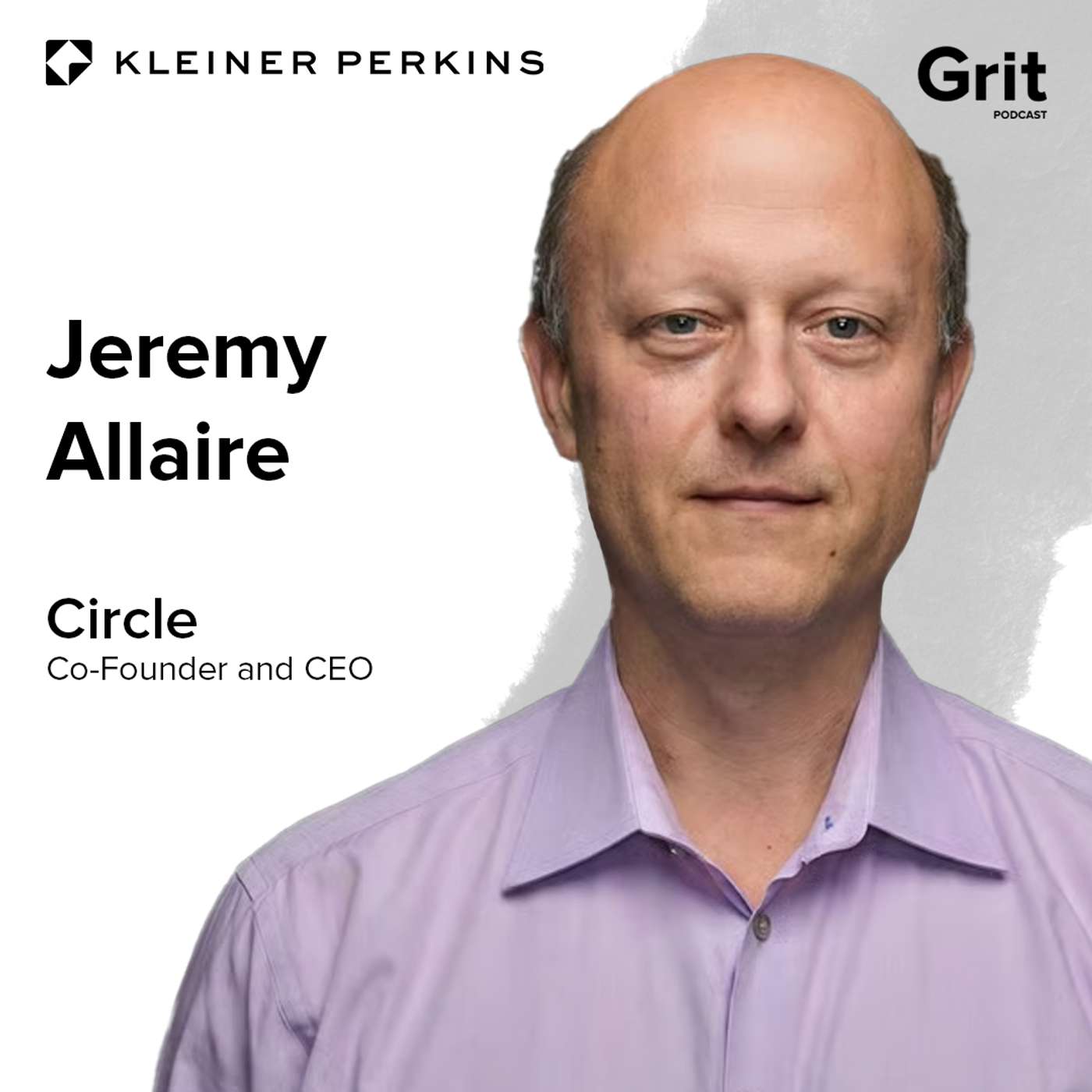
Jeremy Allaire is transparent with candidates about the industry's external skepticism and the job's difficulty. This filters for people motivated by the mission's hardness and the cognitive dissonance of building something revolutionary, ensuring a resilient, mission-aligned team.
For crucial hires, Jeremy Allaire offers to meet with their spouses. He believes securing a partner's understanding and buy-in for a demanding role is critical for a candidate's long-term success and stability, making it a key part of his recruitment process.
When facing the company's potential collapse, Jeremy Allaire mentally accepted the worst-case scenario. This practice of 'decatastrophizing'—imagining life after failure—freed him from paralyzing fear and enabled him to make the clear-headed, drastic decisions needed to save the business.
Facing a potential shutdown in 2019, Jeremy Allaire made the brutal decision to sell off non-core business units and reduce headcount from 450 to 59. This extreme focus on the core USDC product, despite the pain, saved the company and fueled its subsequent explosive growth.
Jeremy Allaire predicts that just as businesses moved online, they will now transition to being 'on-chain.' This means core corporate functions like contracts, governance, and financials will be executed by smart contracts and AI, fundamentally changing how corporations operate.
Unlike traditional banks that lend deposits multiple times, USDC is a 'full reserve' system. Every digital dollar is backed 1-to-1 by cash and short-term treasuries, eliminating lending risk. This 'narrow banking' model, now enshrined in law, offers a fundamentally safer financial instrument.
The immense pressure of building Circle took a physical toll on Jeremy Allaire. He responded by systematically improving his health—fitness, sleep, diet, mindfulness, and sobriety. He views peak personal wellness not as a luxury but as a necessary tool to absorb complexity and lead effectively.
Circle's choice of the 87th floor of One World Trade Center for its headquarters was a deliberate strategic statement. It physically places the company at the heart of the traditional financial world, signaling that they have 'arrived' and are a permanent, central player in the future of money.
While competitors faced government lawsuits, Circle remained unscathed by designing its business within existing legal frameworks for payment systems and electronic money. This proactive, compliance-first approach provided a defensive moat against the regulatory uncertainty that plagued the crypto industry.