Get your free personalized podcast brief
We scan new podcasts and send you the top 5 insights daily.
After personal tragedies caused a seed round to collapse, the founder's openness with investors and decision to self-fund the company demonstrated extreme resilience. This convinced his team to stay and even brought back previous investors, showcasing that founder conviction is a powerful signal.

Related Insights
During a pivot with no new product to show, Ladder's fundraising relied entirely on selling the team's conviction. Co-founder Tom Digan personally leading the round despite being financially stretched was the ultimate signal of "skin in the game" that convinced other investors to join.
![Tom Digan & Greg Stewart - Building the World’s Best Fitness App - [Invest Like the Best, EP.454] thumbnail](https://megaphone.imgix.net/podcasts/8459013c-f00c-11f0-ac98-fbad2fe189ee/image/d99352e9439af266dbb87c1efac1299f.jpg?ixlib=rails-4.3.1&max-w=3000&max-h=3000&fit=crop&auto=format,compress)
Ather faced three successive valuation cuts (40%, 50%, 65%) that would kill most startups. They retained their team by being radically transparent about finances, asking for voluntary pay cuts, and building trust by later rewarding those sacrifices with bonuses and equity at the lower valuations.
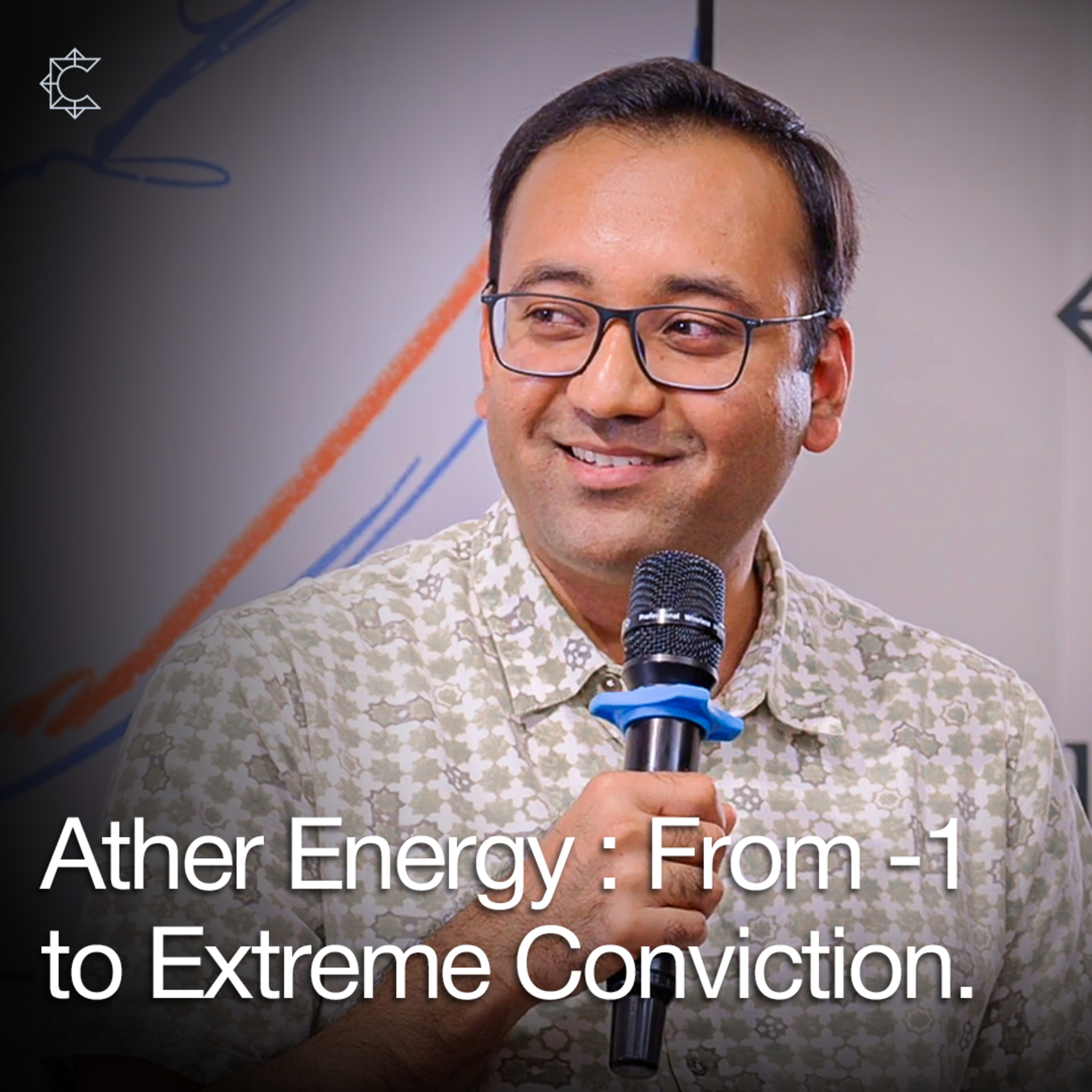
VCs can handle pivots and financial struggles. Their primary nightmare is a founder who quits. A startup's ultimate survival hinges on the founder's psychological resilience and refusal to give up, not just market or product risk.

After a major deal collapsed, leaving him in debt, Scott Heimendinger was only able to continue his multi-year project because his wife provided financial support and his friends provided crucial emotional encouragement to keep going.

When founders invest their own money, it signals an unparalleled level of commitment and belief. This act serves as a powerful 'magnetic pull,' de-risking the opportunity in the eyes of external investors and making them significantly more likely to commit their own capital.

A rising tide lifts all boats. The true test of a founder partnership emerges during downturns. Diligence should focus on teasing out traits like adaptability, humility, and accountability, which predict how a founder will react when plans inevitably go awry.

The most resilient founders are motivated by something beyond wealth, like proving doubters wrong (revenge) or recovering from a past failure (redemption). This drive ensures they persevere through tough times or when facing a massive buyout offer that a purely financially motivated person would accept.

The most driven entrepreneurs are often fueled by foundational traumas. Understanding a founder's past struggles—losing family wealth or social slights—provides deep insight into their intensity, work ethic, and resilience. It's a powerful, empathetic tool for diligence beyond the balance sheet.
![Martín Escobari - Inside General Atlantic - [Invest Like the Best, EP.449] thumbnail](https://megaphone.imgix.net/podcasts/90e6e3e6-c984-11f0-ae5f-27bb851bdc56/image/608fac468f77cb3014e96336896d96de.jpg?ixlib=rails-4.3.1&max-w=3000&max-h=3000&fit=crop&auto=format,compress)
Unlike typical founders, Wang has been transparent about the market's finances, even telling the Wall Street Journal about his losses. This candor, born from not expecting the project to last, became an accidental asset. It fostered trust and showed he wasn't exploiting the community, deepening his connection with vendors and patrons.

During a tough fundraising process, founders should remove emotion and ask themselves a critical question: 'Would I invest my entire personal fortune into this right now?' Answering 'yes' with rational conviction is the key to weathering rejections and ultimately persuading an anchor investor to make the first bet.