Get your free personalized podcast brief
We scan new podcasts and send you the top 5 insights daily.
The shared threat from Iran has pushed cooperation beyond covert intelligence sharing to a public, operational military alliance. The Israeli Defense Forces' chief of staff is now in daily contact with counterparts in Arab nations, representing a historic realignment in Middle East security architecture.

Related Insights
Beyond the immediate conflict, Israeli strategists see a long-term opportunity. If the current regime falls, they hope to restore the strong alliance that existed with non-Arab Iran before the 1979 Islamic Revolution, which was based on shared regional interests.

The US, under President Trump, is shifting focus to securing energy interests in its conflict with Iran, even redefining "regime change" to claim victory. This pragmatic pivot clashes with Israel's steadfast goal of completely weakening the Iranian regime, creating a significant strategic divergence and leaving Israeli security interests potentially unaddressed.

The CIA has been significantly degraded, with estimates suggesting 65% of its intelligence now comes from foreign allies. For Iran specifically, the US is highly dependent on Israel's superior intelligence network, raising questions about whether Israeli interests are directing US military actions.

While the war highlights the danger of the US partnership, Gulf states are counterintuitively forced to deepen their reliance on American military support for immediate defense. This creates a strategic paradox: they need the US for short-term survival but see the alliance as a long-term liability.

The US decision to sell its most advanced fighter jets to Saudi Arabia marks a significant shift in regional military dynamics. This move worries Israel, which relies on its technological military edge to maintain its status as a regional power, signaling a potential realignment of power in the Middle East.
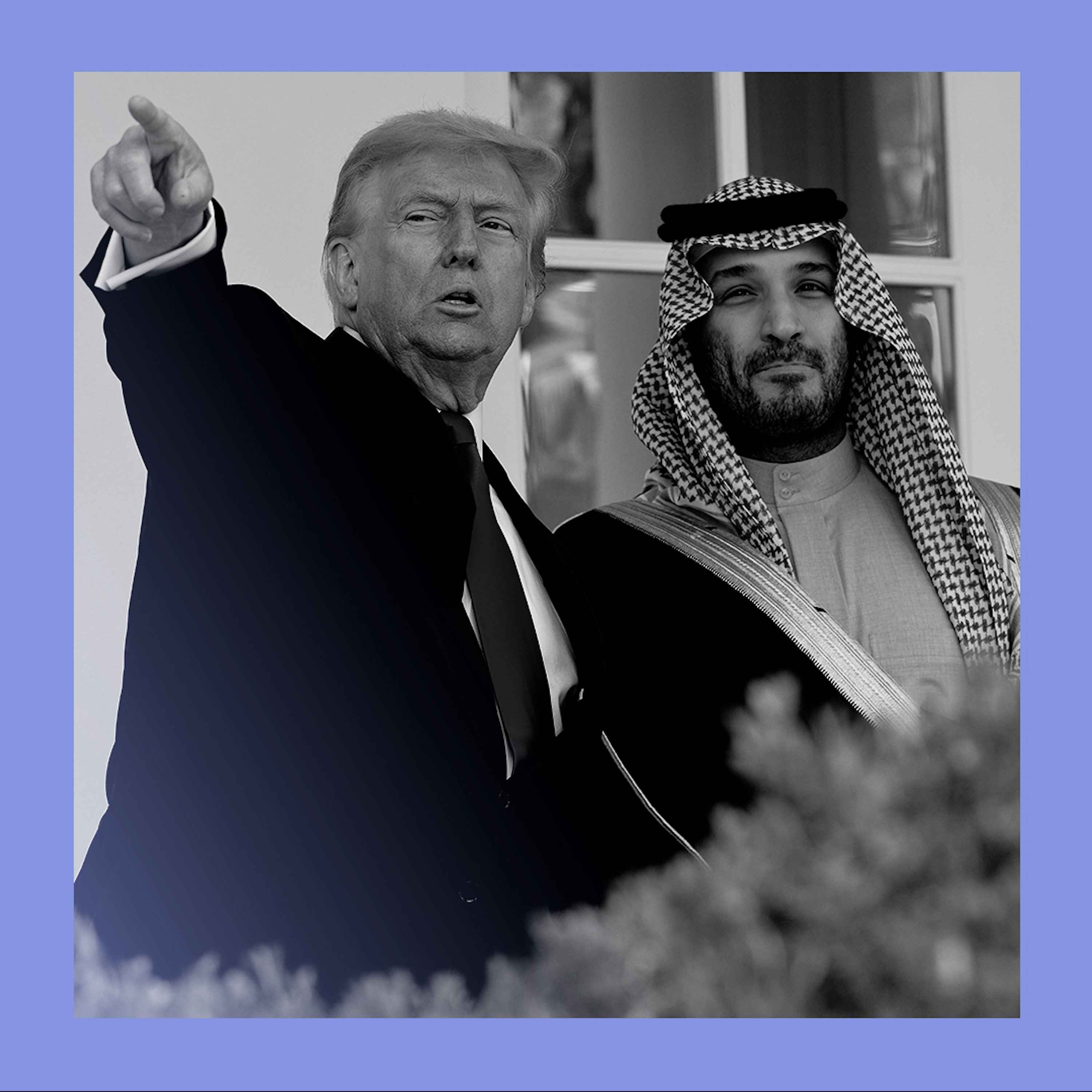
Key US allies have incentives for America to enter a conflict with Iran but not win decisively. The ideal outcome for them is a weakened Iran and a distracted, overextended America that is more dependent on their cooperation. This subverts the simple narrative of a unified coalition, revealing a complex web of self-interest.

Feeling exposed by a US they perceive as prioritizing Israel's defense, Gulf states are pursuing a "portfolio approach" to security. This involves creating smaller, multi-country defense pacts with nations like Pakistan, Turkey, and South Korea to build resilience beyond their traditional alliance with Washington.

Iran's attempt to sow regional instability by attacking nine Arab countries backfired. Instead of creating chaos, these militarily insignificant 'pinprick' attacks eliminated neutrality and pushed Gulf states to fully support the US-Israeli mission against Iran, viewing it as a necessary response.
Despite a united military front against Iran, the US and Israel have divergent long-term goals. The Trump administration aims for a "Venezuela outcome"—a controlled regime ensuring oil flow—while Netanyahu's government is focused on total regime change, creating potential for a future strategic clash.
Gulf nations do not simply align with Israel against Iran. They perceive Israel's increasing military aggression as a destabilizing force, just as they do Iran's actions. They feel caught between two dangerous and unpredictable actors, with both threatening their national interests and economic diversification plans.