Get your free personalized podcast brief
We scan new podcasts and send you the top 5 insights daily.
When investing in controversial sectors like gambling, the key challenge isn't just LP approval. It's having the conviction to publicly stand by founders when they face regulatory attacks, as seen with the New York AG's attempt to shut down DraftKings.

Related Insights
In heavily regulated or legally ambiguous industries, a founder's most valuable asset can be political connections. One startup literally used a pitch deck slide showing its co-founder with prominent politicians to signal their ability to influence future legislation in their favor. This represents a stark, real-world "crony capitalism" business strategy.

Most VCs are emotionally uncomfortable underwriting stigmatized markets like addiction. This creates a significant opportunity for investors with personal experience or deep conviction. These overlooked markets harbor alpha because the lack of investor competition suppresses valuations and allows for outsized returns.

True investment courage isn't just writing the first check; it's being willing to invest again in a category after a previous investment failed. Many investors become biased and write off entire sectors after a single bad experience, but enduring VCs understand that timing and team make all the difference.

The podcast highlights a controversial trend within Andreessen Horowitz's Speed Run accelerator. Portfolio companies operate in morally ambiguous spaces, including sports wagering for minors ("Cheddar"), AI-powered social media bot farms ("Double Speed"), and gambling to pay off credit card debt ("Covered"), sparking debate about VC ethics.

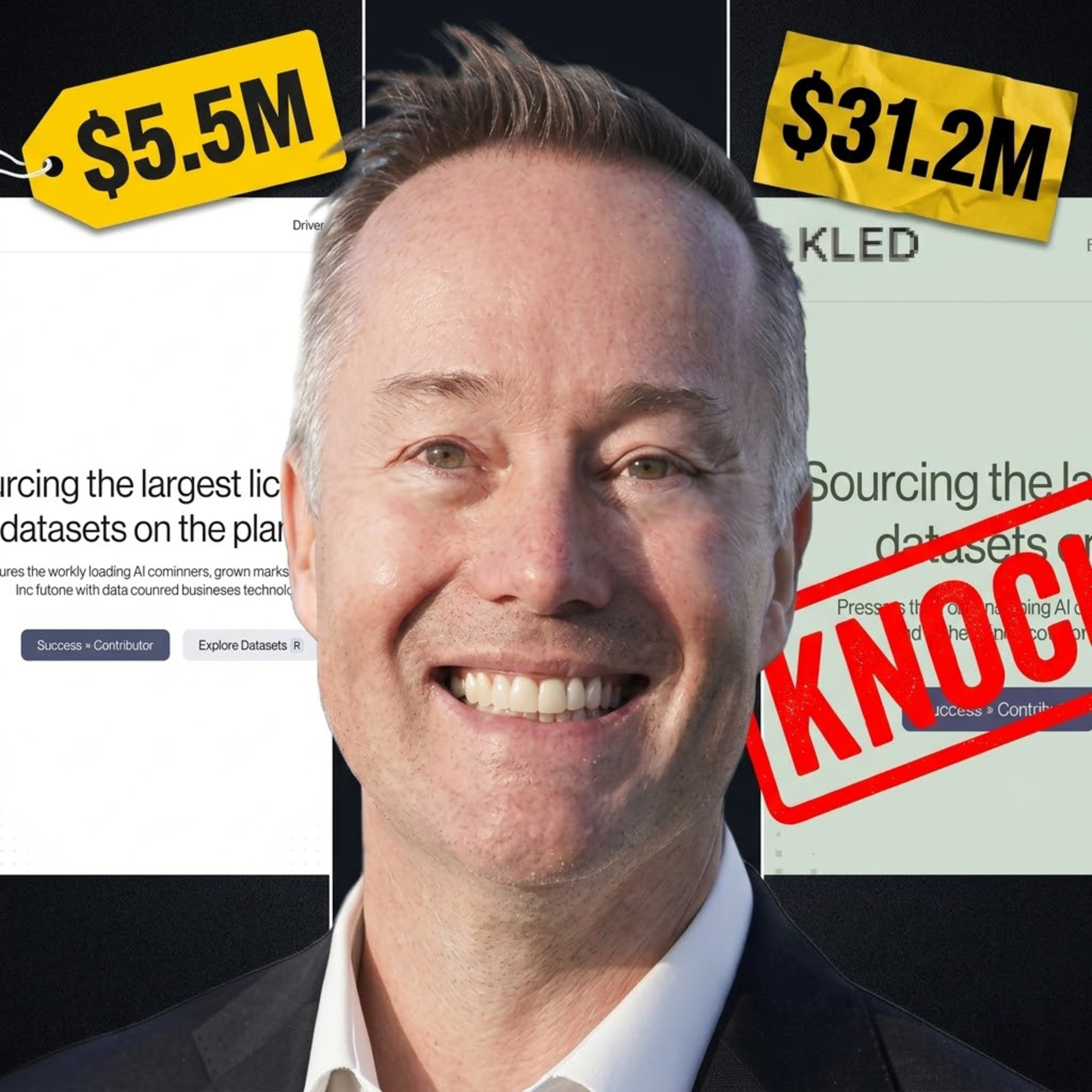
When Kled's founder publicly called out a competitor and their VC, his investors' initial reaction was fear, telling him to take the post down. However, after seeing the public support, they quickly reversed course and backed his aggressive stance.
Investing in founders like Rippling's Parker Conrad or Anduril's Palmer Luckey post-controversy is a bet that the media narrative was wrong and they were unfairly 'thrown under the bus.' It's a high-conviction strategy focused on backing resilient individuals who emerge from public firestorms stronger and more focused.
The most valuable and defensible investment opportunities often lie in areas that are critical for human progress but are culturally taboo, like primate testing for biotech. These markets are starved of capital due to fear of public perception, creating a vacuum for investors willing to withstand criticism.

The bull thesis for DraftKings relies on one of three potential legal or regulatory outcomes against prediction markets: new Congressional legislation, a Supreme Court ruling clarifying state jurisdiction (seen as most likely), or a future, more aggressive CFTC.

Advocating for founders sometimes requires direct confrontation. During the SVB crisis, Ron Conway didn't just advise; he directly pressured the heads of congressional banking committees, telling them they would be responsible for a worldwide crisis if they didn't act. This "fearless" approach is crucial in high-stakes situations.

When facing new regulation in emerging fields like prediction markets, DraftKings' CEO prioritizes building consensus within the industry first. He believes a unified industry voice is more effective in collaborating with regulators than individual companies pushing their own agendas.
