Get your free personalized podcast brief
We scan new podcasts and send you the top 5 insights daily.
M&A is driven by CEO confidence, which is heavily influenced by the regulatory environment. A subtle shift in regulatory posture from a definitive 'no' to a 'maybe' is enough to unlock massive pent-up demand for transformative deals, potentially leading to a historic year for M&A.

Related Insights
A restrictive stance on mergers and acquisitions stifles the entire startup ecosystem by removing viable exit paths. Allowing M&A to flourish provides the liquidity events that encourage venture capitalists to deploy risk capital into the next generation of innovative companies.

David Solomon expresses extreme optimism for dealmaking, citing a robust backlog and active client dialogues. Barring a major exogenous shock, he anticipates 2026 could surpass previous records for M&A activity, driven by a more constructive regulatory environment and strong CEO confidence.

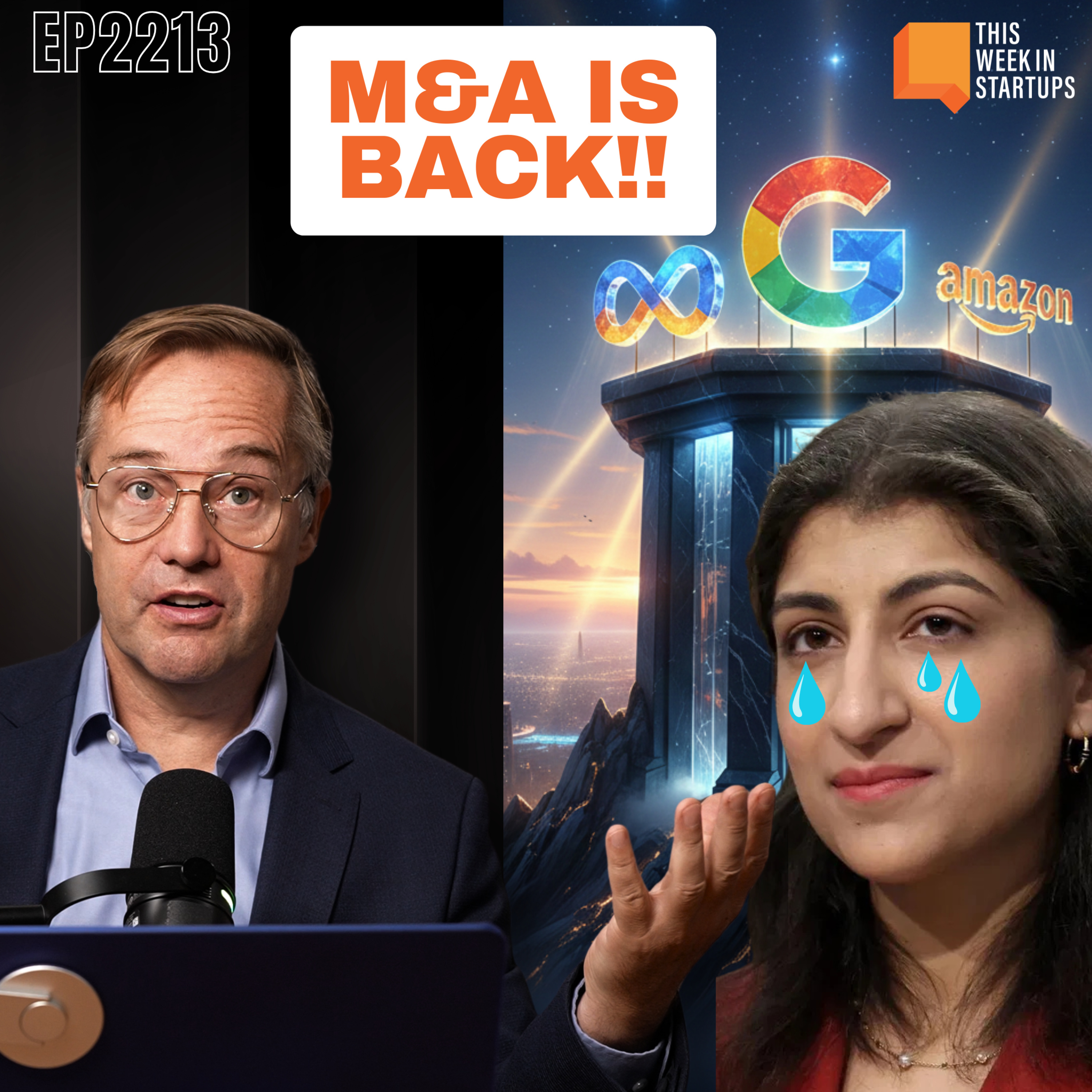
Recent antitrust lawsuits against Meta and Google resulted in minimal consequences ("nothing burgers"), signaling a more permissive regulatory environment. Combined with anticipated economic stimulus, this creates ideal conditions for a wave of large-scale M&A ($25B-$250B) among major tech companies in the coming year.
A surge in IPOs and M&A isn't driven by pro-business policies, but by a reduction in policy uncertainty. With a clearer, albeit more interventionist, landscape, companies have the confidence to execute major strategic plans they had previously postponed.

Contrary to a slow market narrative, deal flow has sharply accelerated. Blackstone's Michael Zwadsky revealed that August 2024 was the firm's biggest investment committee month in three years, and the summer was the third most active for M&A since 2008, signaling a real inflection point for transactions.

Despite geopolitical risk and economic uncertainty, M&A is surging because companies are executing on long-term (20-30 year) strategic repositioning plans conceived post-COVID. When capital markets open, even briefly, companies are quick to act on these dormant, high-conviction plans, ignoring near-term volatility.
A rare alignment of accommodative M&A regulations in both the U.S. and Europe is creating a sense of urgency for companies. This "permissive window" may not last, compelling businesses to pursue transactions now rather than later.
Meta's victory over the FTC's antitrust challenge is not just a legal footnote; it signals the end of a highly restrictive regulatory era. This will likely trigger a massive wave of M&A, as large tech companies are now emboldened to acquire stagnant, late-stage private "unicorns" that have been stuck without an exit path.

M&A activity is not constant; it ebbs and flows with the political climate. Administrations perceived as "anti-M&A" can significantly slow deals. Founders looking for a strategic acquisition should consider the current political cycle as a key factor in their exit timing.
A surge in capital expenditure indicates rising corporate confidence and, more importantly, a strategic pivot. Companies are moving away from passive stock repurchases, showing an urgency to pursue active growth through investments and acquisitions.