Get your free personalized podcast brief
We scan new podcasts and send you the top 5 insights daily.
A rare alignment of accommodative M&A regulations in both the U.S. and Europe is creating a sense of urgency for companies. This "permissive window" may not last, compelling businesses to pursue transactions now rather than later.

Related Insights
Recent antitrust lawsuits against Meta and Google resulted in minimal consequences ("nothing burgers"), signaling a more permissive regulatory environment. Combined with anticipated economic stimulus, this creates ideal conditions for a wave of large-scale M&A ($25B-$250B) among major tech companies in the coming year.
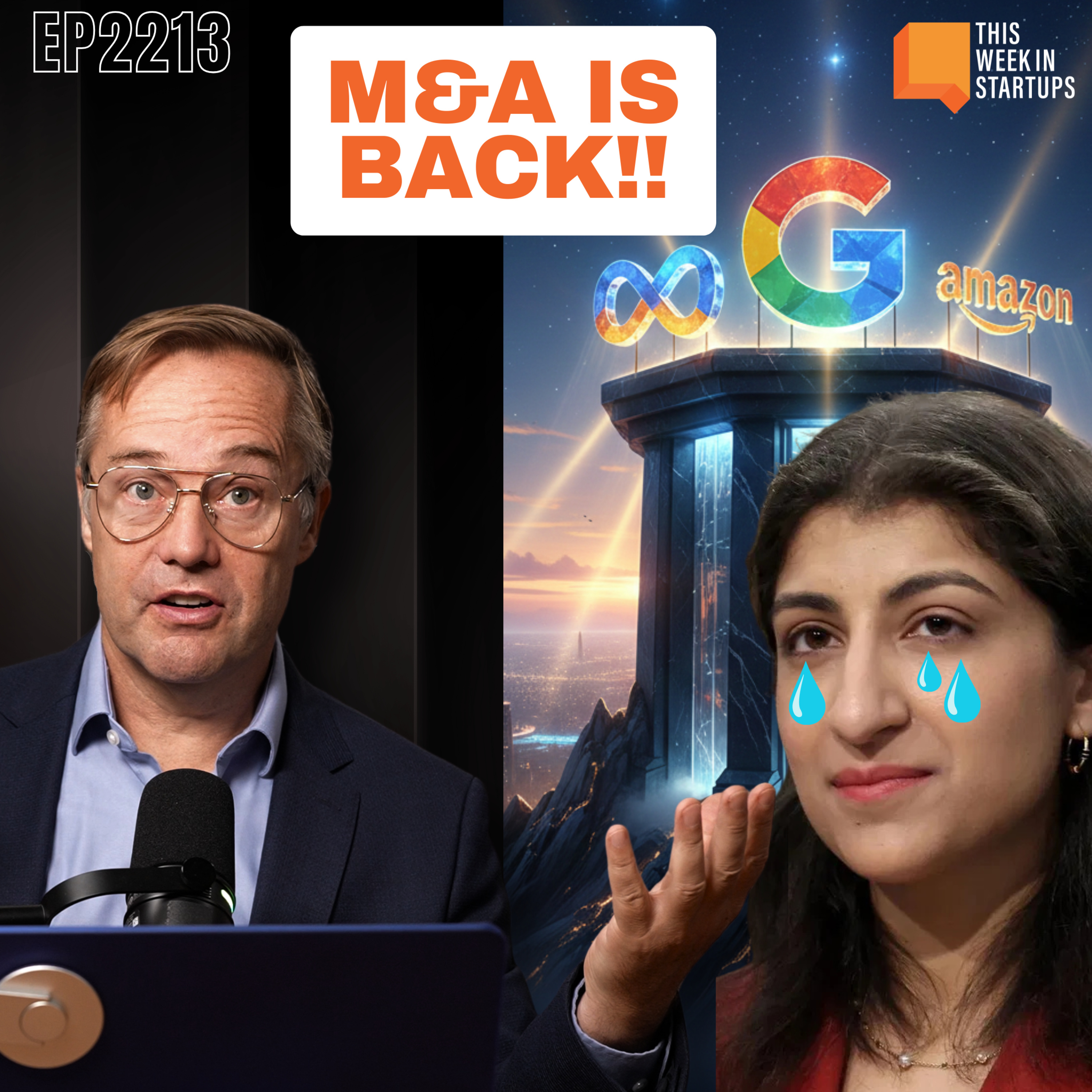
As traditional economic-based antitrust enforcement weakens, a new gatekeeper for M&A has emerged: political cronyism. A deal's approval may now hinge less on market concentration analysis and more on a political leader’s personal sentiment towards the acquiring CEO, fundamentally changing the risk calculus for corporate strategists.

Contrary to a slow market narrative, deal flow has sharply accelerated. Blackstone's Michael Zwadsky revealed that August 2024 was the firm's biggest investment committee month in three years, and the summer was the third most active for M&A since 2008, signaling a real inflection point for transactions.

While deal teams celebrate fast approvals, it can create a crisis for integration leads. Cisco's Splunk deal closed six months sooner than expected, forcing an acceleration of complex integration planning. This compression puts pressure on synergy timelines, as execution must begin immediately at close without the anticipated planning runway.

Despite geopolitical risk and economic uncertainty, M&A is surging because companies are executing on long-term (20-30 year) strategic repositioning plans conceived post-COVID. When capital markets open, even briefly, companies are quick to act on these dormant, high-conviction plans, ignoring near-term volatility.

A proposed government service would allow companies to pay for a pre-vetted antitrust assessment before announcing a merger. This "TSA Pre-Check" for deals would involve independent reports and a public interest test, aiming to streamline the process, reduce political favoritism, and avoid lengthy, uncertain reviews.

Meta's victory over the FTC's antitrust challenge is not just a legal footnote; it signals the end of a highly restrictive regulatory era. This will likely trigger a massive wave of M&A, as large tech companies are now emboldened to acquire stagnant, late-stage private "unicorns" that have been stuck without an exit path.

The current M&A landscape is defined by a valuation disparity where smaller companies trade at a discount to larger ones. This creates a clear strategic incentive for large corporations to drive growth by acquiring smaller, more affordable competitors.
A surge in capital expenditure indicates rising corporate confidence and, more importantly, a strategic pivot. Companies are moving away from passive stock repurchases, showing an urgency to pursue active growth through investments and acquisitions.
The FTC's failure to prove Meta held a monopoly set a powerful legal precedent, signaling that regulators face a high burden of proof. This has effectively given a green light to large-scale acquisitions, kicking off a "golden age of M&A" as companies feel emboldened to pursue mega-deals without fear of being blocked.
