Get your free personalized podcast brief
We scan new podcasts and send you the top 5 insights daily.
A surge in IPOs and M&A isn't driven by pro-business policies, but by a reduction in policy uncertainty. With a clearer, albeit more interventionist, landscape, companies have the confidence to execute major strategic plans they had previously postponed.

Related Insights
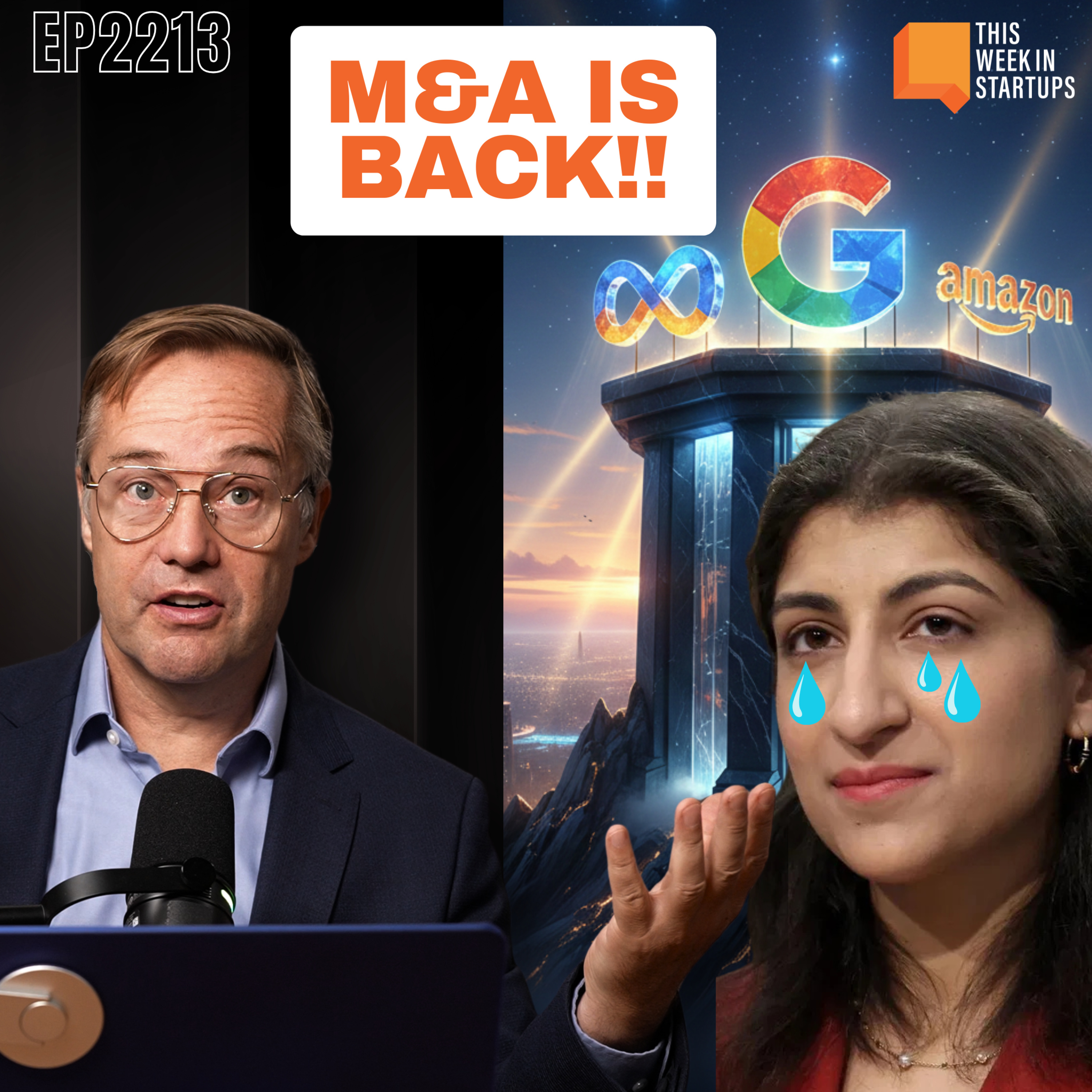
Recent antitrust lawsuits against Meta and Google resulted in minimal consequences ("nothing burgers"), signaling a more permissive regulatory environment. Combined with anticipated economic stimulus, this creates ideal conditions for a wave of large-scale M&A ($25B-$250B) among major tech companies in the coming year.
The term 'private equity' is now insufficient. The M&A market's capital base has expanded to include sovereign wealth funds and large, tech-generated family offices that invest directly or co-invest like traditional PE firms. This diversification creates a larger, more resilient pool of capital for deals.

Contrary to a slow market narrative, deal flow has sharply accelerated. Blackstone's Michael Zwadsky revealed that August 2024 was the firm's biggest investment committee month in three years, and the summer was the third most active for M&A since 2008, signaling a real inflection point for transactions.

Unlike the post-GFC era, governments now lack the fiscal and monetary flexibility to cushion every economic shock due to high debt levels. This is forcing global markets to trade on their own fundamentals again, creating volatility and relative value opportunities reminiscent of the pre-2008 era.

Despite geopolitical risk and economic uncertainty, M&A is surging because companies are executing on long-term (20-30 year) strategic repositioning plans conceived post-COVID. When capital markets open, even briefly, companies are quick to act on these dormant, high-conviction plans, ignoring near-term volatility.
A rare alignment of accommodative M&A regulations in both the U.S. and Europe is creating a sense of urgency for companies. This "permissive window" may not last, compelling businesses to pursue transactions now rather than later.
The expected wave of M&A and LBOs has not materialized, leaving the deal pipeline thin. This lack of new debt supply provides a strong supportive backdrop for credit spreads, allowing the market to absorb geopolitical volatility more easily than fundamentals would otherwise suggest.
Despite what is described as "stupid" and "sclerotic" economic policies like tariffs and trade wars, the U.S. economy continues to grow. This resilience is not due to government strategy but to the relentless daily innovation of American businesses, which succeed in spite of, not because of, macro-level decisions.

A surge in capital expenditure indicates rising corporate confidence and, more importantly, a strategic pivot. Companies are moving away from passive stock repurchases, showing an urgency to pursue active growth through investments and acquisitions.
The US economy is seeing a rare combination of high government deficits, massive AI-driven corporate investment, and bank deregulation. If the Federal Reserve also cuts rates based on labor market fears, this confluence of fiscal, corporate, and monetary stimulus could ignite unprecedented corporate risk-taking if growth holds up.