Get your free personalized podcast brief
We scan new podcasts and send you the top 5 insights daily.
YouTube is reintroducing guaranteed payments for top creators, a tactic it used 15 years ago with networks like Maker Studios. This is not a new innovation but a cyclical, defensive strategy to prevent its biggest stars from being poached by competitors like Netflix and Disney.

Related Insights
While platforms like YouTube and Netflix have been converging by competing for the same creators and content, the rise of AI could drive them apart again. As YouTube leans into AI tools and user-generated content, Netflix may double down on its curated, high-production identity, re-establishing a clear strategic distance between the two.
Unlike newer platforms with opaque payout systems, YouTube is locked into a 55% revenue share with creators. Hank Green suggests this is now seen as a strategic mistake by YouTube, a system so entrenched that changing it would cause a massive creator revolt, giving creators unique leverage.

Traditional media companies are turning to successful YouTube creators to source proven concepts and talent. They offer upfront capital to scale existing YouTube IP into larger productions, creating a symbiotic relationship between once-separate platforms.

Platforms like YouTube intentionally design their algorithms to foster a wide base of mid-tier creators rather than a few dominant mega-stars. This is a strategic defense mechanism to reduce the leverage of any single creator. By preventing individuals from overshadowing the platform, YouTube mitigates the risk of widespread advertiser boycotts stemming from a controversy with one top personality, as seen in past 'Adpocalypses'.

Ben Smith compares YouTube's model to Uber's, arguing it's designed to deal with individual creators, not organized media companies. This "atomization" prevents creators from forming collectives that could negotiate with or exert leverage over the platform, ensuring YouTube retains ultimate power and control.
Unlike studios risking billions on upfront investments, YouTube only pays for successful content via revenue sharing. Creators then reinvest this money into better productions, improving the platform's overall quality and capturing more audience attention in a virtuous, self-funding cycle.
When podcasters move their video shows to Netflix, they're making a strategic trade-off. They give up the vast, organic reach of YouTube in exchange for significant upfront payments and the brand cachet of being on the Netflix platform.

YouTube's decision to share 55% of ad revenue with creators on a video-by-video basis was a novel concept that has since distributed over $100 billion. This business model was the fundamental economic engine that built an entirely new class of entrepreneurs and established the creator economy.

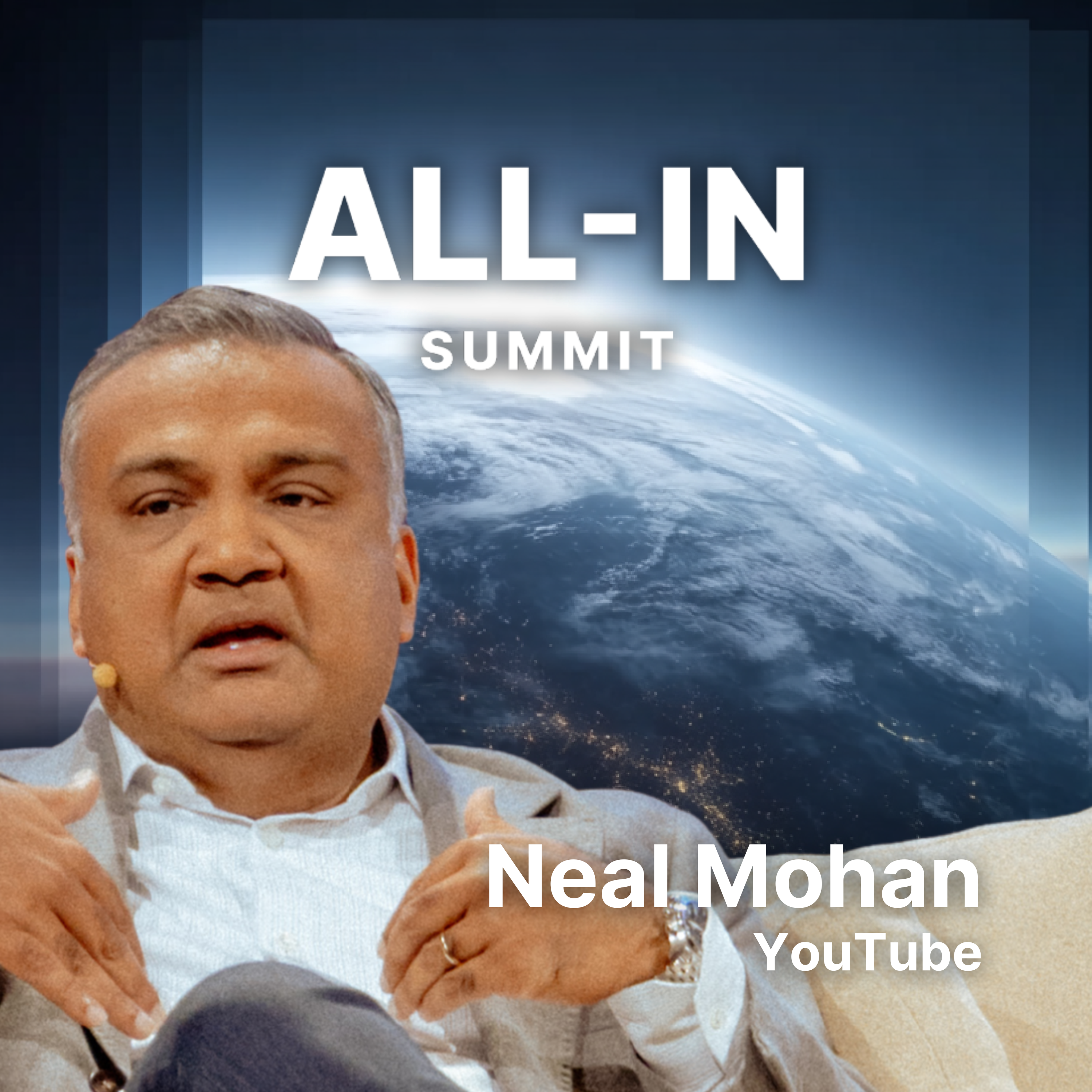
Neal Mohan defends YouTube's revenue split by positioning it as a model where creators bet on their own growth, contrasting with traditional media's upfront payments. For top creators who self-monetize, he frames this as a flexible choice, not a platform weakness, allowing them to select the model that best suits their business.
By raising the requirements for its Partner Program, YouTube aims to be reclassified from a 'digital' to a 'TV' budget category in marketers' minds. This shift toward more premium, established creators is a strategic play to compete with Netflix and traditional TV for much larger advertising allocations.