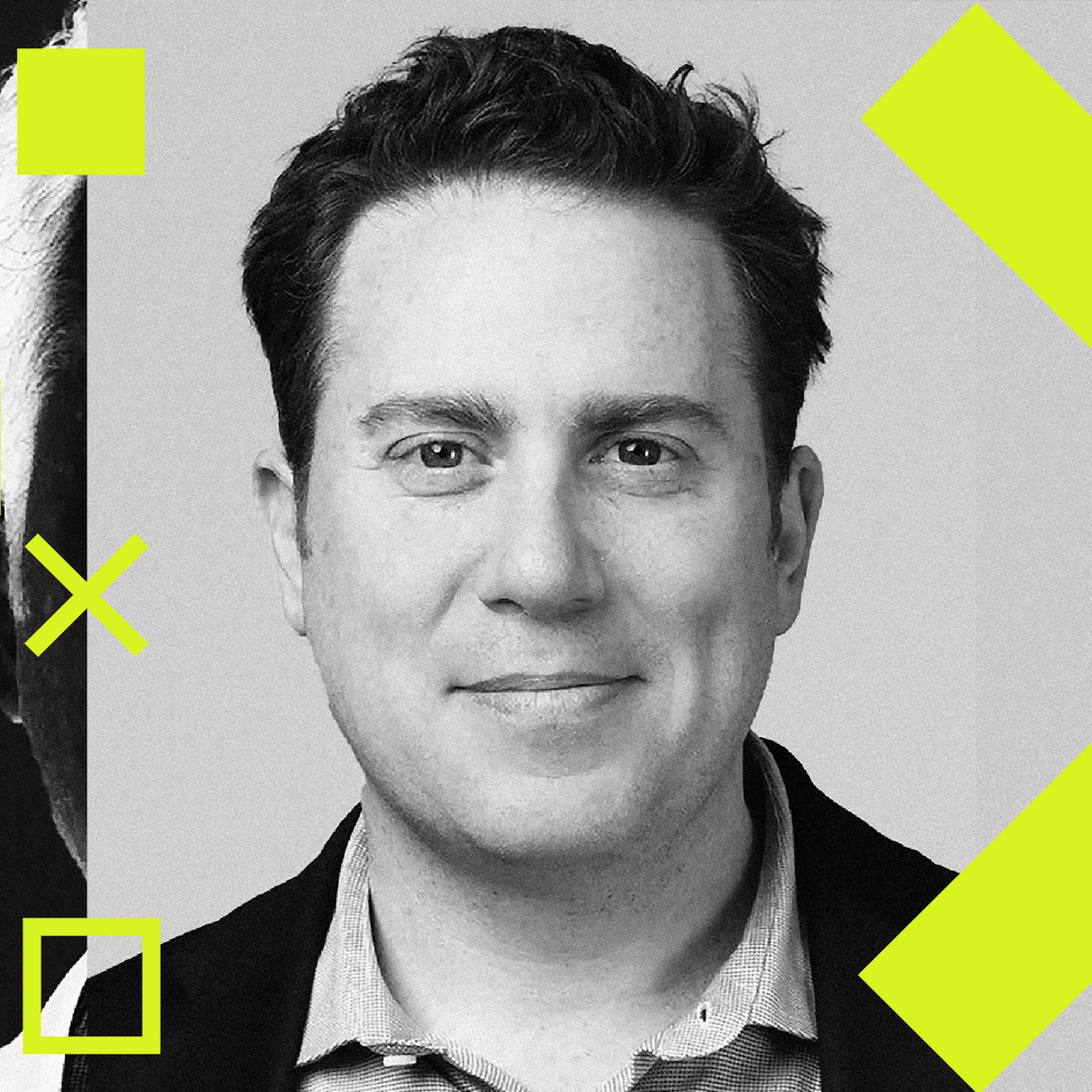
Ben Smith's media company, Sema4, intentionally avoids the mass-traffic model that doomed BuzzFeed. By targeting a niche, high-value audience, it achieves profitability through large-scale events and focused advertising, proving smaller, targeted reach can be more lucrative.
Sema4 prioritized its "convening" (events) business at launch because it can be monetized and scaled to profitability faster than a digital ad business, which requires a long-term audience build-out. This strategy provides a stable revenue base from day one.
The "Semaform" explicitly breaks articles into facts, the reporter's analysis, and a dissenting view. Ben Smith argues this respects sophisticated readers who are tired of journalists smuggling their opinions through biased "expert" quotes, thus building transparency and trust.
Ben Smith argues that while distribution channels (like social video) pull content towards polarization for maximum engagement, a quality media brand must build the discipline to resist this pull. The focus should be on the target audience's needs, not the platform's algorithm.
To build community and excitement for major events, media outlets like Sema4 put newsmakers (e.g., top CEOs) on "advisory boards." Ben Smith defends the practice as standard, arguing journalistic independence is maintained, but it creates a clear ethical tension between booking and covering powerful figures.
Ben Smith argues that journalists often mistakenly tiptoe around tough questions with CEOs and politicians. In reality, these leaders are eager to engage on the core challenges of their business, finding it more interesting than reciting canned anecdotes. Hard questions lead to better content.
Ben Smith compares YouTube's model to Uber's, arguing it's designed to deal with individual creators, not organized media companies. This "atomization" prevents creators from forming collectives that could negotiate with or exert leverage over the platform, ensuring YouTube retains ultimate power and control.
Unlike media-paranoid tech leaders of the past, Ben Smith observes that the new generation of AI CEOs (e.g., Sam Altman, Jensen Huang) are "showmen" akin to Steve Jobs. They actively engage with and leverage media as a powerful sales and narrative-shaping channel, not as an adversary.
Ben Smith’s leadership approach is to make a high volume of decisions very quickly to maintain momentum. The critical safeguard is to surround himself with trusted experts, listen intently to their feedback, and be willing to rapidly reverse course when a decision proves wrong.
According to Ben Smith, the most defensible parts of reporting are gathering new information not yet on the internet and communicating it with human insight. The "production" work in between—synthesis, summarizing, drafting—is highly vulnerable to AI automation, making original sourcing more critical than ever.
Ben Smith notes that audience pressure isn't always negative. He gives an example of influencers at the Pentagon who, pushed by their followers' skepticism about a potential war, ended up grilling officials more intensely than established journalists. The audience demand for accountability created journalism.
Ben Smith argues that while media companies must relentlessly innovate in their business models and products, ethics is the one domain where they should be highly conservative. Core principles like journalistic independence are the foundation of trust and value, and "innovating" them away is a fatal mistake.