Get your free personalized podcast brief
We scan new podcasts and send you the top 5 insights daily.
Unlike newer platforms with opaque payout systems, YouTube is locked into a 55% revenue share with creators. Hank Green suggests this is now seen as a strategic mistake by YouTube, a system so entrenched that changing it would cause a massive creator revolt, giving creators unique leverage.

Related Insights
Elite YouTube creators aren't just passive recipients of ad revenue. They actively buy their own ad inventory from YouTube and then resell it directly to brands, packaging it like traditional TV with guaranteed "adjacency" to specific content. This strategy dramatically increases monetization and business valuation.
![Media M&A - [Business Breakdowns, EP.230] thumbnail](https://megaphone.imgix.net/podcasts/8404be2a-a3c6-11f0-9d01-7b00b28a9d50/image/9a48597af1149c3b024e8d2f7327aa89.jpg?ixlib=rails-4.3.1&max-w=3000&max-h=3000&fit=crop&auto=format,compress)
YouTube's content rules change weekly without warning. A sudden demonetization or age-restriction can cripple an episode's reach after it's published, highlighting the significant platform risk creators face when distribution is controlled by a third party with unclear policies.
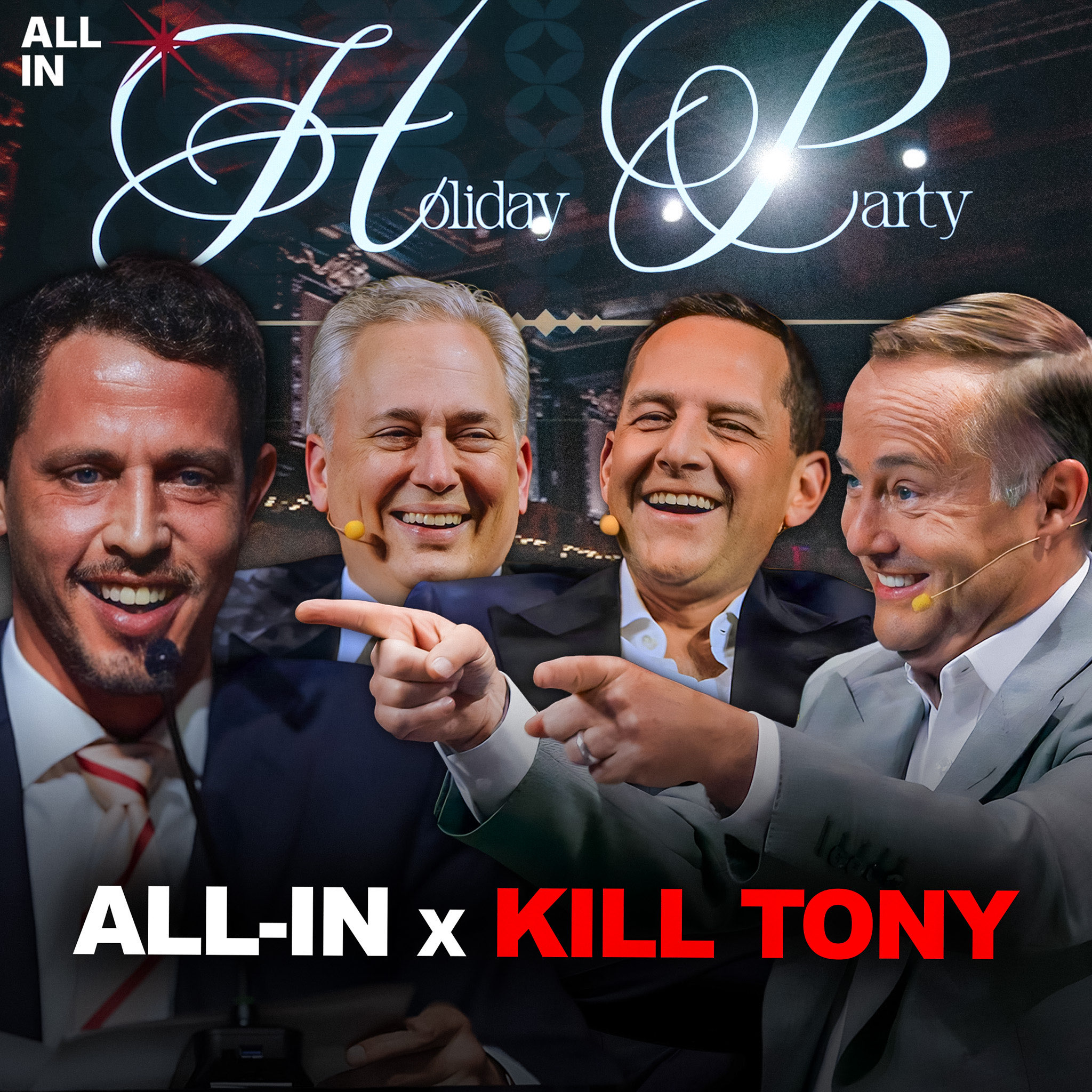
Platforms like YouTube intentionally design their algorithms to foster a wide base of mid-tier creators rather than a few dominant mega-stars. This is a strategic defense mechanism to reduce the leverage of any single creator. By preventing individuals from overshadowing the platform, YouTube mitigates the risk of widespread advertiser boycotts stemming from a controversy with one top personality, as seen in past 'Adpocalypses'.

A growing number of Chinese creators are uploading content to YouTube, motivated by the potential for direct ad revenue from a global audience. This trend, inspired by pioneers like Li Ziqi, marks a deliberate strategy to tap into overseas markets.

The creator economy's foundation is unstable because platforms don't pay sustainable wages, forcing creators into brand-deal dependency. This system is vulnerable to advertisers adopting stricter metrics and the rise of cheap AI content, which will squeeze creator earnings and threaten the viability of the creator "middle class."

Unlike studios risking billions on upfront investments, YouTube only pays for successful content via revenue sharing. Creators then reinvest this money into better productions, improving the platform's overall quality and capturing more audience attention in a virtuous, self-funding cycle.

The underlying driver for major media shifts, from studio mergers to the pivot of podcasts to video, is YouTube's complete platform domination. Its ability to distribute all types of content at scale is forcing legacy media to consolidate and creators to adapt to its video-first ecosystem.

While TikTok's on-platform digital courses offer a new monetization path, the revenue model is highly unfavorable. After Google takes a 30% app store cut, TikTok takes another 50% of the remaining revenue, leaving creators with just 35%.
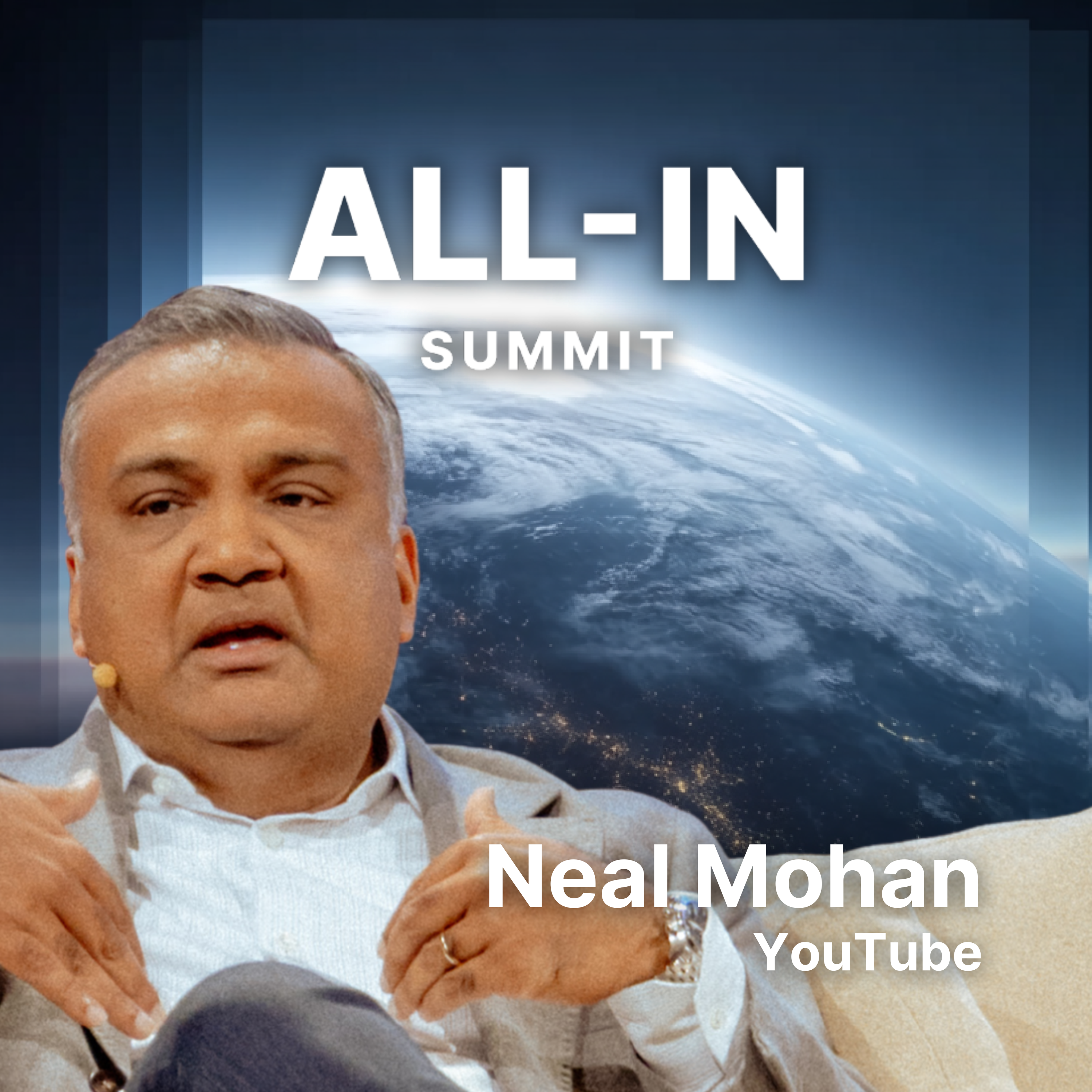
Neal Mohan defends YouTube's revenue split by positioning it as a model where creators bet on their own growth, contrasting with traditional media's upfront payments. For top creators who self-monetize, he frames this as a flexible choice, not a platform weakness, allowing them to select the model that best suits their business.
Unlike YouTube, where payouts support high-effort video, direct monetization on short-form platforms like X incentivizes low-quality, rage-bait content. Threads' strategy is instead to direct traffic to creators' sustainable, off-platform businesses (e.g., podcasts, newsletters) rather than paying for impressions.
