Get your free personalized podcast brief
We scan new podcasts and send you the top 5 insights daily.
Unlike studios risking billions on upfront investments, YouTube only pays for successful content via revenue sharing. Creators then reinvest this money into better productions, improving the platform's overall quality and capturing more audience attention in a virtuous, self-funding cycle.

Related Insights
Elite YouTube creators aren't just passive recipients of ad revenue. They actively buy their own ad inventory from YouTube and then resell it directly to brands, packaging it like traditional TV with guaranteed "adjacency" to specific content. This strategy dramatically increases monetization and business valuation.
![Media M&A - [Business Breakdowns, EP.230] thumbnail](https://megaphone.imgix.net/podcasts/8404be2a-a3c6-11f0-9d01-7b00b28a9d50/image/9a48597af1149c3b024e8d2f7327aa89.jpg?ixlib=rails-4.3.1&max-w=3000&max-h=3000&fit=crop&auto=format,compress)
As AI tools enable millions of amateur creators to produce professional-quality content, platforms like YouTube and Spotify become less reliant on a small number of mainstream media giants. This diffusion of content creation shifts bargaining power away from traditional studios and labels to the platforms themselves.
For content creators on YouTube, focusing on producing high-quality, engaging videos is more critical than chasing subscribers. A great video can achieve massive viewership organically through YouTube's algorithm, making content quality—not audience size—the primary driver of success on the platform.

Traditional media companies are turning to successful YouTube creators to source proven concepts and talent. They offer upfront capital to scale existing YouTube IP into larger productions, creating a symbiotic relationship between once-separate platforms.

A growing number of Chinese creators are uploading content to YouTube, motivated by the potential for direct ad revenue from a global audience. This trend, inspired by pioneers like Li Ziqi, marks a deliberate strategy to tap into overseas markets.

While Generative AI will dramatically lower content creation costs, it will also lead to a massive explosion of new content. This dynamic decreases the value of existing IP libraries but massively benefits distribution platforms like Netflix and YouTube, which aggregate eyeballs and win in a world of content abundance.

Content creators can increase revenue by moving along a spectrum of monetization models, from low-risk affiliates and sponsorships to higher-risk, higher-reward options like white-labeling, taking equity in partner brands, and finally, owning their own product.

The underlying driver for major media shifts, from studio mergers to the pivot of podcasts to video, is YouTube's complete platform domination. Its ability to distribute all types of content at scale is forcing legacy media to consolidate and creators to adapt to its video-first ecosystem.

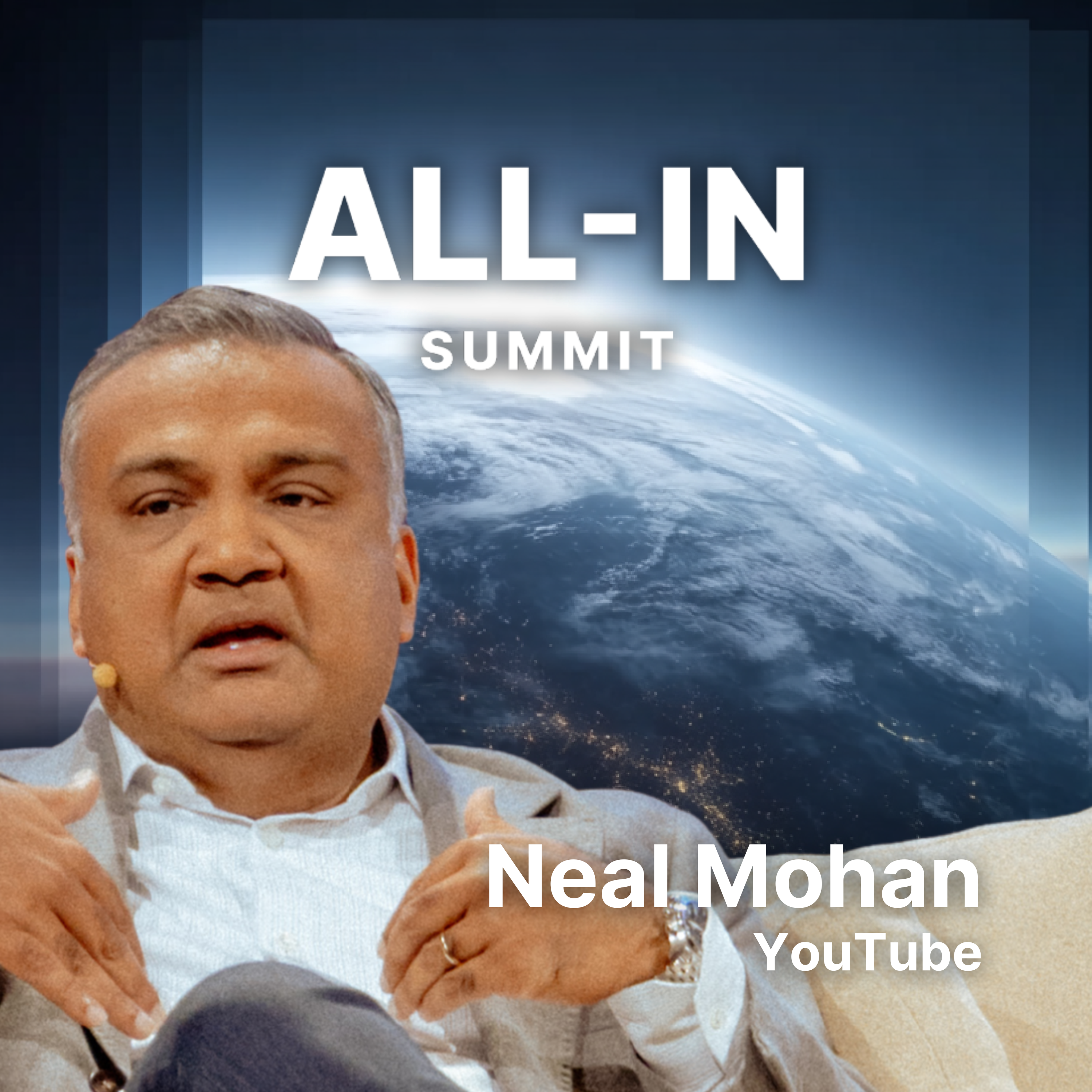
Neal Mohan defends YouTube's revenue split by positioning it as a model where creators bet on their own growth, contrasting with traditional media's upfront payments. For top creators who self-monetize, he frames this as a flexible choice, not a platform weakness, allowing them to select the model that best suits their business.
Independent animators are bypassing Hollywood gatekeepers by building massive fandoms directly on YouTube. By proving their IP with hundreds of millions of views and monetizing via merch, they gain incredible leverage, forcing studios to come to them with favorable deals.
