Get your free personalized podcast brief
We scan new podcasts and send you the top 5 insights daily.
Instead of just asking peer CFOs for solutions, Figma's CFO provides deep business context. This transforms the relationship from a simple Q&A into a collaborative thought partnership, creating a personal "internal board" of trusted advisors for nuanced problem-solving.
Related Insights
In high-stakes ABM plays, a peer-to-peer model is highly effective. A message from your CTO to their CTO, or your CFO to theirs, carries more weight and builds trust more rapidly than a salesperson's outreach. This executive engagement should be a core part of the ABM strategy.

Instead of a single mentor, build a "personal board" of diverse advisors from different industries and roles. Treat this group like your own "Hall of Justice," strategically tapping into each member's unique superpower based on the specific problem you're facing.

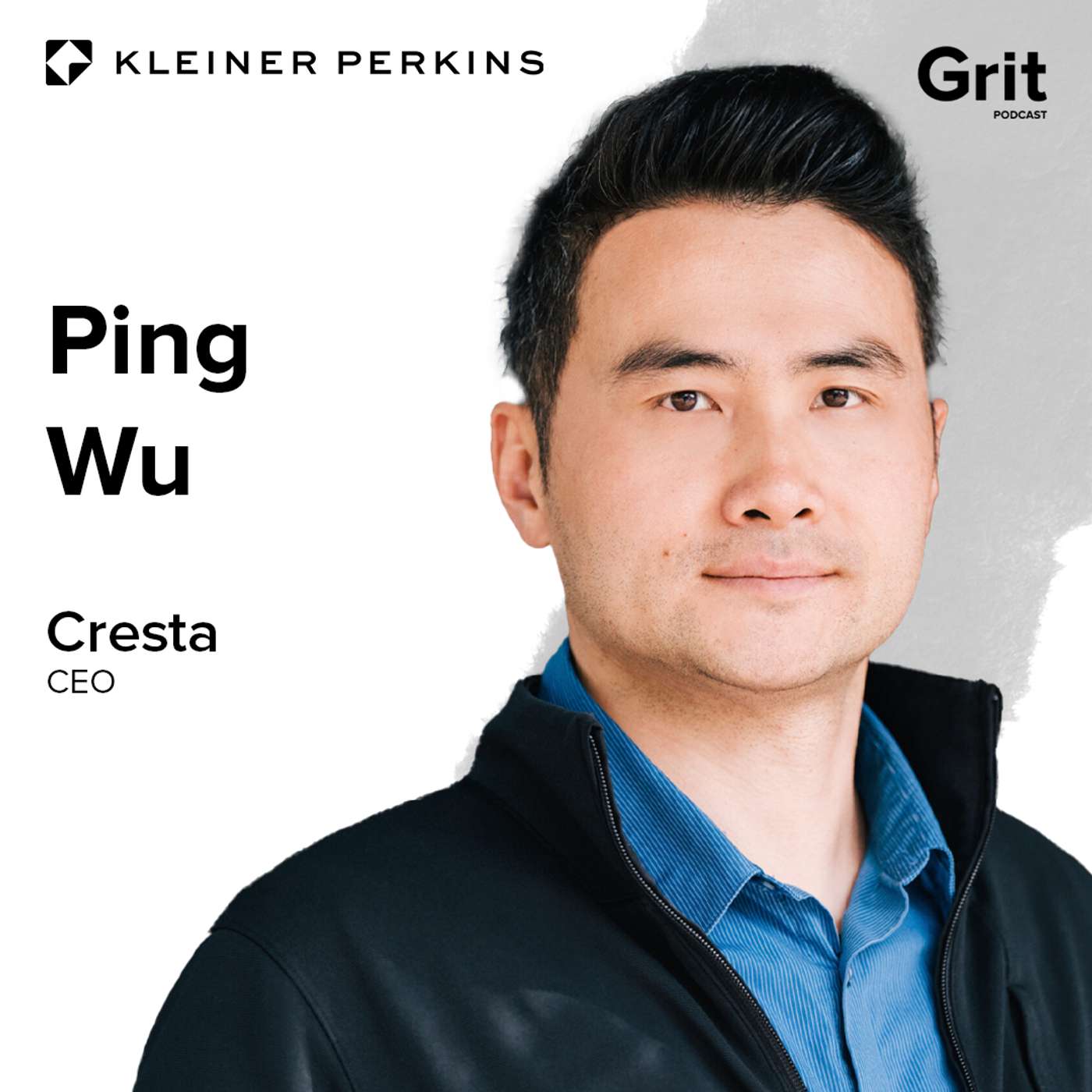
Ping Wu details how he leverages his board: he consults Doug Leone on SaaS company-building patterns, Sebastian Thrun on long-term AI trends, and former member Carl Eschenbach on go-to-market operations. This demonstrates a strategic approach to extracting maximum value from a diverse board.
Elevate yourself from a vendor to a linchpin by offering insights that reframe a client's challenges. When you provide a perspective or data they haven't considered, causing them to think differently because of you, you become an essential, irreplaceable resource they rely on for strategic guidance.

Markup AI's CEO built AI profiles for figures like Steve Jobs. Before board meetings, he runs his deck by this "fantasy board" to get instant, diverse feedback, effectively bringing expertise into the room that isn't physically there.

Figma's CFO measures his team's success not by forecast accuracy, but by whether other departments view them as creative problem-solvers. The goal is to be seen as a business accelerant that others want to involve, rather than a "go/no-go police" to be avoided.
Figma's CFO learned that spreadsheets alone don't build alignment. To truly influence fellow executives, you must understand their internal motivations, frame problems from their perspective, and then use data to support that shared understanding.
To build a strong "personal board of directors," go beyond your immediate network. A powerful tactic is to ask your existing, trusted mentors to identify their own mentors and explain what makes them valuable. This provides a vetted, high-quality pipeline for expanding your circle of guidance.

Lacking an internal team, fractional leaders create their own "virtual C-suite" by networking with other fractional experts (CROs, CFOs, marketing leads). This network becomes a powerful channel for client referrals and allows them to bring in complementary expertise to solve client problems collaboratively.

To build immediate trust and demonstrate value, QED partners engage with founders by simulating a board-level conversation from the first meeting. This "pretend I'm your investor" approach showcases their expertise and builds rapport, proving their founder-friendliness rather than just promising it.
