Get your free personalized podcast brief
We scan new podcasts and send you the top 5 insights daily.
By launching missile strikes at Riyadh's airport, the Houthis deliberately disrupt high-profile business gatherings like the World Petroleum Congress and Davos in the Desert. If ongoing air attacks shut down commercial flights and deter international delegates, the strikes risk unraveling the foreign investment necessary for Saudi Arabia's Vision 2030 agenda.

Related Insights
Adversaries now understand that Western financial markets are a key vulnerability. Iran is incentivized to attack energy infrastructure not just for physical disruption, but to directly target market sentiment and trigger financial instability, making economic warfare a primary strategy.

Despite perceptions of limitless wealth, Saudi Arabia is facing a capital shortage for its $2 trillion Vision 2030 agenda due to high spending and lower oil revenue. The kingdom is now turning inward, seeking investment from its own wealthiest families and private businesses to fund its ambitious economic transformation.

The Houthi's missile attacks on Israel are militarily minor. Their real power lies in attacking commercial shipping in the Red Sea, which would disrupt Saudi oil exports and could double the global oil shortfall, causing a massive price spike.
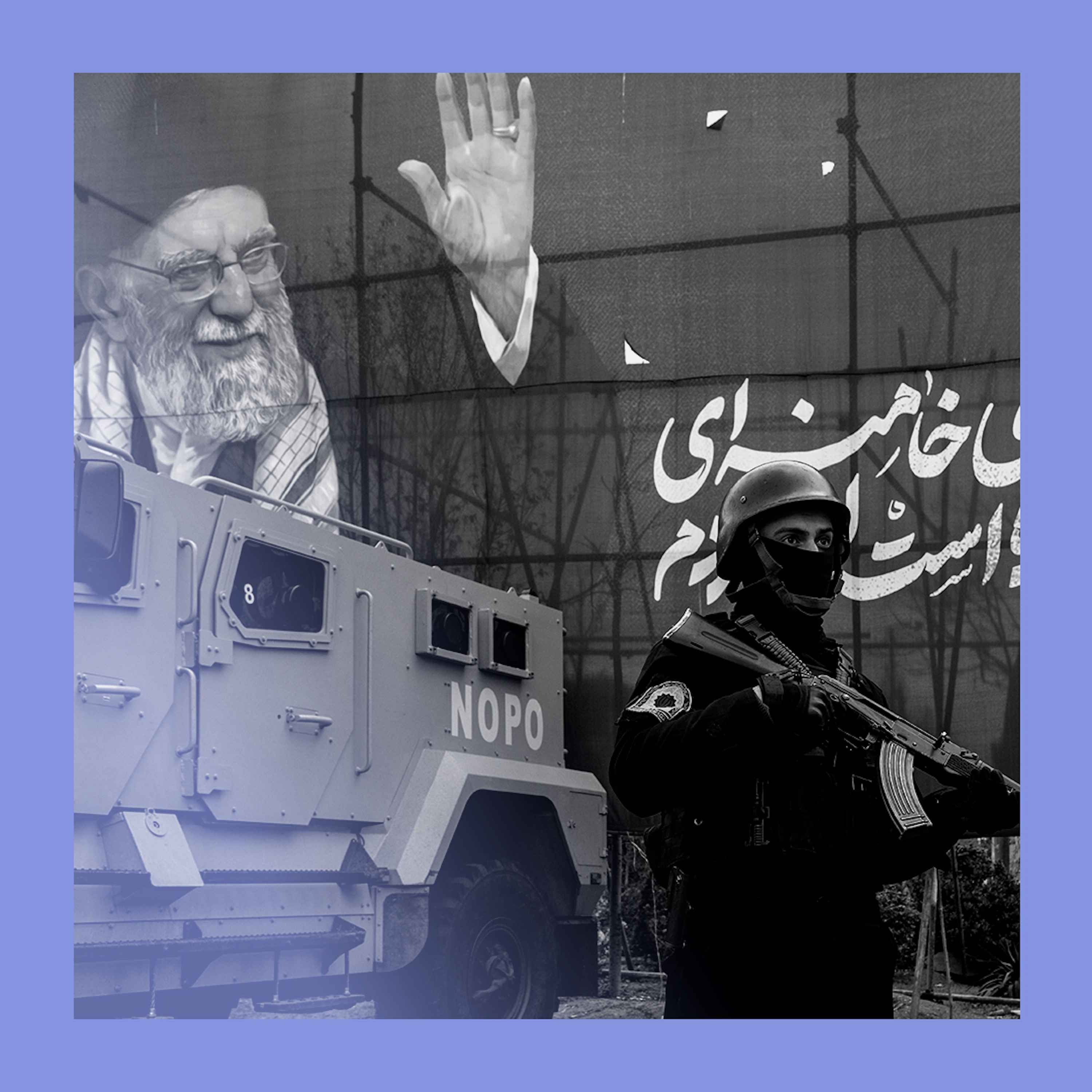
Houthi attacks on shipping lanes create such severe economic pressure that they can override deep-seated historical animosities. The rumor that Saudi Arabia is seeking Israeli assistance demonstrates that when economic survival is at stake, nations may form pragmatic alliances with former foes, creating a "theocracy vs. economy" dynamic.

Market focus on Hormuz is misplaced. The real emergent threat is the Bab el-Mandeb strait, controlled by Houthis. An attack there, potentially orchestrated by IRGC hardliners, could halt 4 million barrels/day of Saudi oil rerouted from the Persian Gulf, spooking insurers and causing a greater price shock than the Hormuz crisis.

The conflict's new phase focuses on inflicting economic pain. Both sides are attacking vital, non-military infrastructure like oil fields, fuel depots, and water desalination plants to test which economy can withstand more damage.
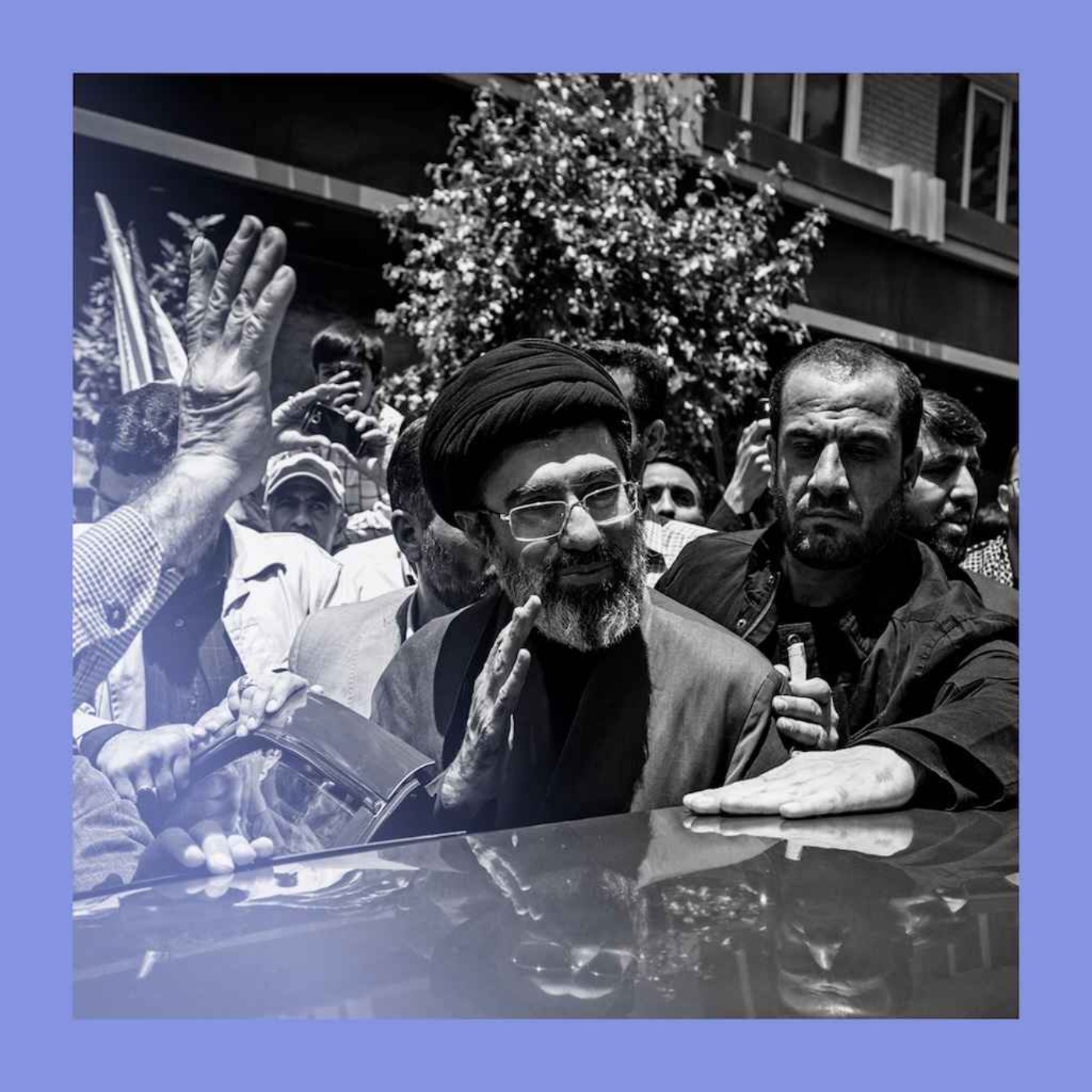
The Houthis are escalating the regional conflict by threatening the Bab al-Mandeb Strait. This is a direct strategic move against Saudi Arabia, which has been developing Red Sea oil pipelines and ports as an alternative to the vulnerable Strait of Hormuz. This action applies new, direct pressure on global oil markets.

The main driver for US action against Iran is to stabilize the Gulf region to secure over $2 trillion in investment deals with Saudi Arabia, Qatar, and the UAE. These deals are the centerpiece of Trump's economic agenda, making the threat from Iran an existential economic one.

By targeting hotels and airports in allied nations like the UAE and Saudi Arabia, Iran is waging economic warfare. These attacks aim to disrupt tourism, which constitutes 5-10% of these countries' GDP, creating domestic pressure on their leaders to break ties with the U.S.

Iran's attacks, executed via proxies like the Houthis, are not merely reactions to US strikes. They are part of a long-term strategy to destabilize rivals like Saudi Arabia, weaken their alliances, and establish Iran as the undisputed power in the Middle East.