Get your free personalized podcast brief
We scan new podcasts and send you the top 5 insights daily.
Adversaries now understand that Western financial markets are a key vulnerability. Iran is incentivized to attack energy infrastructure not just for physical disruption, but to directly target market sentiment and trigger financial instability, making economic warfare a primary strategy.

Related Insights
By attacking just a few ships, Iran creates enough perceived risk to make insurance carriers unwilling to cover vessels transiting the Strait of Hormuz. This effectively disrupts 20% of the world's oil supply without needing a large-scale military blockade, a key tactic in asymmetric economic warfare.

Modern global conflict is primarily economic, not kinetic. Nations now engage in strategic warfare through currency debasement, asset seizures, and manipulating capital flows. The objective is to inflict maximum financial damage on adversaries, making economic policy a primary weapon of war.
Iran doesn't need a naval blockade to close the Strait of Hormuz. The mere threat of drone and missile attacks is enough to deter shippers and insurers, creating a "de facto closure." This asymmetrical strategy highlights how psychological warfare can be as effective as direct military action in disrupting global trade.
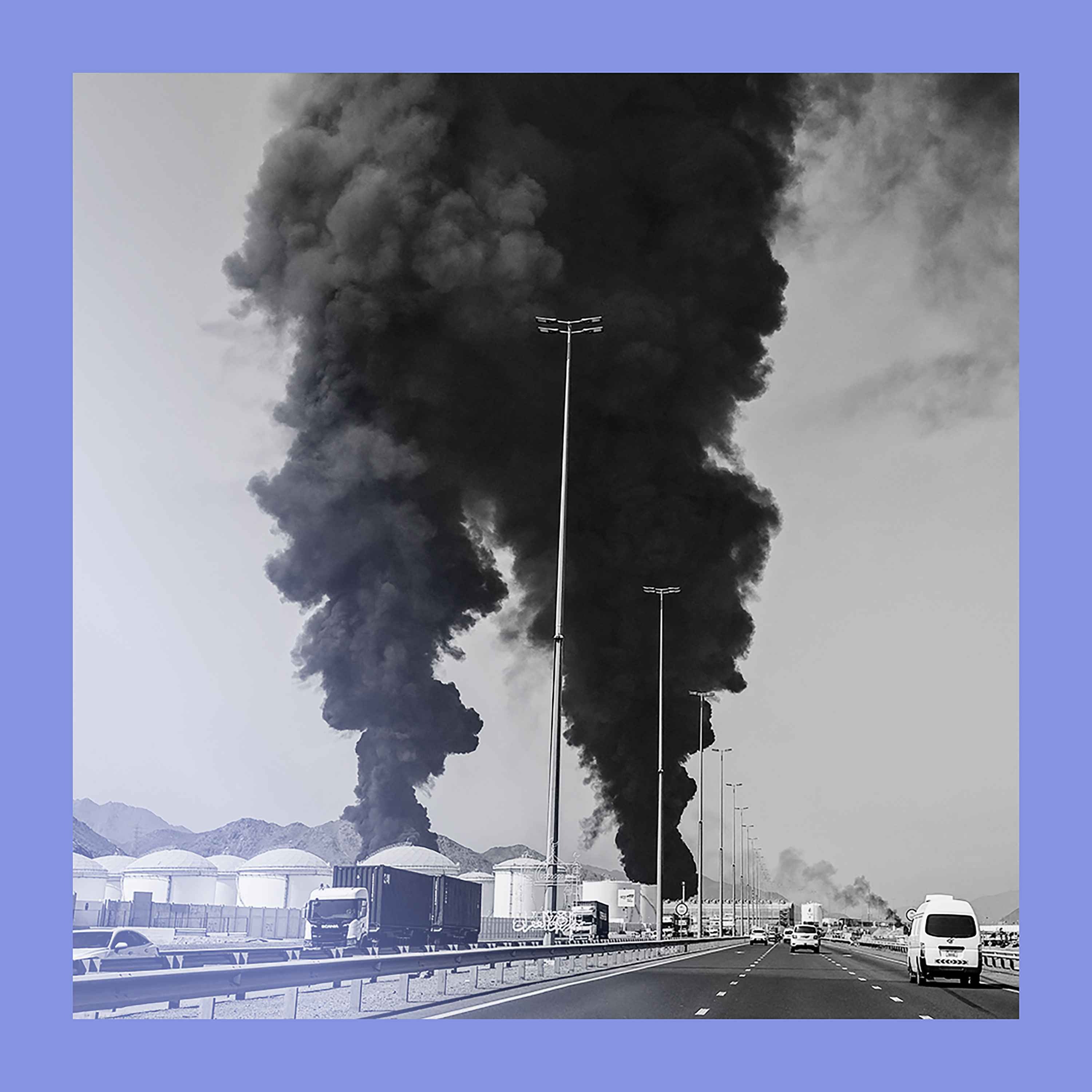
The immediate oil price risk from the Iran conflict isn't just the temporary blockage of the Strait of Hormuz. The greater danger is a kinetic strike that damages critical infrastructure like pipelines or ports, which would take significant time to repair and create a prolonged supply crisis.

The specific targeting choices in the initial Iran strikes—leadership, navy warships, and military infrastructure—suggest the primary goal is economic control, specifically securing the Strait of Hormuz. Had the true objective been nuclear deterrence, the focus would have been on destroying nuclear facilities, which was not the case.

Iran effectively weaponized the Strait of Hormuz not with mines, but by creating enough uncertainty to make UK-based insurance companies pull out. This demonstrates how financial systems can be leveraged as powerful geopolitical choke points.

When a leader consistently capitulates to market pressure (e.g., reversing tariffs when stocks drop), their "stop loss" becomes public knowledge. Adversaries can then weaponize markets, pushing them to that known pain point to force the leader's hand in geopolitical conflicts.
Iran's attacks on GCC nations are not random. They are a calculated strategy to force these states to divert capital from US AI investments towards domestic defense, thereby undermining the backbone of the US economy.
Even if the US withdraws from the conflict, Iran has demonstrated its willingness to attack Gulf oil infrastructure. This establishes a new, persistent risk, fundamentally changing the security calculus and embedding a long-term price premium into the market that presidential rhetoric alone cannot erase.

By targeting hotels and airports in allied nations like the UAE and Saudi Arabia, Iran is waging economic warfare. These attacks aim to disrupt tourism, which constitutes 5-10% of these countries' GDP, creating domestic pressure on their leaders to break ties with the U.S.
