Get your free personalized podcast brief
We scan new podcasts and send you the top 5 insights daily.
The Houthis are escalating the regional conflict by threatening the Bab al-Mandeb Strait. This is a direct strategic move against Saudi Arabia, which has been developing Red Sea oil pipelines and ports as an alternative to the vulnerable Strait of Hormuz. This action applies new, direct pressure on global oil markets.

Related Insights
The 20 million barrels of oil flowing daily through the Strait of Hormuz represent 20% of global supply. A blockade constitutes a disruption four times larger than the Iranian Revolution or Yom Kippur War embargoes, with no simple replacement.

Recognizing that the Strait of Hormuz is a declining asset as bypass pipelines are built, Iran's grand strategy is to establish a sphere of influence. This involves using proxies like Hezbollah and the Houthis to control all potential oil transit routes, ensuring their long-term dominance over regional energy flow.

The closure of the Strait of Hormuz (20% of world oil) and now the Red Sea bypass routes, coupled with depleted strategic reserves and attacks on global refining capacity, creates an imminent economic crisis. This is the "nightmare scenario" that policymakers have feared.
The Houthi's missile attacks on Israel are militarily minor. Their real power lies in attacking commercial shipping in the Red Sea, which would disrupt Saudi oil exports and could double the global oil shortfall, causing a massive price spike.
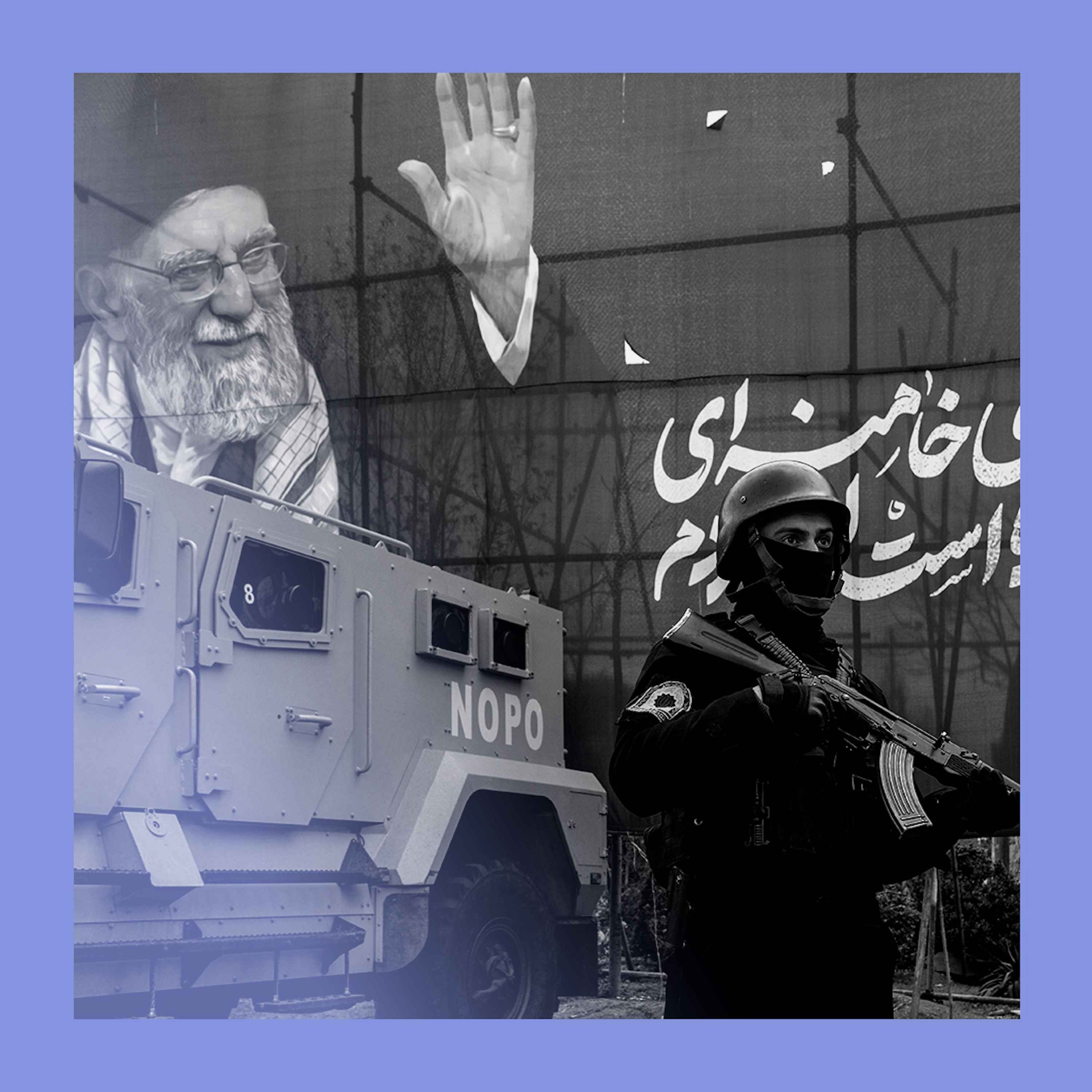
The Middle East conflict has moved beyond risk to a physical blockade of the Strait of Hormuz. With commercial tankers no longer transiting, nearly 20% of global oil is cut off from markets. This supply disruption, not just a risk premium, is driving oil prices toward $100/barrel.

Market focus on Hormuz is misplaced. The real emergent threat is the Bab el-Mandeb strait, controlled by Houthis. An attack there, potentially orchestrated by IRGC hardliners, could halt 4 million barrels/day of Saudi oil rerouted from the Persian Gulf, spooking insurers and causing a greater price shock than the Hormuz crisis.

The recent geopolitical conflict has exposed the unacceptable risk of the Strait of Hormuz energy 'choke point.' The world will no longer tolerate this vulnerability, creating a powerful incentive for long-term investment in new energy supply routes, sources, and strategies to ensure stability.

The current crisis is the catalyst for Gulf producers (Saudi Arabia, UAE, Iraq) to build extensive overland pipelines, permanently bypassing the Strait. This multi-billion dollar infrastructure spend will neutralize Iran's primary geopolitical weapon, fundamentally reshaping global energy security and logistics long-term.
The conflict highlights the immense strategic value of infrastructure that provides an alternative to the Strait of Hormuz chokepoint. Countries like Saudi Arabia with pipelines to the Red Sea are better insulated and may even profit, revealing a key geographical advantage over constrained nations like Qatar.

The Houthis are exporting expertise and advanced weaponry to Al Shabaab in Somalia. This maturing relationship risks putting the critical Bab el-Mandeb maritime chokepoint in a strategic crossfire, threatening the global economy and US national security interests.
