Get your free personalized podcast brief
We scan new podcasts and send you the top 5 insights daily.
Market focus on Hormuz is misplaced. The real emergent threat is the Bab el-Mandeb strait, controlled by Houthis. An attack there, potentially orchestrated by IRGC hardliners, could halt 4 million barrels/day of Saudi oil rerouted from the Persian Gulf, spooking insurers and causing a greater price shock than the Hormuz crisis.

Related Insights
A dangerous disconnect exists between oil futures prices, which seem muted, and the physical market. Experts warn of a catastrophic global supply shortage if the Strait of Hormuz remains closed, highlighting a significant tail risk that financial markets are currently underpricing.

The 20 million barrels of oil flowing daily through the Strait of Hormuz represent 20% of global supply. A blockade constitutes a disruption four times larger than the Iranian Revolution or Yom Kippur War embargoes, with no simple replacement.

The Houthi's missile attacks on Israel are militarily minor. Their real power lies in attacking commercial shipping in the Red Sea, which would disrupt Saudi oil exports and could double the global oil shortfall, causing a massive price spike.
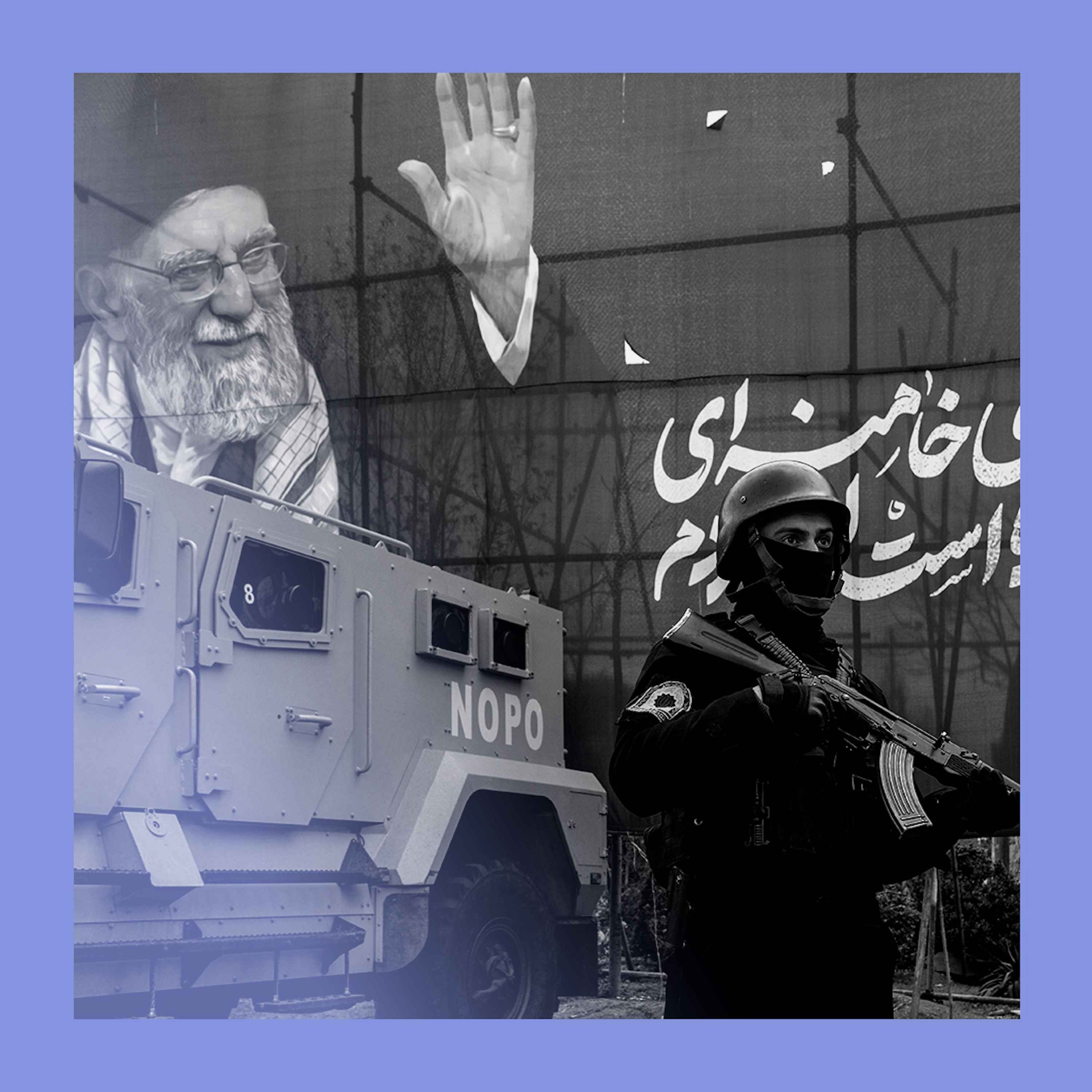
The Middle East conflict has moved beyond risk to a physical blockade of the Strait of Hormuz. With commercial tankers no longer transiting, nearly 20% of global oil is cut off from markets. This supply disruption, not just a risk premium, is driving oil prices toward $100/barrel.

The immediate oil price risk from the Iran conflict isn't just the temporary blockage of the Strait of Hormuz. The greater danger is a kinetic strike that damages critical infrastructure like pipelines or ports, which would take significant time to repair and create a prolonged supply crisis.
Major historical oil price movements were triggered by supply-demand imbalances of just 2-3 million barrels per day. A disruption at the Strait of Hormuz would impact 20 million barrels daily, a scale that dwarfs previous crises and renders standard analytical models inadequate.

Increasing global oil production is meaningless if the crude cannot be safely transported. The real challenge in modern energy conflicts is not total supply, but the logistical risk of moving it through contested chokepoints like the Strait of Hormuz, making transportation the primary driver of price instability.

The conflict's primary impact on oil is not that supply is offline, but that its transport through the Strait of Hormuz is blocked. This distinction is key to understanding price scenarios, as supply exists but cannot be delivered.
The full impact of the Hormuz closure hasn't hit yet. An "air pocket" in global tanker supply is developing. When tankers that departed pre-conflict finally arrive at their destinations, Asian inventories will begin drawing down at an unprecedented 10-15 million barrels per day, triggering a severe, delayed price shock.
The current 20M barrel/day disruption dwarfs historical crises like the 1973 embargo (~4.5M bpd). This unprecedented scale explains extreme market volatility and why releasing strategic reserves offers only a brief, insufficient reprieve. The math of the problem is simply different this time.