Get your free personalized podcast brief
We scan new podcasts and send you the top 5 insights daily.
Before investing in expensive brand tracking tools, marketers can get a directional sense of brand health by monitoring branded search volume. An increase in people searching for your brand name on Google or Amazon, especially after a top-of-funnel campaign, is a strong, low-cost indicator of growing awareness.
Related Insights
The ROI of a viral moment is difficult to link to direct sales. Instead, its value lies in increasing 'share of voice' and creating positive brand associations. This influences future purchasing decisions, making the brand top-of-mind when a customer is ready to buy.
Brand campaigns reach the 95% of buyers not currently in-market. Instead of relying on vanity metrics, Square ties this investment to business outcomes by tracking the subsequent lift in organic traffic, which they've found converts better than paid channels.
Stop viewing brand as a top-of-funnel activity. For elite companies, brand isn't a precursor to selling; it is the selling. It creates inbound demand that bypasses traditional conversion tactics like search ads or affiliate marketing, making it the most powerful and sustainable growth engine.

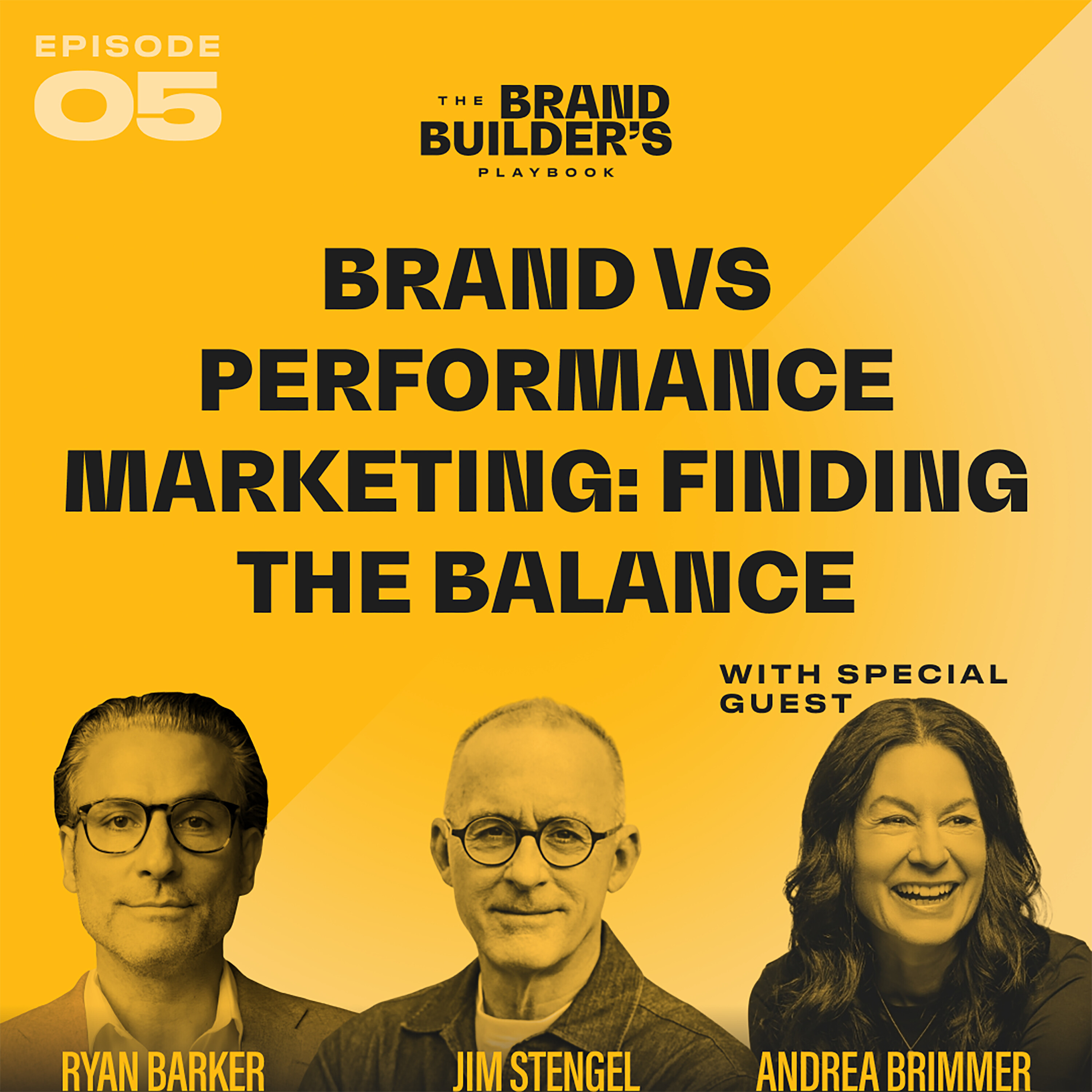
Data shows that adding brand marketing to a performance-driven engine can increase median ROI by 90%. The persistent tension between brand and performance stems from short-termism and the allure of easily measured clicks, creating a false dichotomy between two essential functions.
As AI devalues simple clicks, marketing focus must shift to building a strong brand that algorithms recognize as authoritative. High-quality, well-structured owned content (like blogs and reports) becomes more critical for discoverability than traditional performance marketing tactics.

TikTok Shop success creates a powerful "spillover" effect. Users see a product on TikTok, then search for it directly on Amazon for faster shipping. This high-intent, search-to-purchase behavior signals relevance to Amazon's algorithm, dramatically boosting the product's sales rank for key terms.
Data reveals a 'doom loop' of diminishing returns for companies over-relying on performance marketing. Brand investment acts as a multiplier, improving conversion and efficiency. Campaigns that combine brand and performance see a 90% higher ROI, while performance marketing for a weak brand yields a negative 40% ROI.
A one-size-fits-all approach to brand measurement is ineffective. Molson Coors finds that 'consideration' is more predictive of growth for emerging brands, while 'brand equity' is a stronger driver for established ones. This tailors KPIs to the brand's life stage.
Shift the mindset from a brand vs. performance dichotomy. All marketing should be measured for performance. For brand initiatives, use metrics like branded search volume per dollar spent to quantify impact and tie "fluffy" activities to tangible growth outcomes.

While difficult to attribute directly, strong brand recognition provides critical "air cover" for sales teams. When prospects already know who the company is, sales reps can skip the introductory explanation and focus immediately on selling the solution. This shortens the sales cycle and increases the effectiveness of outreach, justifying brand investment.
