Get your free personalized podcast brief
We scan new podcasts and send you the top 5 insights daily.
Brian Halligan identifies a new founder profile he calls the 'five-tool CEO.' This individual single-handedly masters coding, product taste, sales, fundraising, and recruiting. This 'superhero' archetype contrasts with the classic model of a technical founder paired with a separate business-focused co-founder.

Related Insights
HubSpot co-founder Brian Halligan observes a new archetype of tech leader: the "five-tool CEO." Like a rare multi-talented baseball player, they possess elite skills in five key areas: vision, coding, design, recruiting, and sales. Founders like Rippling's Parker Conrad exemplify this new, formidable breed of entrepreneur.

The ideal founder archetype starts with deep technical expertise and product sense. They then develop exceptional business and commercial acumen over time, a rarer and more powerful combination than a non-technical founder learning the product.
![David George - Building a16z Growth, Investing Across the AI Stack, and Why Markets Misprice Growth - [Invest Like the Best, EP.450] thumbnail](https://megaphone.imgix.net/podcasts/8da7dbd8-ceeb-11f0-941c-ef83bcdd4c9f/image/d44107bc94719f78fbe91befb141073e.jpg?ixlib=rails-4.3.1&max-w=3000&max-h=3000&fit=crop&auto=format,compress)
Consumer tech often succeeds on product alone. Enterprise tech, however, requires a complex business motion involving sales and partnerships. This is where professional executives often outperform founders who may love building products but dislike the business development required for success.

Despite the immense success of Elon Musk and Jensen Huang, their unique management styles—like Huang's 60 direct reports or Musk's "algorithm"—are not being replicated by the new generation of top CEOs. These founders are not seeking a specific hero to emulate; they are instead creating their own distinct leadership models from scratch.
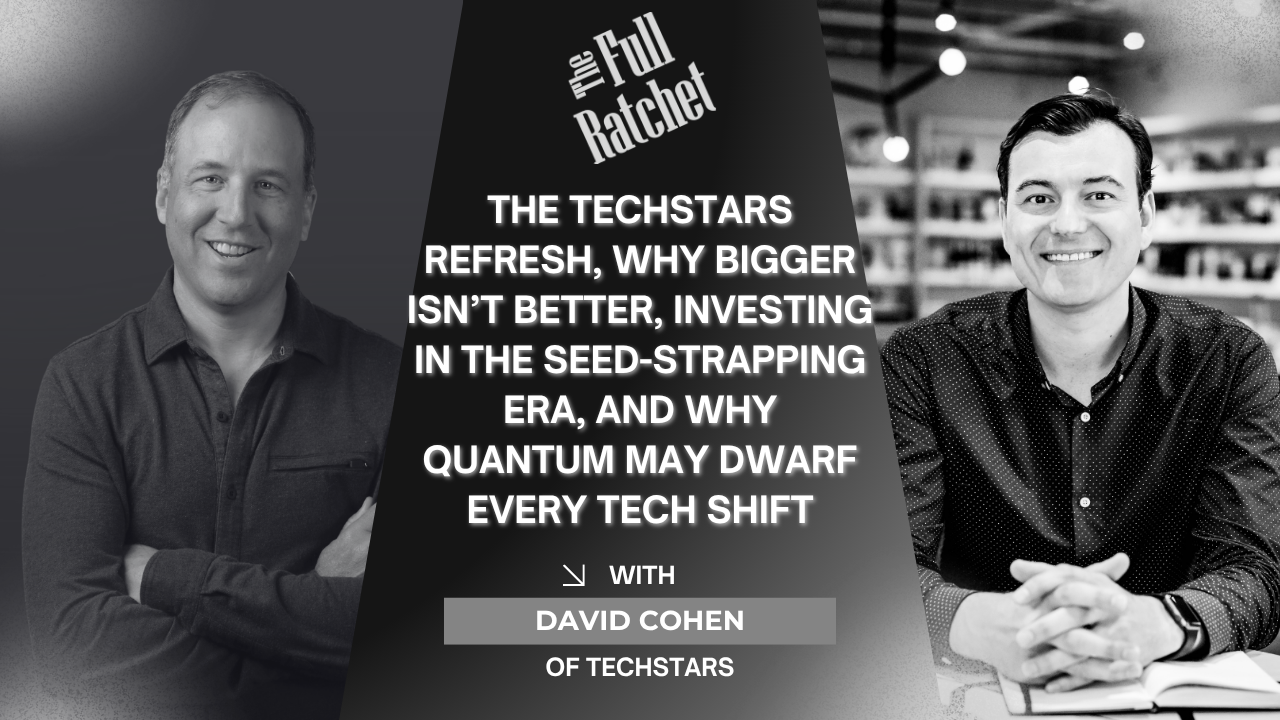
According to Techstars' CEO David Cohen, standout AI companies are defined by their leadership. The CEO must personally embody an "AI-first" mindset, constantly thinking about leverage and efficiency from day one. It's not enough to simply lead a team of engineers who understand AI; the strategic vision must originate from the top.
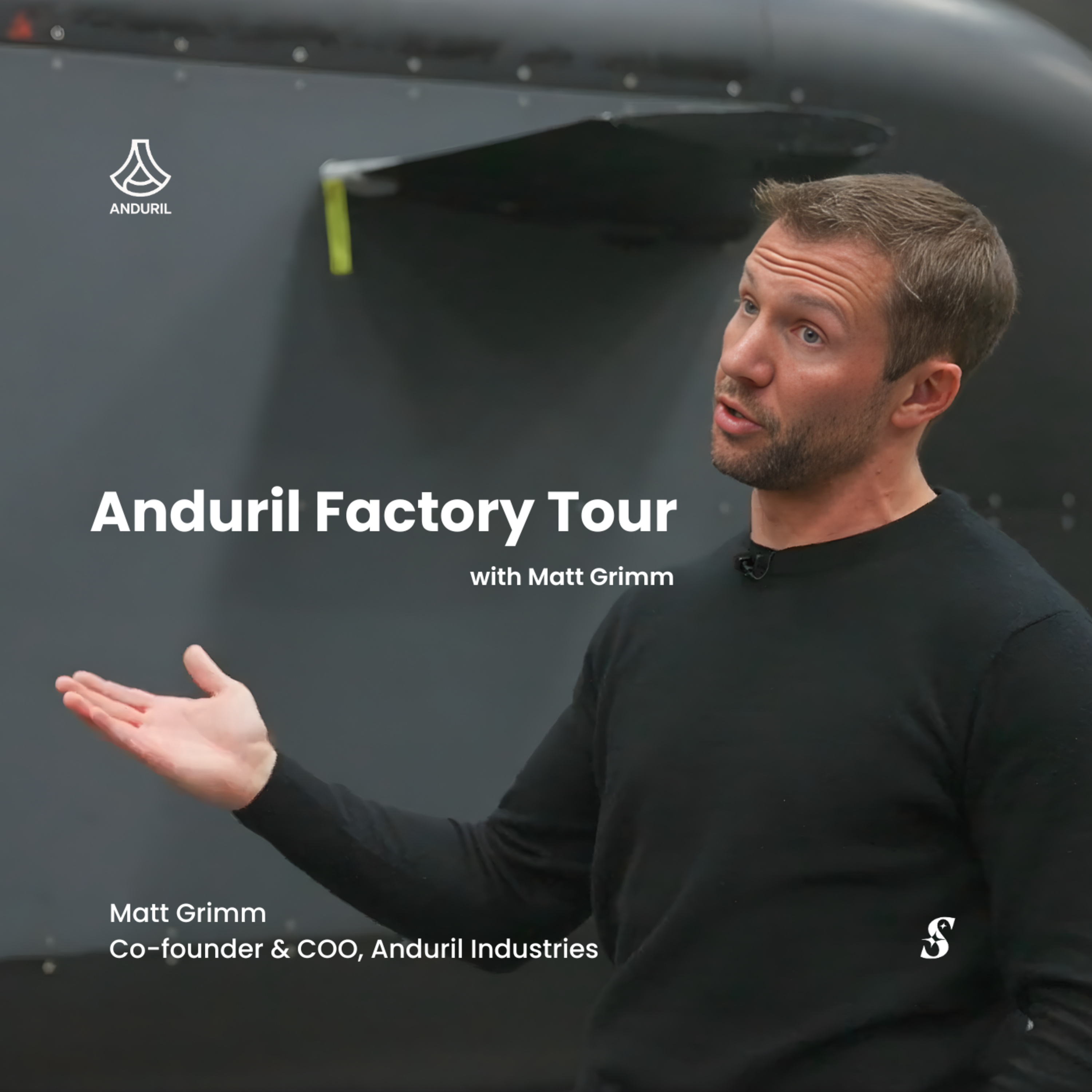
As Anduril scaled, its founders specialized. Palmer Luckey drives product innovation. CEO Brian Schimpf is the strategic 'genius' who sees the global chessboard. Trey Stephens handles investor relations and brand marketing. Matt Grimm acts as COO, the 'chief janitor' managing the complex operational guts of the company.
The traditional tech team structure of separate product, engineering, and design roles is becoming obsolete. AI startups favor small teams of 'polymaths'—T-shaped builders who can contribute across disciplines. This shift values broad, hands-on capability over deep specialization for most early-stage roles.
To scale his company Exit Five, the founder (the "Visionary") promoted his COO to CEO (the "Integrator"). This structure, from the book *Traction*, allows the creator to focus on ideas and content while the operator runs the business, manages the team, and implements processes.

An engineering background provides strong first-principles thinking for a CEO. However, to effectively scale a company, engineer founders must elevate their identity to become a specialist in all business functions—sales, policy, recruiting—not just product.

The business grew quickly because its three co-founders each brought a distinct, essential skill: creative design, business management, and deep product knowledge (fandom). This division of labor allowed them to scale the company while still working their other full-time jobs, with each founder's expertise complementing the others.