Get your free personalized podcast brief
We scan new podcasts and send you the top 5 insights daily.
HubSpot co-founder Brian Halligan observes a new archetype of tech leader: the "five-tool CEO." Like a rare multi-talented baseball player, they possess elite skills in five key areas: vision, coding, design, recruiting, and sales. Founders like Rippling's Parker Conrad exemplify this new, formidable breed of entrepreneur.

Related Insights
At HubSpot, Elias Torres built an exceptional team, hiring future founders of companies like Klaviyo. His strategy was to ignore credentials and instead screen for hunger, grit, and intelligence through conversation. He believes giving people with non-traditional backgrounds a shot is key to finding outliers.

The ideal founder archetype starts with deep technical expertise and product sense. They then develop exceptional business and commercial acumen over time, a rarer and more powerful combination than a non-technical founder learning the product.
![David George - Building a16z Growth, Investing Across the AI Stack, and Why Markets Misprice Growth - [Invest Like the Best, EP.450] thumbnail](https://megaphone.imgix.net/podcasts/8da7dbd8-ceeb-11f0-941c-ef83bcdd4c9f/image/d44107bc94719f78fbe91befb141073e.jpg?ixlib=rails-4.3.1&max-w=3000&max-h=3000&fit=crop&auto=format,compress)
To be truly successful, a product leader cannot just focus on features and users. They must operate as the head of their product's business, with a deep understanding of P&Ls, revenue drivers, and capital allocation. Without this business acumen, they risk fundamentally undercutting their product's potential impact and success.
As AI agents handle technical execution, the most valuable human skill becomes ideation. Replit CEO Amjad Massad predicts this will dissolve rigid corporate hierarchies in favor of adaptable teams of generalists who collaborate with autonomous AI tools to bring ideas to life.
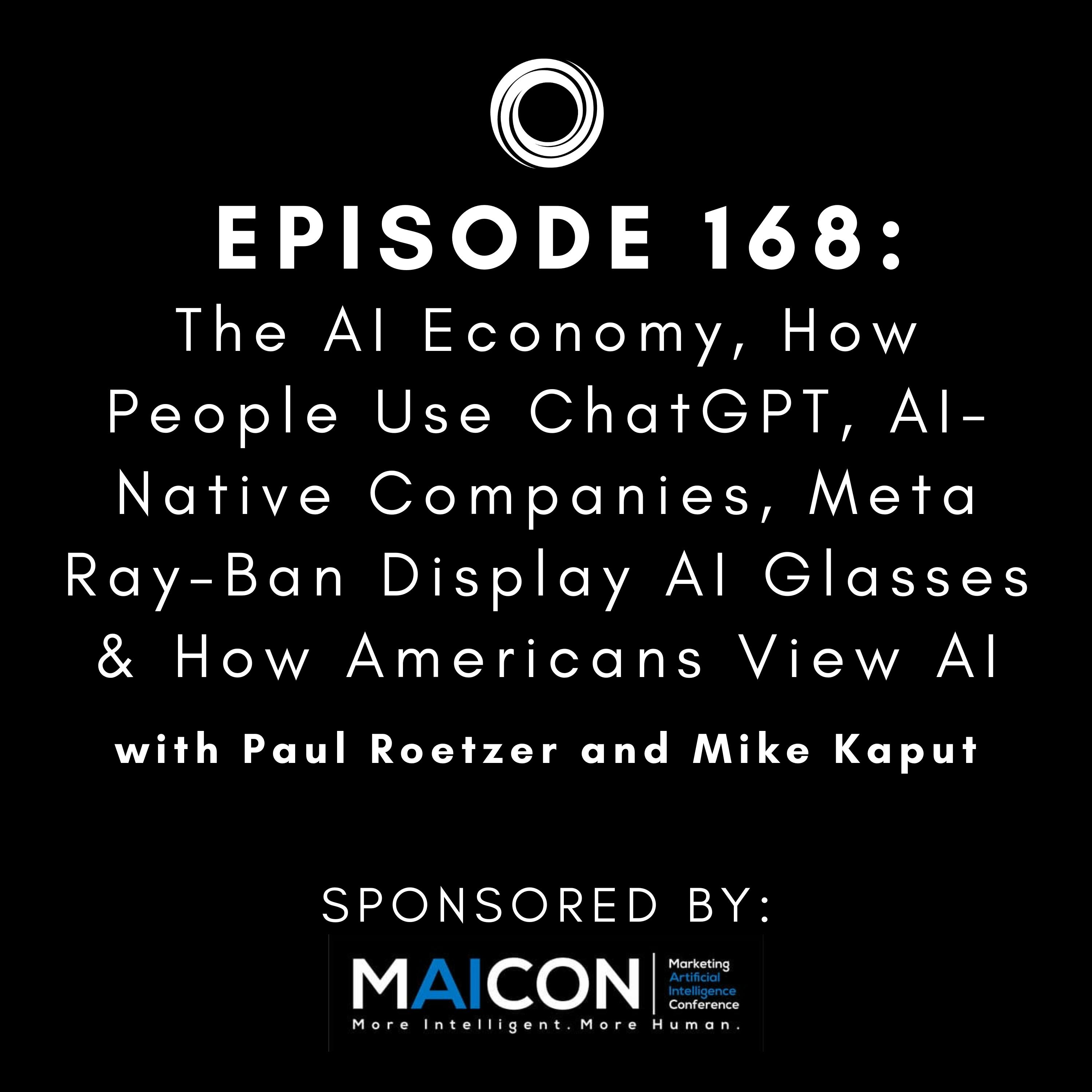
According to Techstars' CEO David Cohen, standout AI companies are defined by their leadership. The CEO must personally embody an "AI-first" mindset, constantly thinking about leverage and efficiency from day one. It's not enough to simply lead a team of engineers who understand AI; the strategic vision must originate from the top.
The traditional product management skillset is no longer sufficient for executive leadership. Aspiring CPOs must develop deep expertise in either the commercial aspects of the business (GTM, revenue) or the technical underpinnings of the product to provide differentiated value at the C-suite level.

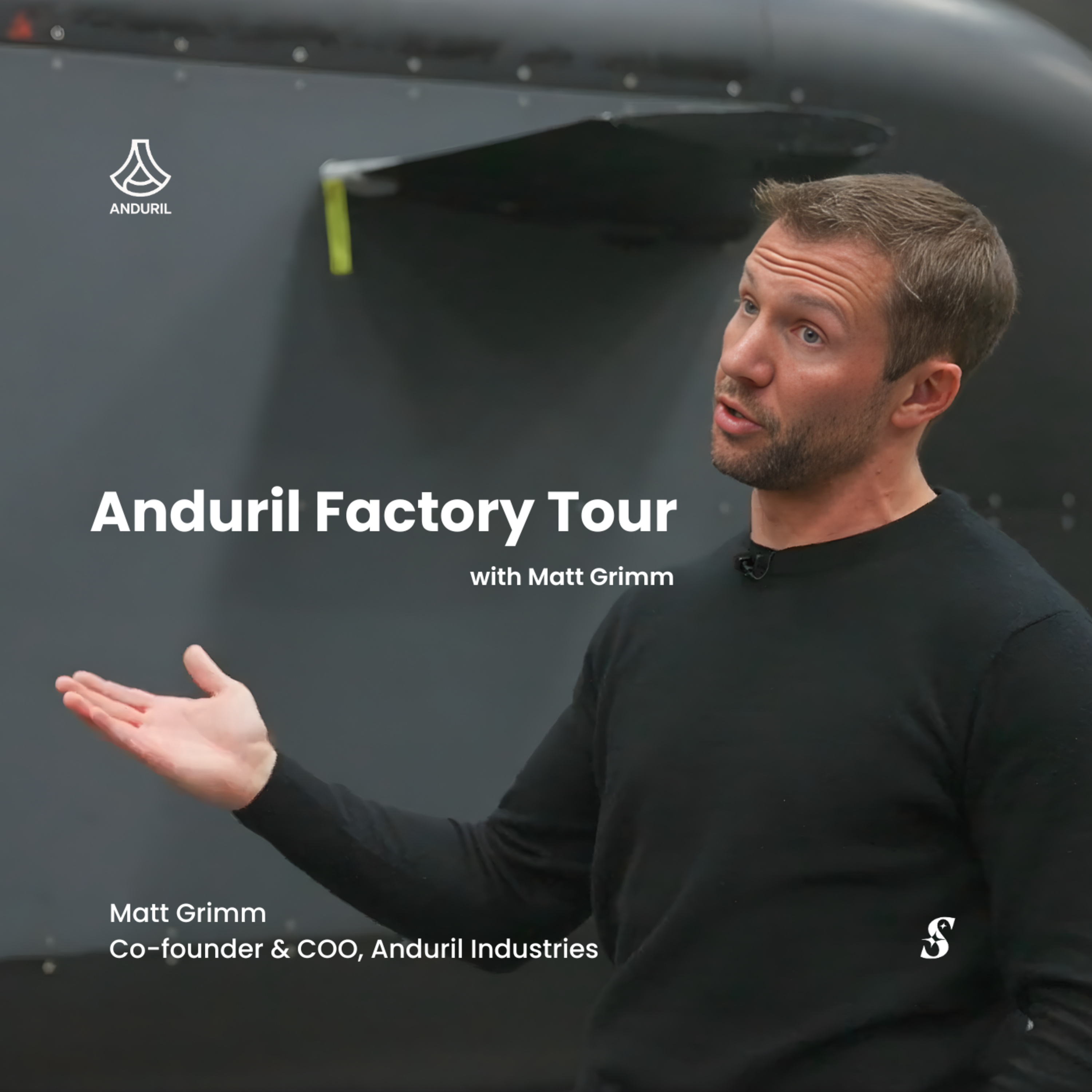
As Anduril scaled, its founders specialized. Palmer Luckey drives product innovation. CEO Brian Schimpf is the strategic 'genius' who sees the global chessboard. Trey Stephens handles investor relations and brand marketing. Matt Grimm acts as COO, the 'chief janitor' managing the complex operational guts of the company.
Early in a technology cycle like the web or AI, successful founders must be technical geniuses to build necessary infrastructure. As the ecosystem matures with tools like AWS or open-source models, the advantage shifts to product geniuses who can build great user experiences without deep technical expertise.

To scale his company Exit Five, the founder (the "Visionary") promoted his COO to CEO (the "Integrator"). This structure, from the book *Traction*, allows the creator to focus on ideas and content while the operator runs the business, manages the team, and implements processes.

LinkedIn is piloting a "Full Stack Builder" model where individuals handle the entire product lifecycle. The model's goal is to automate most tasks, allowing builders to focus on uniquely human traits: vision, empathy, communication, creativity, and especially judgment.