Get your free personalized podcast brief
We scan new podcasts and send you the top 5 insights daily.
Despite the immense success of Elon Musk and Jensen Huang, their unique management styles—like Huang's 60 direct reports or Musk's "algorithm"—are not being replicated by the new generation of top CEOs. These founders are not seeking a specific hero to emulate; they are instead creating their own distinct leadership models from scratch.

Related Insights
The most successful founders, like Koenigsegg, say the same things on day one as they do 20 years later. Their success comes not from pivoting, but from the relentless, decades-long execution of a single, powerful vision. This unwavering consistency compounds into a massive competitive advantage and defines the company's character.

The startup world over-indexes on the aggressive, relentless founder archetype. Spotify CEO Daniel Ek argues for the need to recognize and promote alternative models. Success doesn't require emulating a single personality type; it requires building a business that is authentic to you.

The most significant founder mistakes often arise from abandoning one's own judgment to do what is conventionally expected. Jason Fried notes that these errors feel worse because you aren't just failing, you're failing while trying to be someone else, which undermines the core identity of your company.

Managerial companies derive legitimacy from "the plan," creating enormous inertia against change. In founder-led companies, legitimacy is vested in the founder as an individual. This is their key structural advantage, allowing the entire organization to pivot on a dime based on conviction.
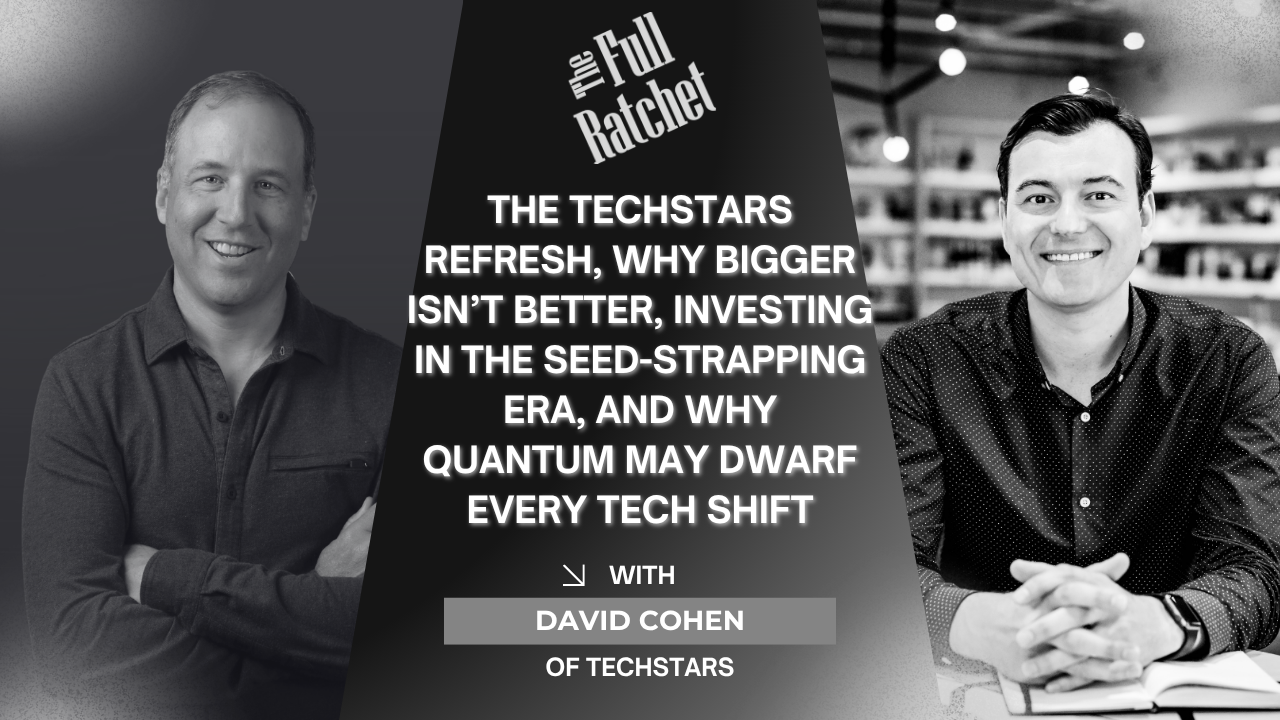
According to Techstars' CEO David Cohen, standout AI companies are defined by their leadership. The CEO must personally embody an "AI-first" mindset, constantly thinking about leverage and efficiency from day one. It's not enough to simply lead a team of engineers who understand AI; the strategic vision must originate from the top.
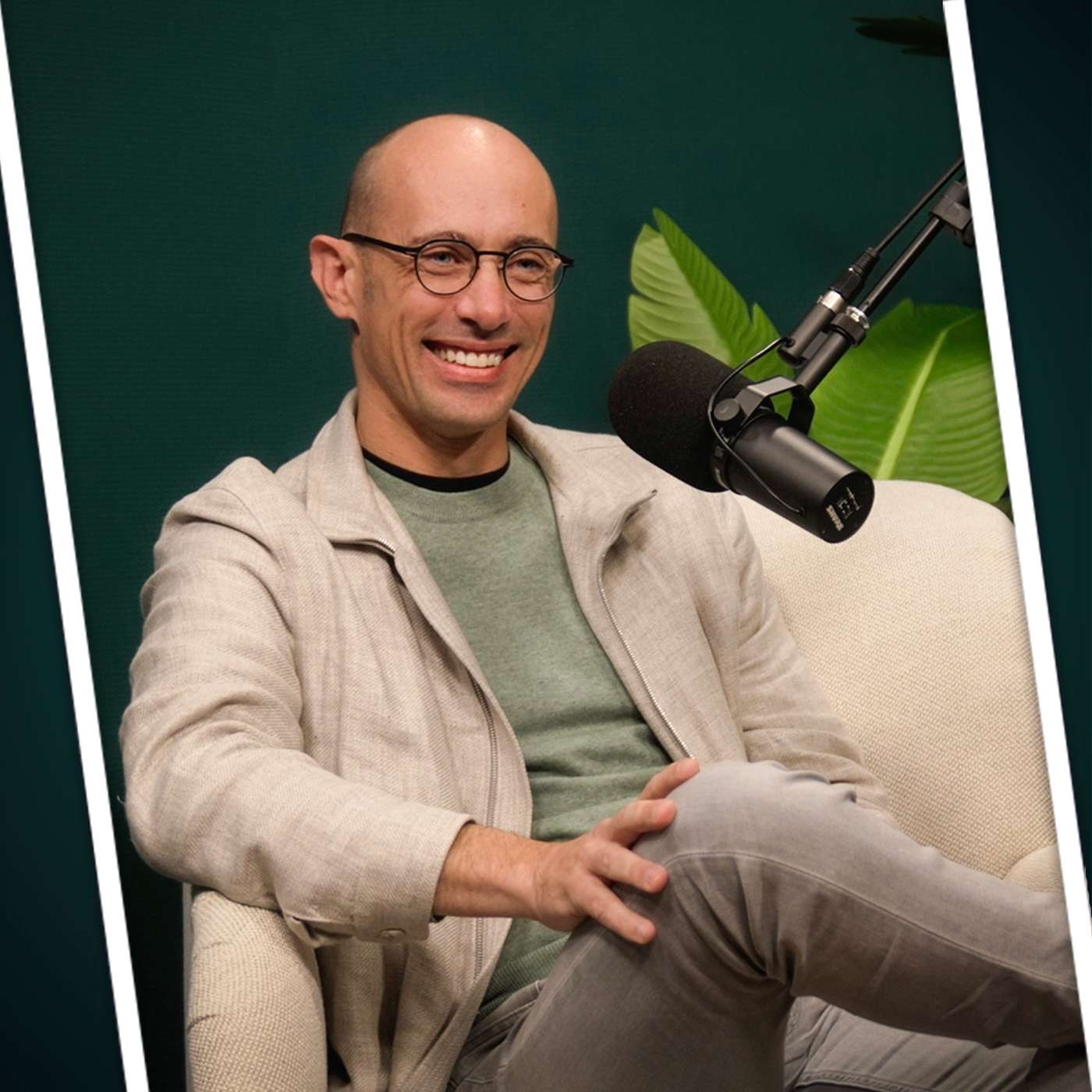
Spotify's Daniel Ek argues against the myth of a single founder archetype. Instead of imitating famous entrepreneurs like Steve Jobs, founders should focus on self-discovery to build a company that is a natural extension of their unique personality and leadership style.

Effective leadership in a fast-moving space requires abandoning the traditional org chart. The CEO must engage directly with those closest to the work—engineers writing code and salespeople talking to customers—to access unfiltered "ground truth" and make better decisions, a lesson learned from Elon Musk's hands-on approach.

Huang eschews traditional hierarchy, engaging directly with employees at all levels and delivering feedback publicly. This "parallel processing" management style ensures rapid, simultaneous learning across the organization, mirroring the architecture of the GPUs his company builds and creating a uniquely flat structure for a company of its size.

To identify non-consensus ideas, analyze the founder's motivation. A founder with a deep, personal reason for starting their company is more likely on a unique path. Conversely, founders who "whiteboarded" their way to an idea are often chasing mimetic, competitive trends.

Jensen Huang maintains an extremely flat organization with around 60 direct reports and no one-on-one meetings. This unconventional structure is designed to accelerate information travel, empower senior leaders, and weed out those who can't operate without direct guidance.
