Get your free personalized podcast brief
We scan new podcasts and send you the top 5 insights daily.
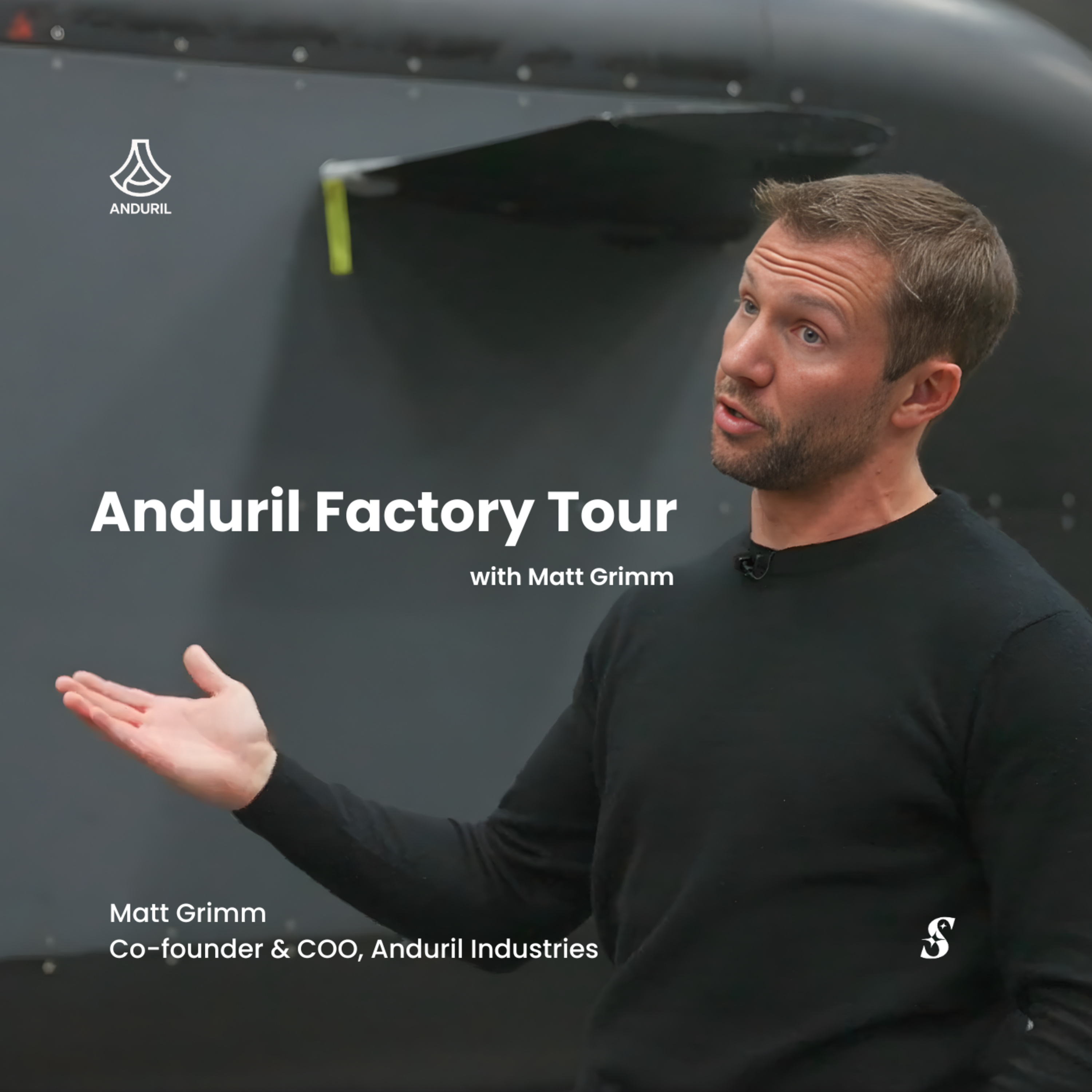
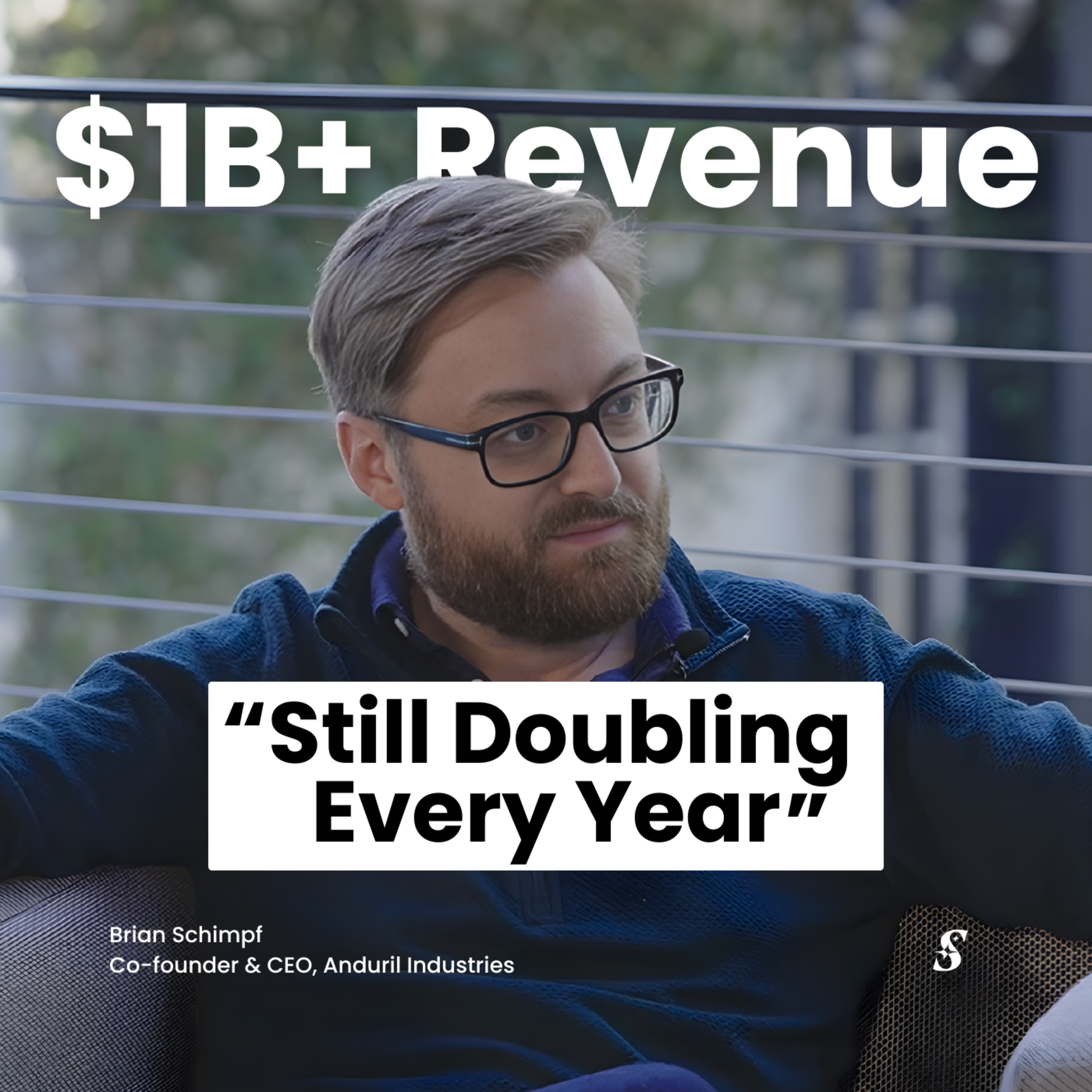
As Anduril scaled, its founders specialized. Palmer Luckey drives product innovation. CEO Brian Schimpf is the strategic 'genius' who sees the global chessboard. Trey Stephens handles investor relations and brand marketing. Matt Grimm acts as COO, the 'chief janitor' managing the complex operational guts of the company.
Related Insights
Engineering leadership involves four distinct skills: Technical, Operations, Product, and Strategy. Since no single person excels at all four, organizations should build complementary leadership teams, pairing a visionary CTO with a process-driven VP of Engineering.

After achieving repeatability, the founder/CEO has a 'second job.' They must stop building and selling the product themselves and start building the company that does it for them. This means shifting from being the PM of the product to becoming the PM of the company.

Contrary to conventional wisdom about delegation, the best management style for a small business founder is to be "all over fucking everything all the time." This means maintaining granular involvement in every aspect of the company—from client happiness to legal spending—to relentlessly drive daily improvements and maintain operational control.
The ideal founder archetype starts with deep technical expertise and product sense. They then develop exceptional business and commercial acumen over time, a rarer and more powerful combination than a non-technical founder learning the product.
![David George - Building a16z Growth, Investing Across the AI Stack, and Why Markets Misprice Growth - [Invest Like the Best, EP.450] thumbnail](https://megaphone.imgix.net/podcasts/8da7dbd8-ceeb-11f0-941c-ef83bcdd4c9f/image/d44107bc94719f78fbe91befb141073e.jpg?ixlib=rails-4.3.1&max-w=3000&max-h=3000&fit=crop&auto=format,compress)
To scale his company Exit Five, the founder (the "Visionary") promoted his COO to CEO (the "Integrator"). This structure, from the book *Traction*, allows the creator to focus on ideas and content while the operator runs the business, manages the team, and implements processes.

As companies grow from 30 to 200 people, they naturally become slower. A CEO's critical role is to rebuild the company's operating model, deliberately balancing bottom-up culture with top-down strategic planning to regain speed and ensure everyone is aligned.

The company's leadership philosophy, borrowed from Palantir, is to hire highly opinionated and sometimes difficult talent. While this feels chaotic, these individuals are essential for innovation and adaptation, unlike talent that merely optimizes existing, stable systems.
A founder's role is constantly changing—from individual contributor to manager to culture builder. Success requires being self-aware enough to recognize you're always in a new, unfamiliar role you're not yet good at. Sticking to the old job you mastered is a primary cause of failure to scale.

Optimal product leadership structures separate the long-term, visionary role from the tactical, execution role. One person focuses on the big picture and selling the future ("the house"), while the other translates that chaos into immediate, actionable work ("fixing the walls").
The founder hired an experienced CEO and then rotated through leadership roles in different departments (brand, product, tech). This created a self-designed, high-stakes apprenticeship, allowing him to learn every facet of the business from experts before confidently retaking the CEO role.
