Get your free personalized podcast brief
We scan new podcasts and send you the top 5 insights daily.
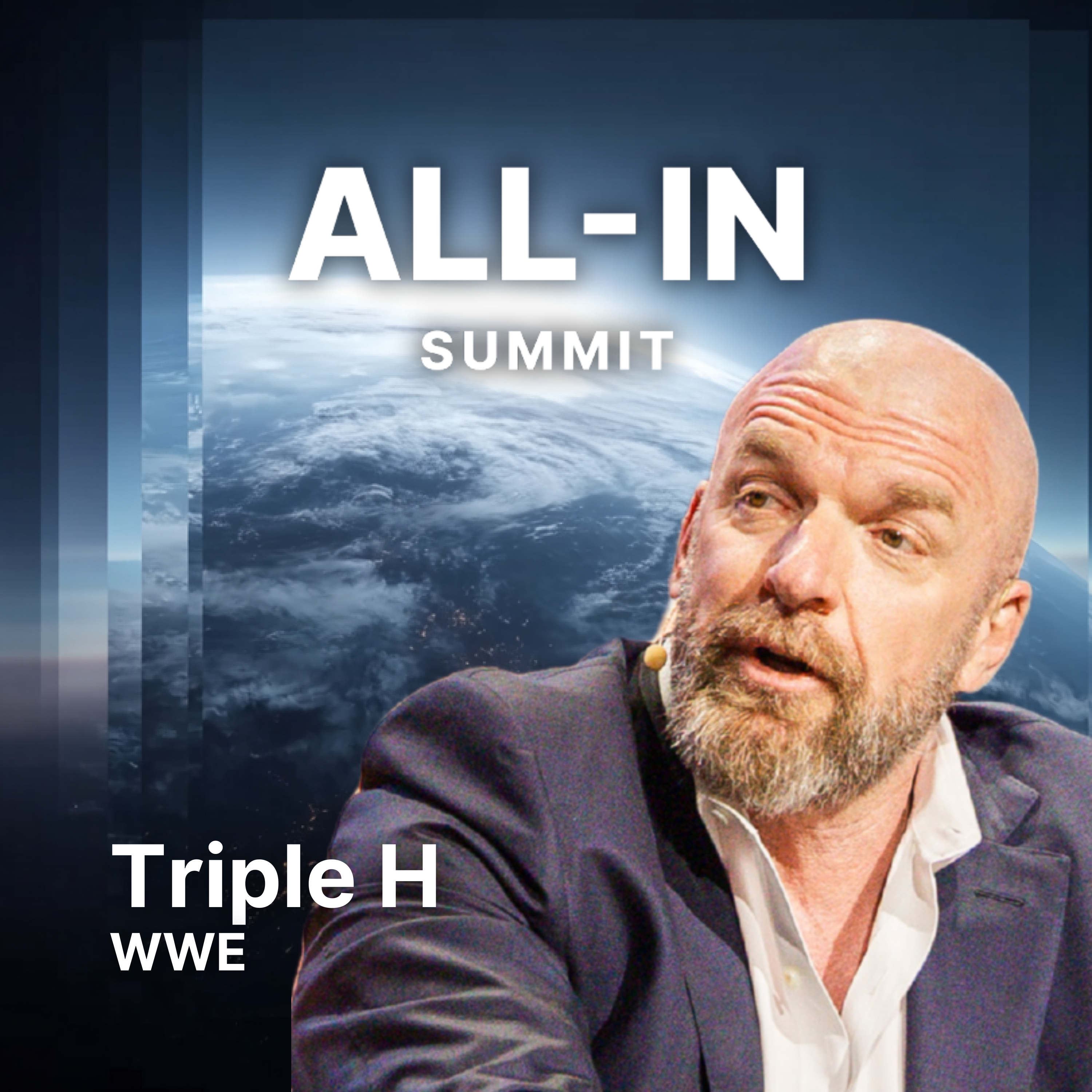
Paul Levesque claims WWE develops skills suited for any profession by focusing on charisma—the innate ability to connect with people. This skill, honed through performance and media training, is seen as more critical for long-term success in business or politics than specific technical abilities.
Related Insights
Companies often default to using senior executives as spokespeople, assuming title equals authority. However, audience engagement is driven by delivery and personality, not job title. Prioritize employees who are naturally compelling speakers—even if junior—to create more effective content like webinars and podcasts.

Alpine's hiring philosophy for leaders downplays resume experience, instead focusing on core attributes like grit, humility, and emotional intelligence. They believe these traits are better predictors of success and that specific business skills can be trained on top of this strong foundation.

In an internet-savvy era, WWE's creative strategy involves blending a performer's true personality with their on-screen persona. This blurs the fourth wall, making audiences question what's real versus fantasy, which Paul Levesque says is when the product becomes 'magical' and most engaging.
WWE's live events thrive by attracting multi-generational family groups. Paul Levesque believes this shared experience, where different generations bond over stars past and present, is a powerful driver of success in a post-COVID world that increasingly values experiences over material possessions.
Some leaders are powerful in a small room but appear wooden on camera. The ability to project charisma through a lens is a separate skill from in-person magnetism. This "television charisma" is becoming increasingly crucial for political viability, and the two are not interchangeable.

The nature of marketing has shifted from promoting a faceless corporation to showcasing an authentic founder personality. Companies without an interesting character at the helm are at a disadvantage. This requires leaders to be public figures, as their personal brand, story, and voice are now integral to the company's identity and success.

Paul Levesque's creative philosophy is that modern audiences reject one-dimensional bad guys. The most effective antagonists are those who genuinely believe their actions are right, creating a nuanced conflict that reflects the real world's moral ambiguity and resonates more deeply with viewers.
There are no universal leadership traits; successful leaders can be introverts, extroverts, planners, or chaotic. What they share is the ability to make others feel that following them will lead to a better tomorrow. This emotional response is what creates followers, not a specific checklist of skills.

Drawing parallels between wrestling and politics, Paul Levesque asserts that voters ultimately choose presidential candidates based on charisma and personal connection, not policy details. He cites figures like Donald Trump as examples of personalities whose ability to command an audience is their primary asset.
Marketing platforms and tools are transient, but a deep understanding of human psychology and behavior is a timeless, foundational skill. Aspiring leaders are advised to focus on becoming "fluent in people," as this will allow them to adapt to any technological shift.
