Get your free personalized podcast brief
We scan new podcasts and send you the top 5 insights daily.
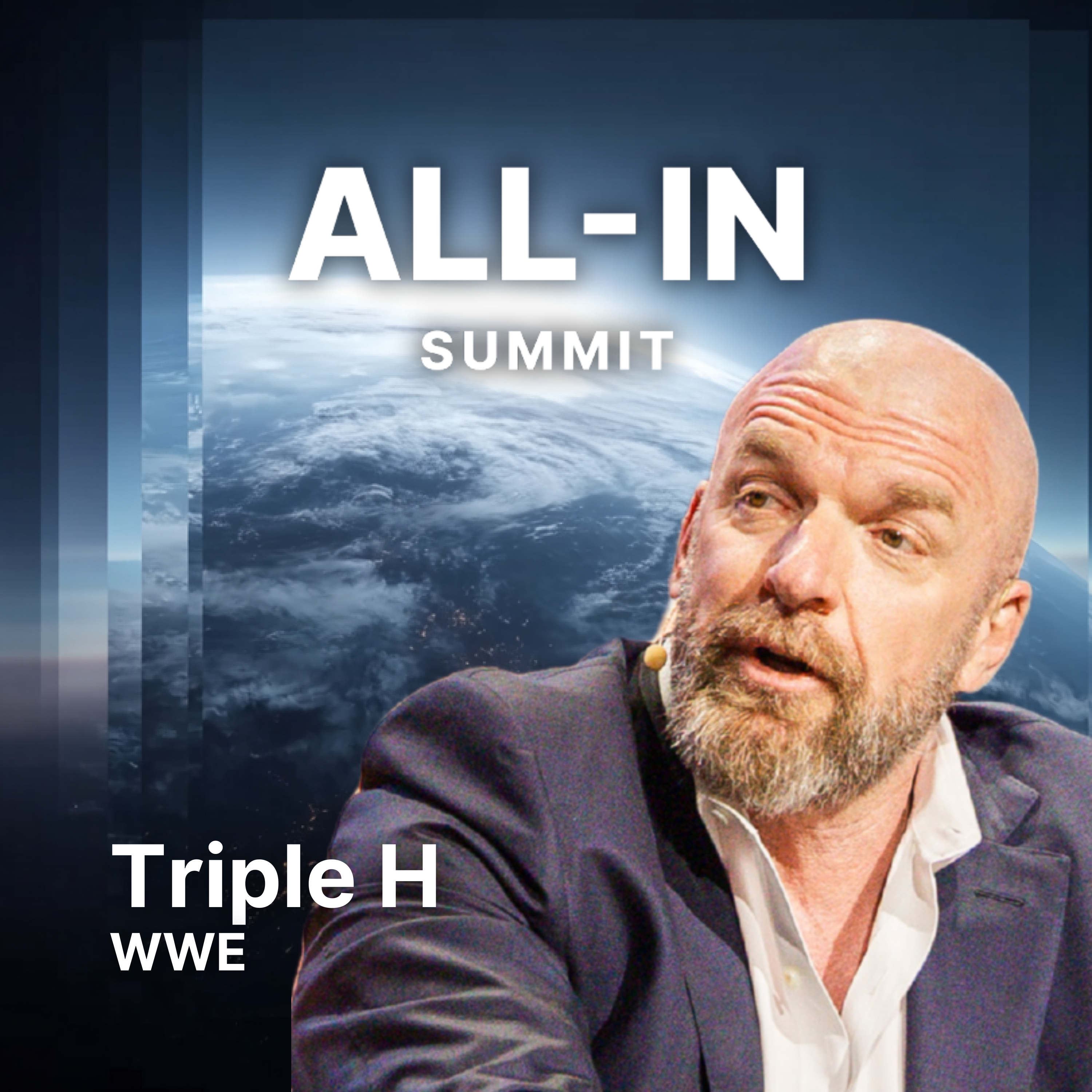
Paul Levesque's creative philosophy is that modern audiences reject one-dimensional bad guys. The most effective antagonists are those who genuinely believe their actions are right, creating a nuanced conflict that reflects the real world's moral ambiguity and resonates more deeply with viewers.
Related Insights
To stand out from infinite content, communications must be attached to a human figure, delivered with absolute conviction, and framed within a larger narrative arc. These elements appeal to human psychology, giving audiences a character to root for and a story to follow, which generic content cannot replicate.

Rivalries like Uber vs. Lyft or Coke vs. Pepsi aren't just competition; they create a mutually beneficial narrative. The Grinch's popularity as an antihero reinforces the value of heroic Christmas figures. Consumers embrace the villain, which in turn strengthens both brands.
Violent acts are not random; they often represent the logical conclusion within a person's specific frame of reference. If an ideology convinces someone they are fighting a Hitler-like evil, then assassination becomes a moral duty, not a crime. The danger lies in these justifying belief systems.

In an internet-savvy era, WWE's creative strategy involves blending a performer's true personality with their on-screen persona. This blurs the fourth wall, making audiences question what's real versus fantasy, which Paul Levesque says is when the product becomes 'magical' and most engaging.
Paul Levesque claims WWE develops skills suited for any profession by focusing on charisma—the innate ability to connect with people. This skill, honed through performance and media training, is seen as more critical for long-term success in business or politics than specific technical abilities.
A story's core mechanic for engagement is not just emotion, but the constant betrayal of the audience's expectations. People are drawn to narratives, jokes, and songs precisely because they want their predictions about what happens next to be wrong. This element of surprise is what makes a story satisfying and compels an audience to continue.

Rockefeller didn't see himself as a ruthless monopolist but as a righteous 'up-builder' bringing order to a chaotic industry. He believed competition was destructive and that his consolidation was a force for progress and service. This moral conviction allowed him to pursue his audacious goals with unwavering and unapologetic resolve.
Drawing parallels between wrestling and politics, Paul Levesque asserts that voters ultimately choose presidential candidates based on charisma and personal connection, not policy details. He cites figures like Donald Trump as examples of personalities whose ability to command an audience is their primary asset.
WWE's Chief Creative Officer positions the company as a story-first entertainment brand, not a sports league. Creative decisions are driven by long-term character arcs and narrative potential, similar to Marvel's cinematic universe, rather than simply booking athletically compelling matches like its competitor, MMA.
Every compelling story needs conflict, which requires an enemy. Companies can define their enemy in one of three ways: direct competitors (e.g., other vodkas), competing approaches (e.g., cycling vs. the tube), or beliefs you stand against (e.g., humans are terrible drivers). This ABC framework (Approaches, Beliefs, Competitors) simplifies narrative creation.
