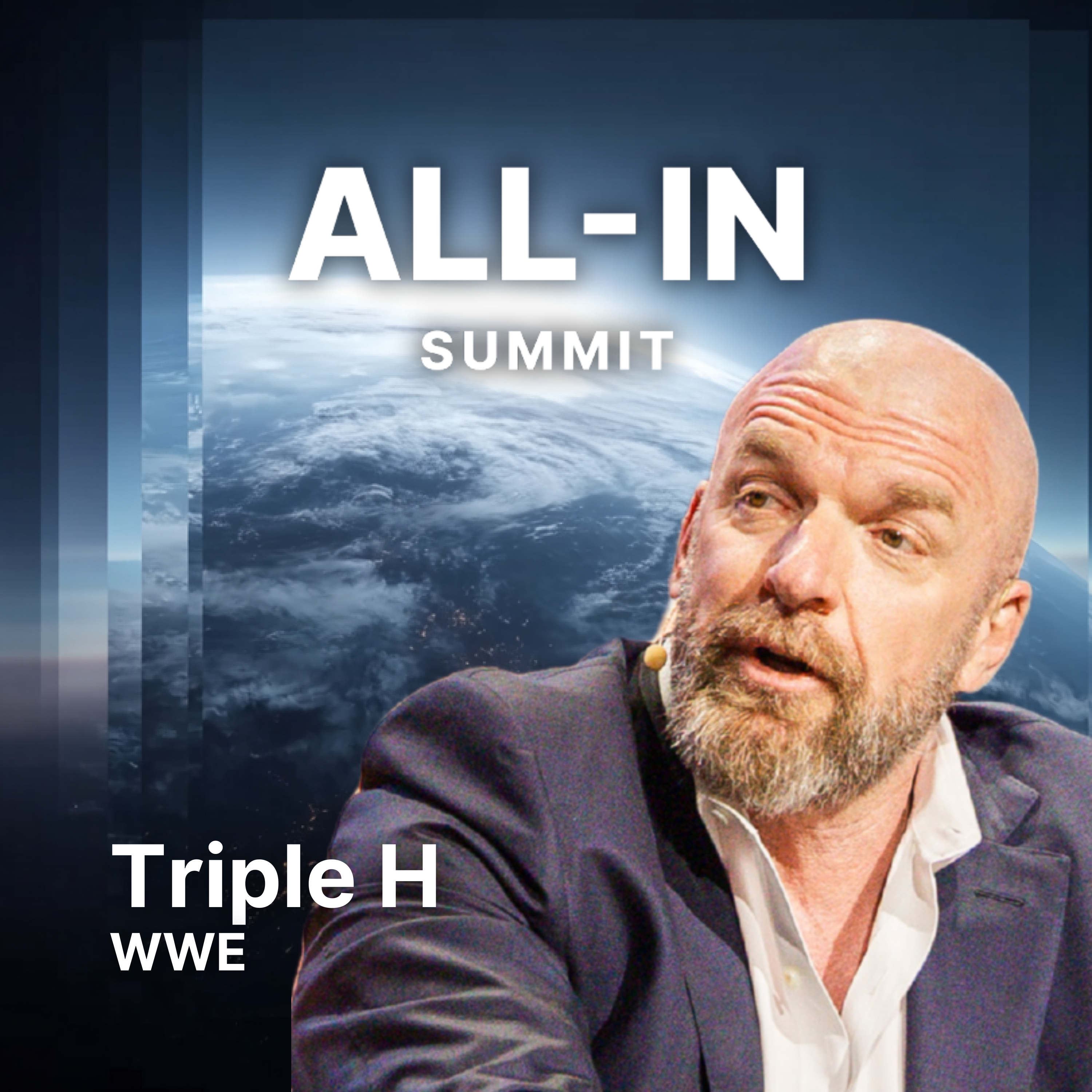
WWE's Chief Creative Officer positions the company as a story-first entertainment brand, not a sports league. Creative decisions are driven by long-term character arcs and narrative potential, similar to Marvel's cinematic universe, rather than simply booking athletically compelling matches like its competitor, MMA.
Paul Levesque's creative philosophy is that modern audiences reject one-dimensional bad guys. The most effective antagonists are those who genuinely believe their actions are right, creating a nuanced conflict that reflects the real world's moral ambiguity and resonates more deeply with viewers.
In an internet-savvy era, WWE's creative strategy involves blending a performer's true personality with their on-screen persona. This blurs the fourth wall, making audiences question what's real versus fantasy, which Paul Levesque says is when the product becomes 'magical' and most engaging.
WWE's live events thrive by attracting multi-generational family groups. Paul Levesque believes this shared experience, where different generations bond over stars past and present, is a powerful driver of success in a post-COVID world that increasingly values experiences over material possessions.
Paul Levesque claims WWE develops skills suited for any profession by focusing on charisma—the innate ability to connect with people. This skill, honed through performance and media training, is seen as more critical for long-term success in business or politics than specific technical abilities.
Drawing parallels between wrestling and politics, Paul Levesque asserts that voters ultimately choose presidential candidates based on charisma and personal connection, not policy details. He cites figures like Donald Trump as examples of personalities whose ability to command an audience is their primary asset.