Get your free personalized podcast brief
We scan new podcasts and send you the top 5 insights daily.
Some leaders are powerful in a small room but appear wooden on camera. The ability to project charisma through a lens is a separate skill from in-person magnetism. This "television charisma" is becoming increasingly crucial for political viability, and the two are not interchangeable.
Related Insights
Effective politicians operate less as policy experts and more as skilled entertainers. They adopt a specific 'genre'—like different styles of rap—to emotionally move their audience. This allows them to build a strong following and obfuscate a lack of concrete, cause-and-effect policy planning, focusing on feeling over function.
Described as a "tractor beam" similar to Bill Clinton's magnetism, Oprah's technique involves physical touch and focused attention that makes individuals feel uniquely liked. This triggers a reciprocal feeling, creating an immediate and powerful connection, demonstrating that the fastest way to be liked is to like others first.

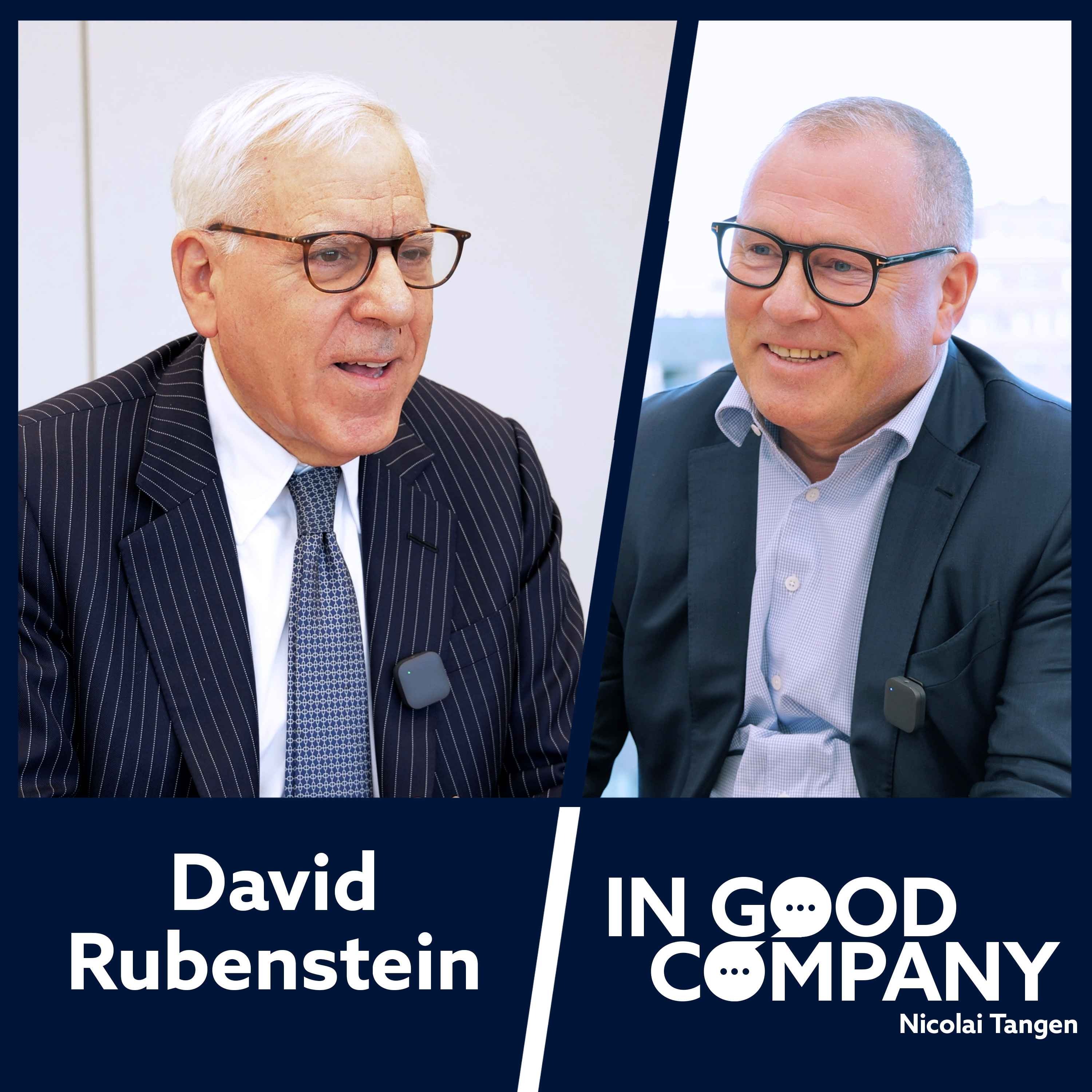
Despite building one of the world's largest private equity firms over 40 years, David Rubenstein finds he is now more recognized for his TV interviews. This reveals that in the modern era, a strong media presence can create a more powerful and widespread personal brand than a long and distinguished traditional business career.
Mark Zuckerberg's evolution from a highly media-trained, scripted persona to an authentic public figure shows that the old playbook of message control is dead. The market now rewards leaders who are transparent and genuine ("this is me, deal with it"), even if they are less polished. Synthetically generated authenticity is easily spotted and rejected.

Effective leadership isn't about one fixed style. It’s about accurately reading a situation and adapting your approach—whether to be directive, empathetic, or demanding. Great leaders know that leading senior executives requires a different approach than managing new graduates.

The "authenticity" that makes video performers successful is a constructed performance of understanding an unseen audience while staring into a camera. It's a specific, under-theorized skill of transmission, not a reflection of one's true self, making the term "authentic" a misnomer for a calculated craft.
The nature of marketing has shifted from promoting a faceless corporation to showcasing an authentic founder personality. Companies without an interesting character at the helm are at a disadvantage. This requires leaders to be public figures, as their personal brand, story, and voice are now integral to the company's identity and success.
There are no universal leadership traits; successful leaders can be introverts, extroverts, planners, or chaotic. What they share is the ability to make others feel that following them will lead to a better tomorrow. This emotional response is what creates followers, not a specific checklist of skills.

Communication extends far beyond words. How you carry yourself—your posture, demeanor, and overall presence—is a constant broadcast that communicates your value and influence. Citing WNBA icon Lisa Leslie, Chiney Ogwumike argues this "physical communication" is as critical to one's professional brand as their spoken words.
The success of figures like Trump and Mamdani shows a political shift where personality trumps policy. Voters are drawn to authentic, entertainer-like candidates who connect on a human level, making traditional, unrelatable politicians obsolete.
