Get your free personalized podcast brief
We scan new podcasts and send you the top 5 insights daily.
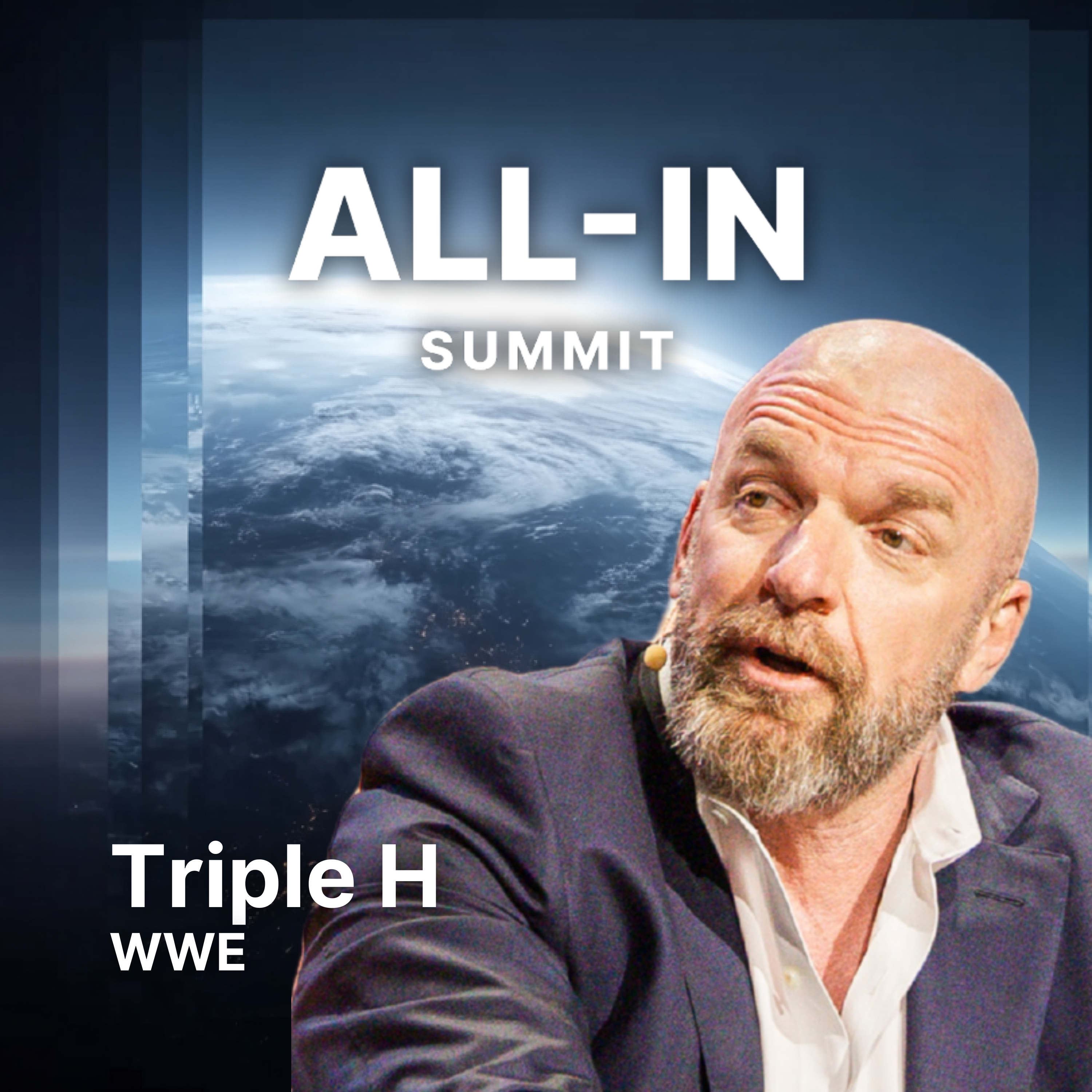
WWE's live events thrive by attracting multi-generational family groups. Paul Levesque believes this shared experience, where different generations bond over stars past and present, is a powerful driver of success in a post-COVID world that increasingly values experiences over material possessions.
Related Insights
As AI drives the marginal cost of digital content to zero, unique, in-person events become increasingly valuable. This is a strategic bet on the enduring human need for social connection and status, which cannot be digitally replicated. Value shifts from the digital to the physical.
![Ari Emanuel - The Anti-AI Bet - [Invest Like the Best, EP.448] thumbnail](https://megaphone.imgix.net/podcasts/c5910280-c4dd-11f0-94be-ab6a7a5865b0/image/1e5a2263eb62fcde200846919e24419a.jpg?ixlib=rails-4.3.1&max-w=3000&max-h=3000&fit=crop&auto=format,compress)
The trend of multi-generational travel is driven by grandparents paying for the entire family. This represents a shift from posthumous wealth transfer (stocks, real estate) to shared experiential gifts, allowing them to create memories with family while they are still alive.
The current boom in rock and metal touring isn't just nostalgia. It's fueled by a generation that, now with disposable income, can finally see the bands they loved as teenagers. This creates a multi-generational "family affair" and an experience-driven demand that slick pop shows can't replicate, emphasizing visceral engagement like mosh pits over polished production.

In an internet-savvy era, WWE's creative strategy involves blending a performer's true personality with their on-screen persona. This blurs the fourth wall, making audiences question what's real versus fantasy, which Paul Levesque says is when the product becomes 'magical' and most engaging.
Paul Levesque claims WWE develops skills suited for any profession by focusing on charisma—the innate ability to connect with people. This skill, honed through performance and media training, is seen as more critical for long-term success in business or politics than specific technical abilities.
The highest end of live event monetization isn't selling access, but selling status. By creating tiered, exclusive experiences (e.g., meeting an athlete, on-field access), you tap into a demand curve for social proof that is practically unlimited. People will pay 'crazy' amounts for the shareable video moment.
WWE's Chief Creative Officer positions the company as a story-first entertainment brand, not a sports league. Creative decisions are driven by long-term character arcs and narrative potential, similar to Marvel's cinematic universe, rather than simply booking athletically compelling matches like its competitor, MMA.
In-person events create a powerful, hard-to-replicate competitive moat. While rivals can easily copy your digital products or content with AI, they cannot replicate the unique community, experience, and brand loyalty fostered by well-executed IRL gatherings.

By creating entertaining content that unites families, Dude Perfect has built immense trust with parents. This trust translates directly into financial success through tours and merchandise, demonstrating that values-aligned media can outperform 'edgy' content by serving a massive, underserved market.

People are actively seeking real-world experiences beyond home and work, leading to a boom in specialized "third spaces." This trend moves past simple bars to curated venues like wellness clubs, modern arcades, and family social houses, catering to a deep desire for physical community.
