Get your free personalized podcast brief
We scan new podcasts and send you the top 5 insights daily.
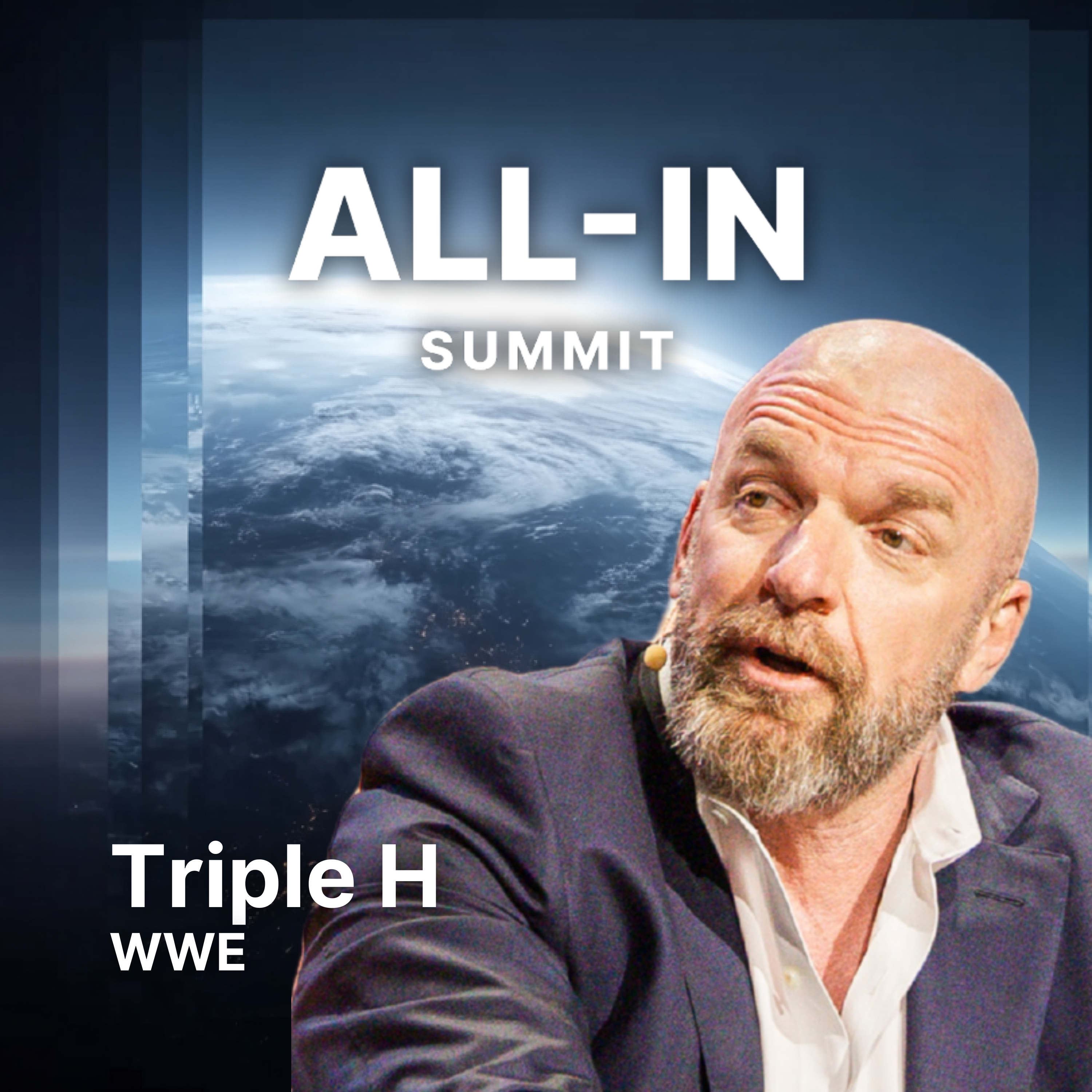
In an internet-savvy era, WWE's creative strategy involves blending a performer's true personality with their on-screen persona. This blurs the fourth wall, making audiences question what's real versus fantasy, which Paul Levesque says is when the product becomes 'magical' and most engaging.
Related Insights
Unlike product marketing, sports marketing cannot control the core product’s performance (wins/losses). The primary job is to build deep, personal connections between fans and athletes. This creates emotional "insulation" where fan loyalty is tied to the people and the brand, not just unpredictable on-court results.

The line between irony and sincerity online has dissolved, creating a culture of "kayfabe"—maintaining a fictional persona. It's difficult to tell if polarizing figures are genuine or playing a character, and their audience often engages without caring about the distinction, prioritizing the meta-narrative over reality.

WWE's live events thrive by attracting multi-generational family groups. Paul Levesque believes this shared experience, where different generations bond over stars past and present, is a powerful driver of success in a post-COVID world that increasingly values experiences over material possessions.
Paul Levesque claims WWE develops skills suited for any profession by focusing on charisma—the innate ability to connect with people. This skill, honed through performance and media training, is seen as more critical for long-term success in business or politics than specific technical abilities.
The "authenticity" that makes video performers successful is a constructed performance of understanding an unseen audience while staring into a camera. It's a specific, under-theorized skill of transmission, not a reflection of one's true self, making the term "authentic" a misnomer for a calculated craft.
Paul Levesque's creative philosophy is that modern audiences reject one-dimensional bad guys. The most effective antagonists are those who genuinely believe their actions are right, creating a nuanced conflict that reflects the real world's moral ambiguity and resonates more deeply with viewers.
A story's core mechanic for engagement is not just emotion, but the constant betrayal of the audience's expectations. People are drawn to narratives, jokes, and songs precisely because they want their predictions about what happens next to be wrong. This element of surprise is what makes a story satisfying and compels an audience to continue.
Drawing parallels between wrestling and politics, Paul Levesque asserts that voters ultimately choose presidential candidates based on charisma and personal connection, not policy details. He cites figures like Donald Trump as examples of personalities whose ability to command an audience is their primary asset.
As audiences push back against AI-generated and overly polished stock imagery, featuring real people in authentic situations will be critical for engagement. Showcasing your team, customers, or volunteers in natural settings—not on a green screen—builds trust and connection, making genuine humanity the key to cutting through the noise.

WWE's Chief Creative Officer positions the company as a story-first entertainment brand, not a sports league. Creative decisions are driven by long-term character arcs and narrative potential, similar to Marvel's cinematic universe, rather than simply booking athletically compelling matches like its competitor, MMA.